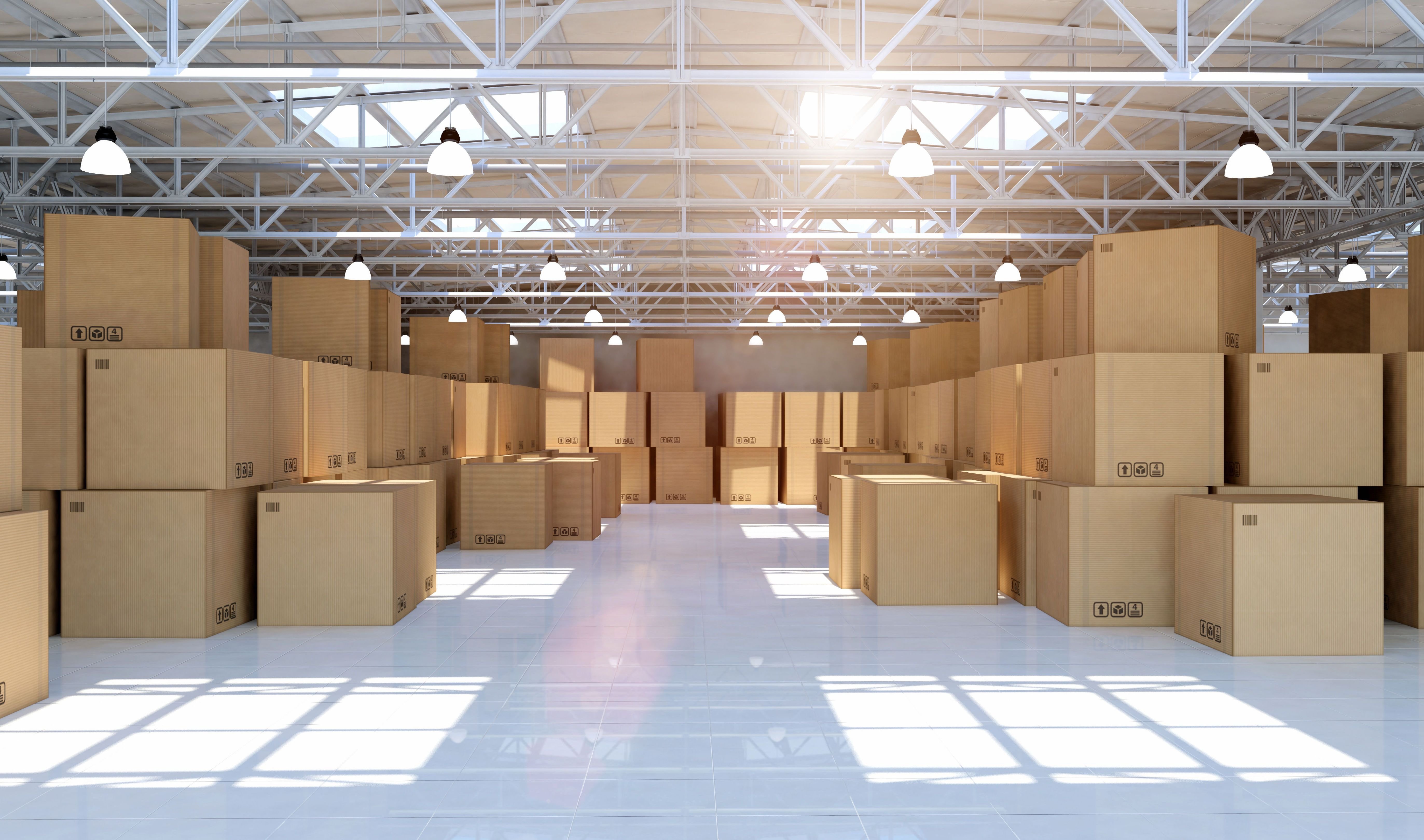
The price of packaging materials is only a small fraction of the total cost of ownership. According to Reger, a Regional Sales Manager at Jamestown Container Companies, packaging decisions trigger a chain reaction across an entire operation. Right-sized boxes, for example, do more than save on cardboard; they optimize trailer space, reduce the need for filler materials, and directly combat rising dimensional freight charges.
Protection remains a critical variable in this equation. Properly fitted packaging mitigates the risk of damage during transit, which otherwise results in costly returns, production delays, and administrative overhead. Even minor improvements in damage rates yield significant savings when scaled across high-volume shipping operations.
Beyond transit, labor and storage efficiency play pivotal roles. Designs that allow for faster assembly or simpler packing methods translate into meaningful labor savings over time, while materials engineered to nest or ship flat reclaim valuable warehouse square footage. By auditing how packaging interacts with existing workflows, organizations can move away from transactional purchasing and toward a strategy that prioritizes long-term operational performance.


Comments (0)
No comments yet. Be the first!