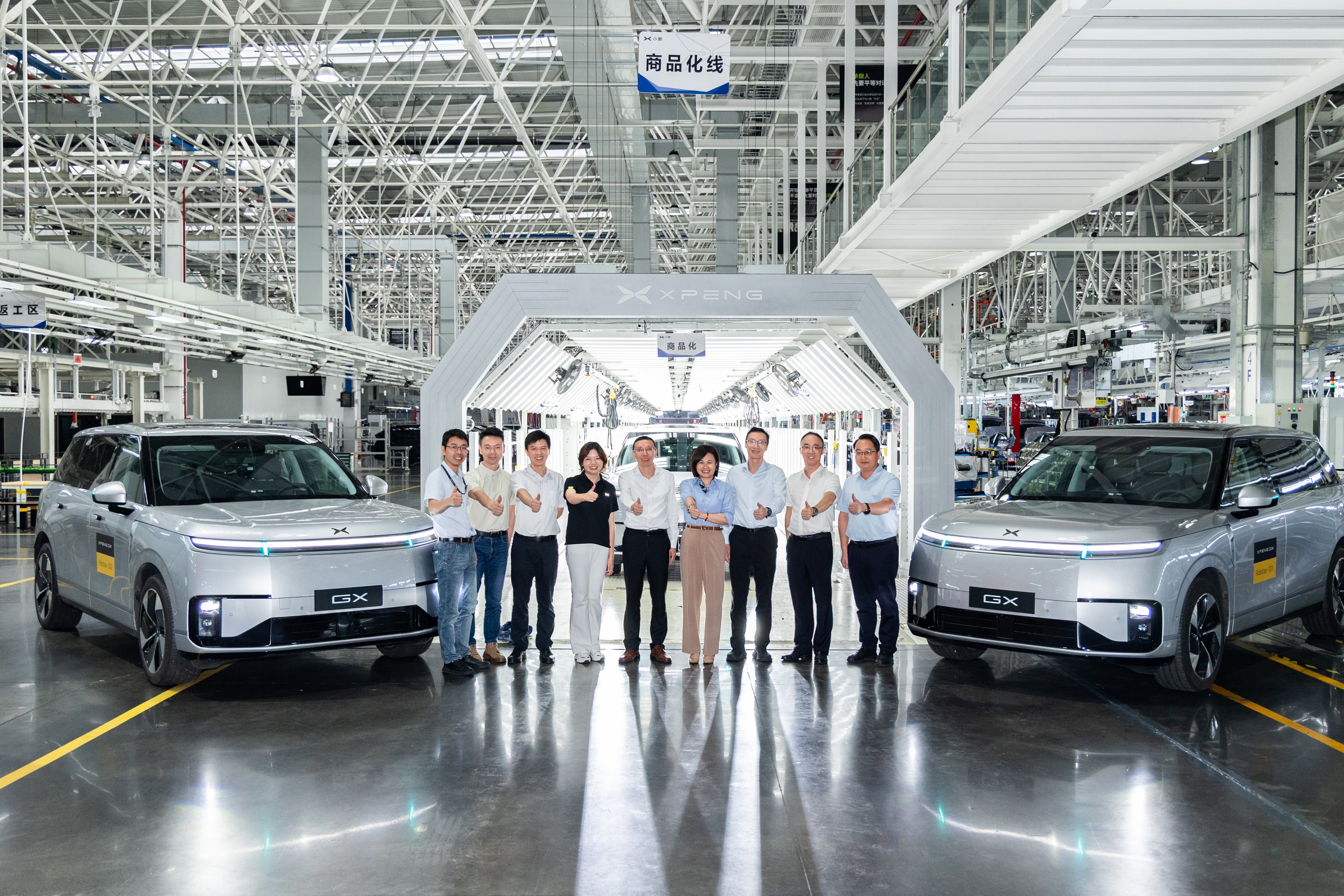
The launch follows a rapid development cycle that saw the first mass-produced units roll off the assembly line in May 2026. By August, the company secured remote testing permits in Guangzhou, allowing for operation without a safety driver. Unlike traditional L4 autonomous providers, XPENG leverages its own Turing AI chips and VLA2.0 large model to operate without reliance on HD maps or LiDAR. This technological architecture is designed for rapid deployment across diverse urban environments.
He Xiaopeng, Chairman and CEO of XPENG, defines the company's role as a technology provider and ecosystem enabler. The business model centers on selling hardware and software solutions while delegating offline fleet management to global partners. Beyond the technical performance of the 3,000 TOPS compute platform, the service emphasizes passenger comfort with features like zero-gravity massage seats and personalized cabin climate controls. This approach reflects the company’s broader 'Physical AI' strategy, aiming to integrate advanced machine learning into real-world mobility solutions.


Comments (0)
No comments yet. Be the first!