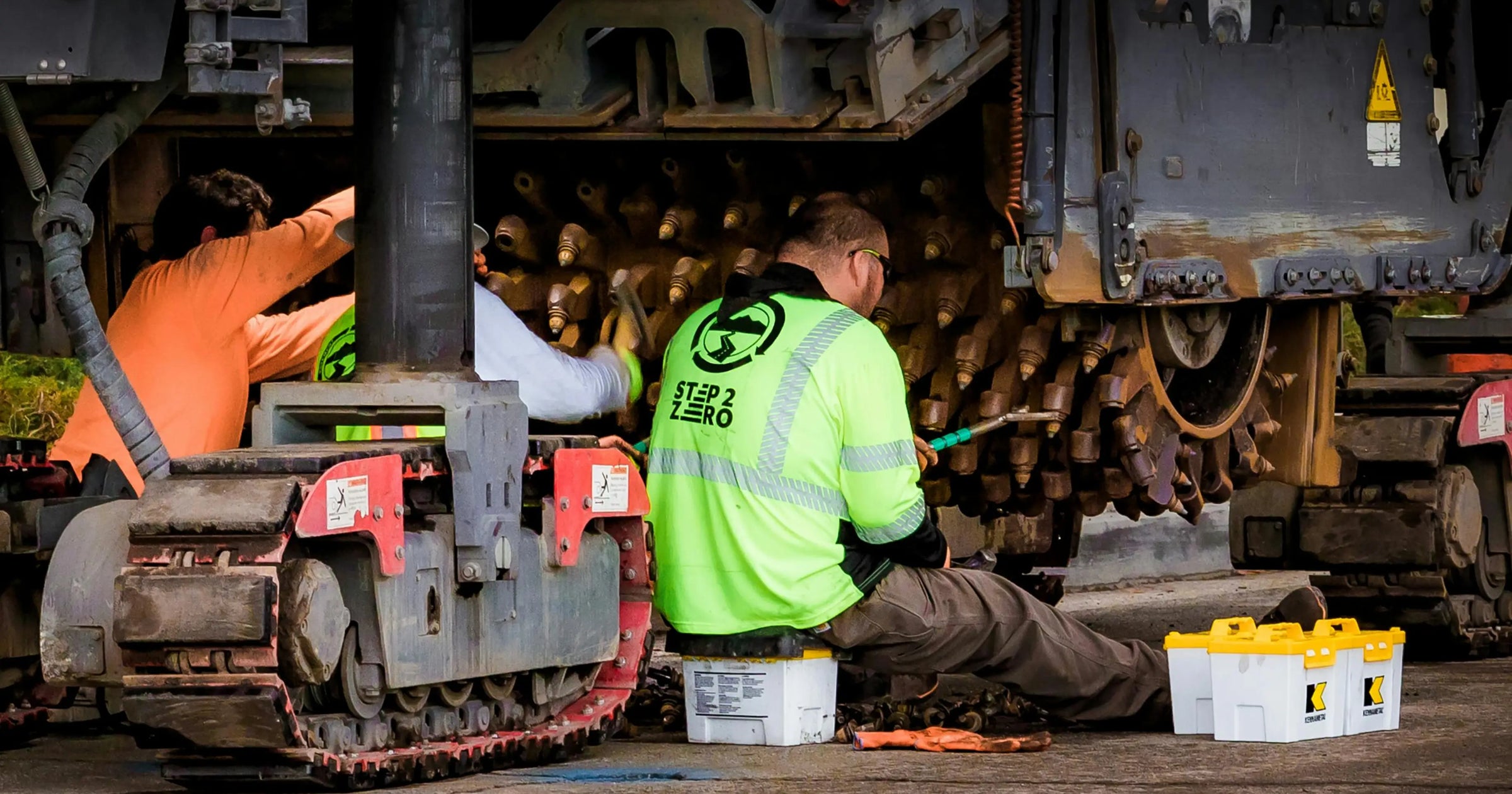
Mechanics, drivers, and field technicians remain the backbone of the energy and transportation sectors. According to Samantha White of Express Employment Professionals, these roles provide stability that often persists despite broader economic fluctuations. For mechanics, the journey usually begins with a certificate or associate degree from a technical school, followed by hands-on apprenticeships that sharpen diagnostic skills and physical stamina.
CDL drivers face a different set of requirements, primarily centered on state-mandated written exams and behind-the-wheel proficiency tests. While programs typically span several weeks, many firms now offer tuition reimbursement to lower the barrier to entry. Meanwhile, the oil and gas sector demands specialized safety certifications—covering hazard recognition and emergency response—before workers are cleared for field sites like pump stations or drilling rigs.
Career progression remains a core feature of these trades. Experienced mechanics frequently transition into shop supervision, while drivers may move into fleet management or dispatch roles. White suggests that job seekers prioritize researching specific industry requirements and connecting with local staffing partners to bridge the gap between initial training and employment.


Comments (0)
No comments yet. Be the first!