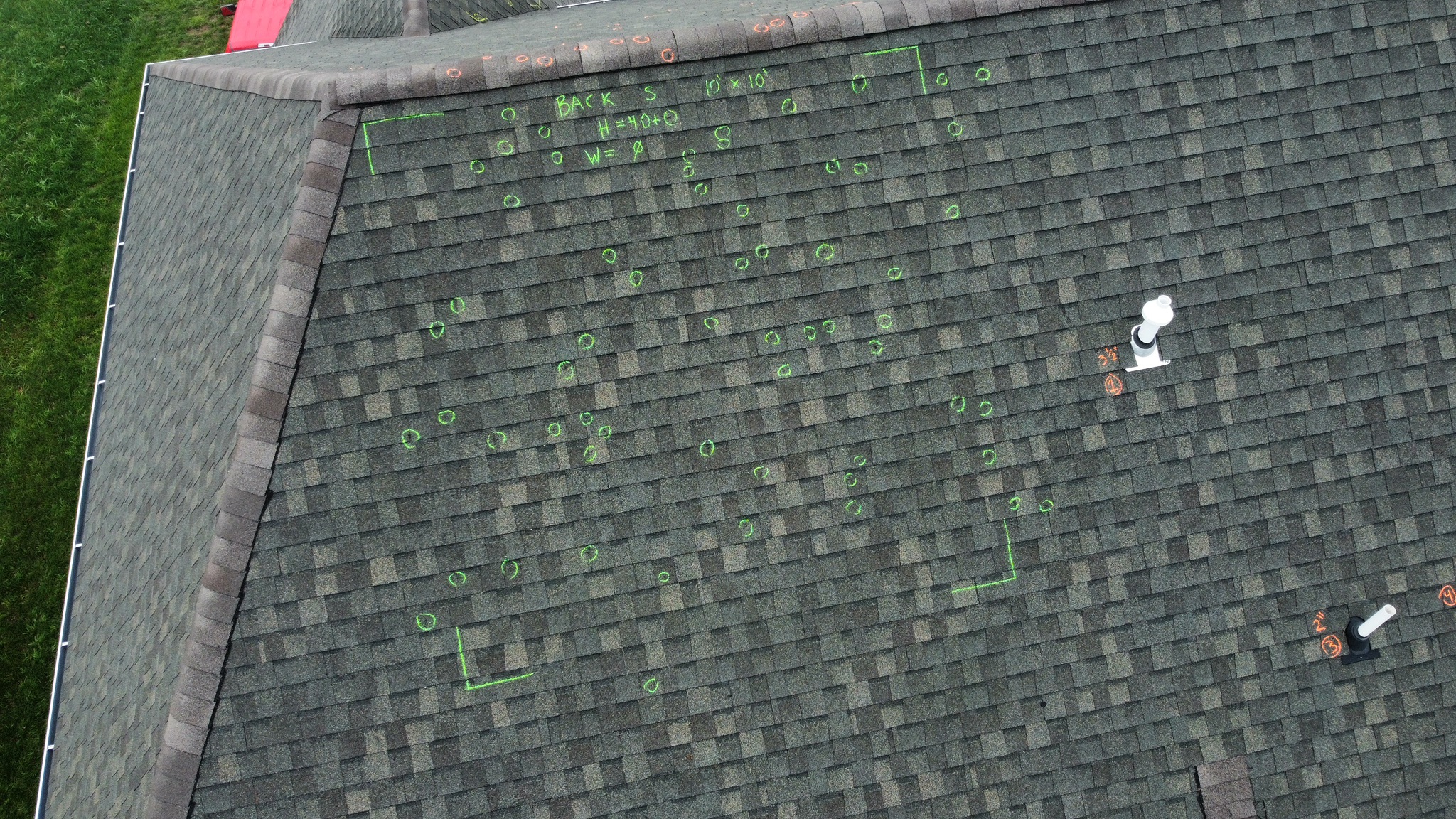
A visual inspection from a safe vantage point is the first step toward securing a property. Missing shingles often signal that wind has compromised the roof's integrity, leaving underlying materials vulnerable to water intrusion. While hail damage is frequently subtle, homeowners should examine gutters, flashing, and downspouts for dents, as these metal surfaces often serve as early warning signs of impact that may have also affected the shingles.
Damage often hides in plain sight, particularly around chimneys and wall intersections where flashing protects vulnerable seams. High winds can create gaps in these areas that are invisible from the street level. Beyond the exterior, homeowners should inspect ceilings and attics for water stains, damp insulation, or peeling paint, which frequently reveal leaks before the roof's exterior failure becomes obvious. Documenting these findings with photographs provides a necessary record for insurance discussions or repair estimates.
Because storm-damaged roofs rarely stabilize on their own, professional intervention is essential. Expert inspections identify lifted shingles, compromised seals, and moisture trapped beneath the surface. By documenting visible debris and interior changes, homeowners provide professionals with the data needed to perform targeted repairs, preventing minor storm impacts from escalating into major structural failures before the next weather event arrives.



Comments (0)
No comments yet. Be the first!