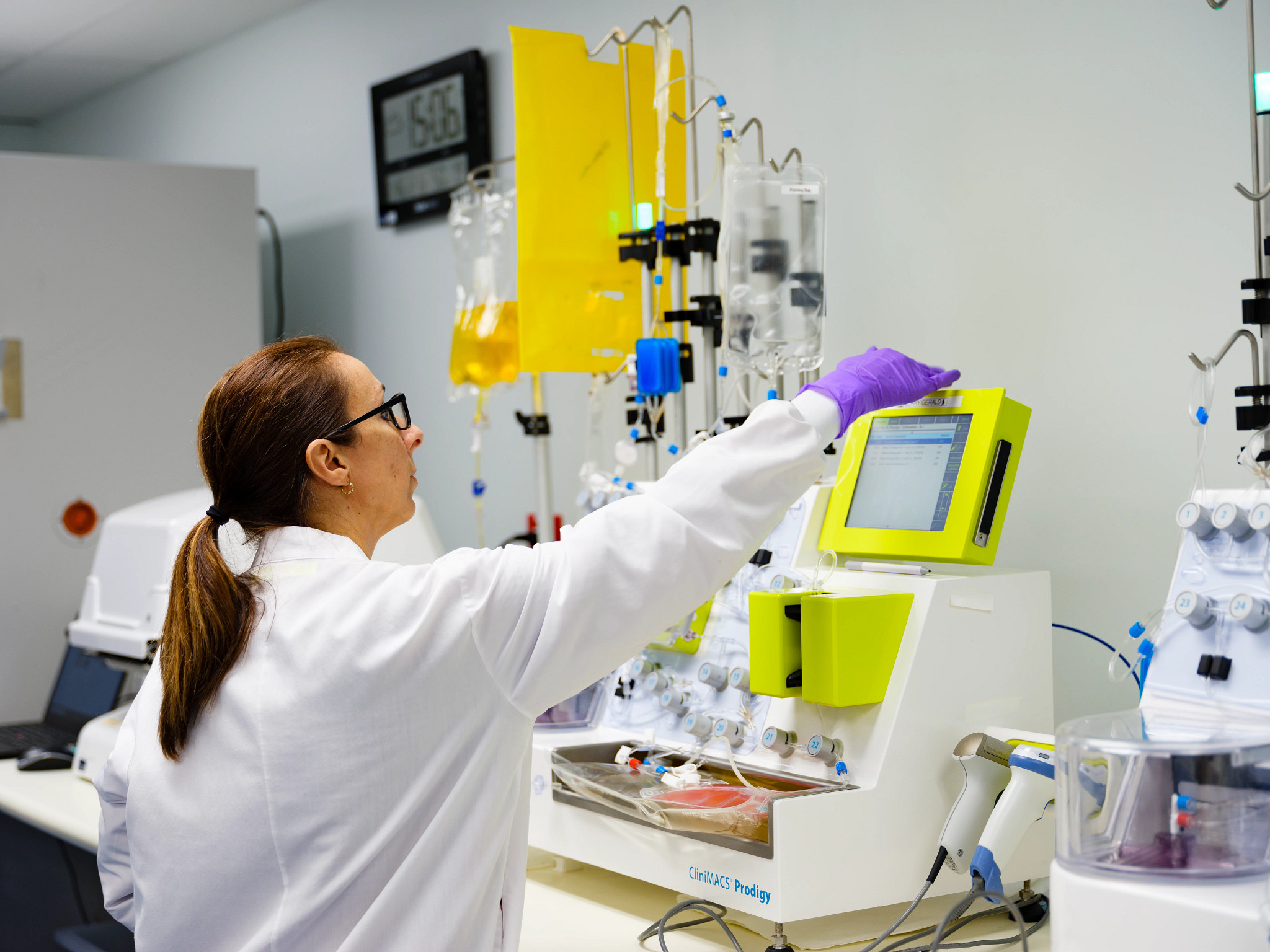
The Reversible Ambient Biostabilization (RAB) team, which includes CaseBioscience, Draper, and the University of Colorado Boulder’s Spencer Lab, is one of only three groups selected for the agency's BioStabilization Systems program. Over an initial 15-month phase that began September 24, 2026, researchers will integrate specialized physiological mechanisms and bioengineering to bypass current cold-chain logistics, which remain a significant barrier to the widespread accessibility of life-saving cell-based treatments.
For CaseBioscience, the project marks a return to foundational research in dry-state preservation. R&D Director Dr. Lynda McGinnis, who pioneered early work in desiccated storage over two decades ago, will collaborate with the team to apply these concepts to modern clinical therapies. The company will leverage its expertise in clinical media formulation and cellular metabolism to develop long-term ambient stabilization techniques. According to Chief Scientific Officer Dr. Kevin Flynn, the program provides the scientific depth necessary to pursue high-risk, high-reward solutions that have previously remained out of reach. If successful, the initiative promises to fundamentally alter the distribution of biologics, potentially reducing the high costs and logistical complexity currently associated with transporting sensitive cellular products.



Comments (0)
No comments yet. Be the first!