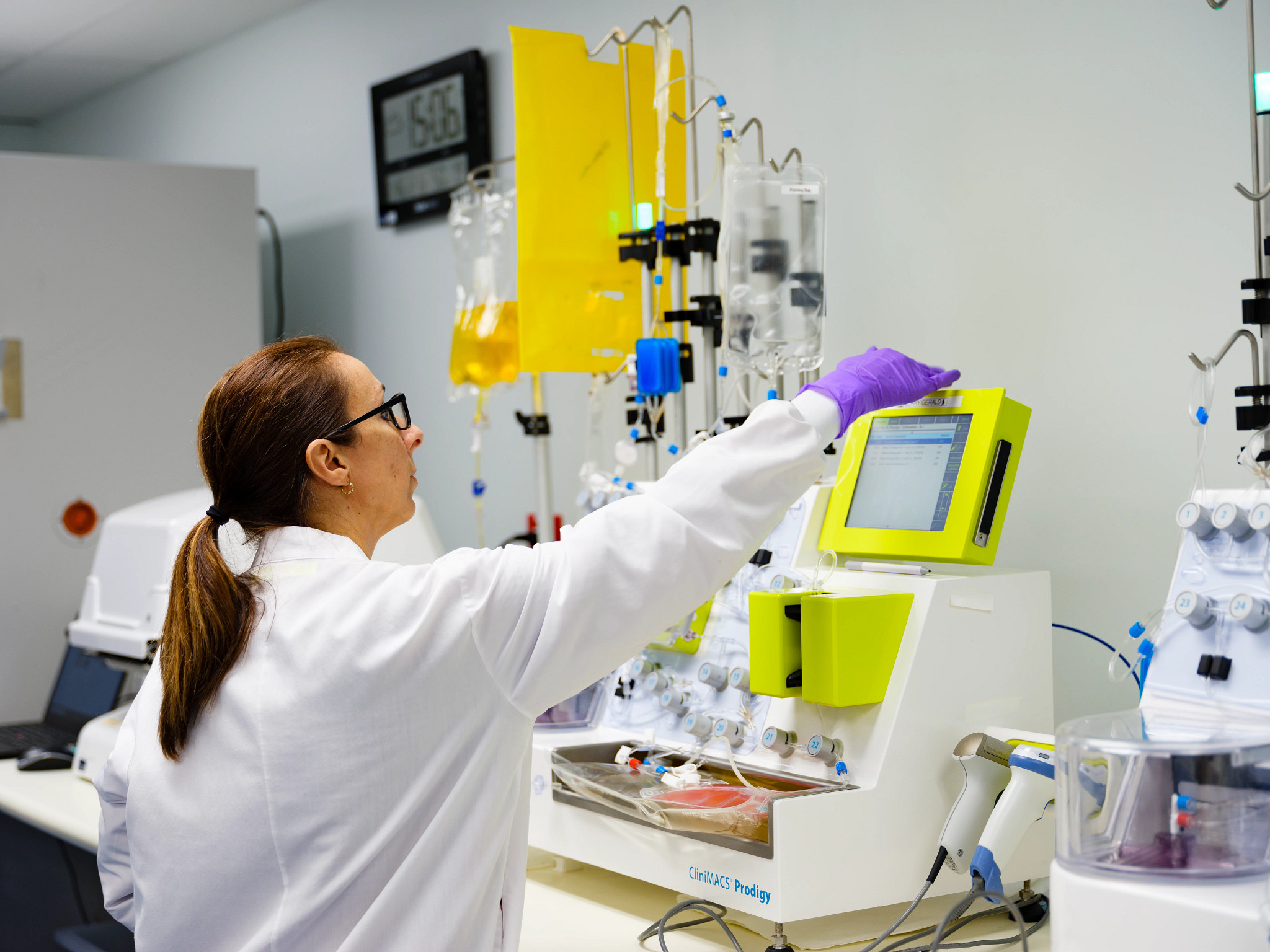
The initiative, known as the Reversible Ambient Biostabilization (RAB) project, is one of three programs selected by ARPA-H under its BioStabilization Systems mandate. For the next 15 months, the consortium—which includes CaseBioscience, Draper, CPSI Biotech, Fresenius Kabi, MiNK Therapeutics, and the University of Colorado Boulder—will focus on integrating physiological mechanisms and bioengineering to bypass current cold-chain logistics.
Cell therapies often face significant distribution barriers due to the high costs and technical requirements of maintaining strict temperature controls. By stabilizing living cells at room temperature, the team hopes to lower these barriers, potentially expanding global access to treatments for cancer and other serious conditions. For CaseBioscience, the work builds on two decades of research into cellular preservation. The company will leverage its expertise in media formulation and metabolism to help refine these storage methods, aiming to finally move beyond the limitations that have long hindered dry-state biological preservation.



Comments (0)
No comments yet. Be the first!