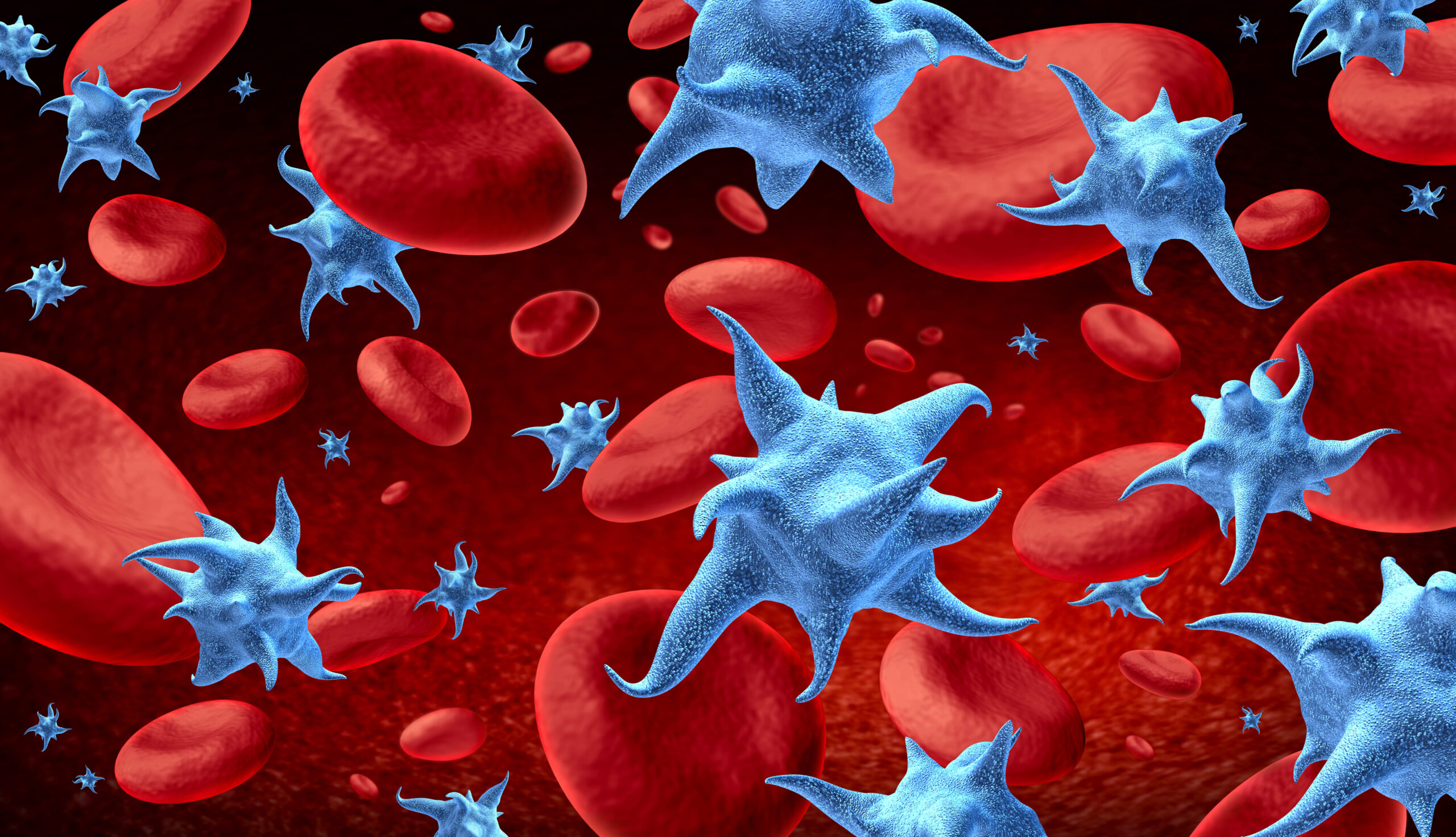
Previously, the disorder was obscured within a catch-all code for qualitative platelet defects, complicating clinical research and insurance coverage. This lack of specificity prevented health systems from accurately measuring the disease's prevalence, treatment patterns, and the real-world burden on patients who face frequent, life-threatening bleeding episodes. By isolating Glanzmann thrombasthenia in the ICD-10-CM system, providers can now secure more consistent billing and facilitate better patient identification for future studies.
The initiative, which began with a 2024 submission to the CDC’s National Center for Health Statistics, involved collaboration with the Glanzmann's Research Foundation and the CHES Foundation. Maria E. Santaella, Senior Vice President of Research Strategy at NBDF, noted that the change ensures patients are no longer hidden within broad categories, allowing them to be properly counted and served. Alongside the new D69.11 code, the NCHS also introduced D69.19 to cover other distinct platelet conditions like Bernard-Soulier syndrome. Healthcare providers are now required to update their electronic health record templates and billing systems to reflect these updates for all patient encounters.



Comments (0)
No comments yet. Be the first!