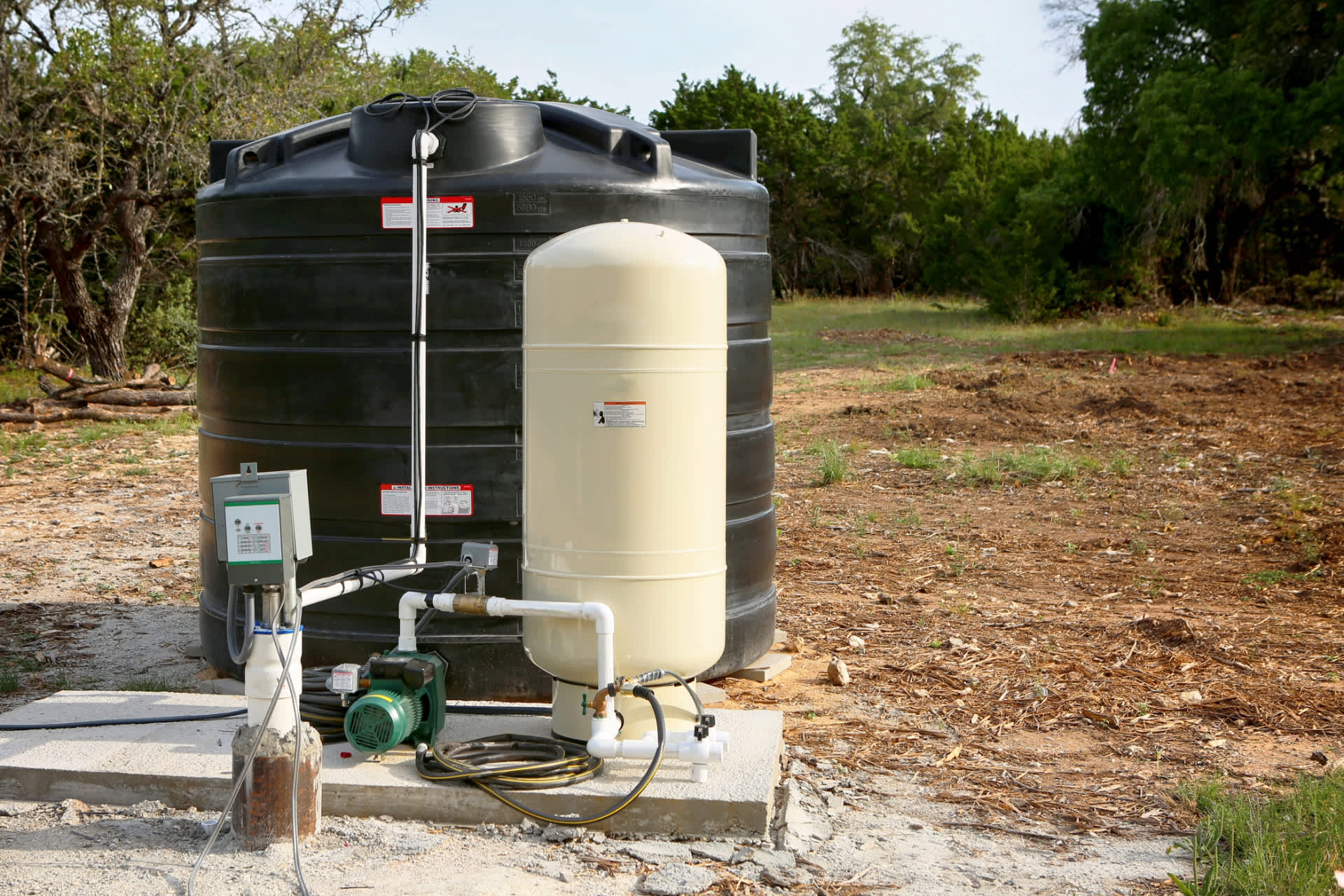
The pressure tank serves as the mediator between the well pump and your faucets. By storing water under pressure, it prevents the pump from cycling every time a tap is opened, which extends the lifespan of the entire system. When the internal bladder fails or the air charge is lost, the pump is forced into a state of 'short cycling,' rapidly toggling on and off. This not only spikes energy consumption but places significant mechanical stress on the pump.
Homeowners should stay alert for fluctuating water pressure or audible, rhythmic banging near the tank, both of which often signal that the unit can no longer regulate flow effectively. Pearson suggests that these issues, if caught early, are often manageable through professional adjustments. However, if the tank shows signs of severe corrosion or internal failure, a full replacement is frequently the most practical path to restoring efficiency. Regular inspections, particularly as seasonal groundwater conditions shift, act as a safeguard against expensive system-wide repairs.


Comments (0)
No comments yet. Be the first!