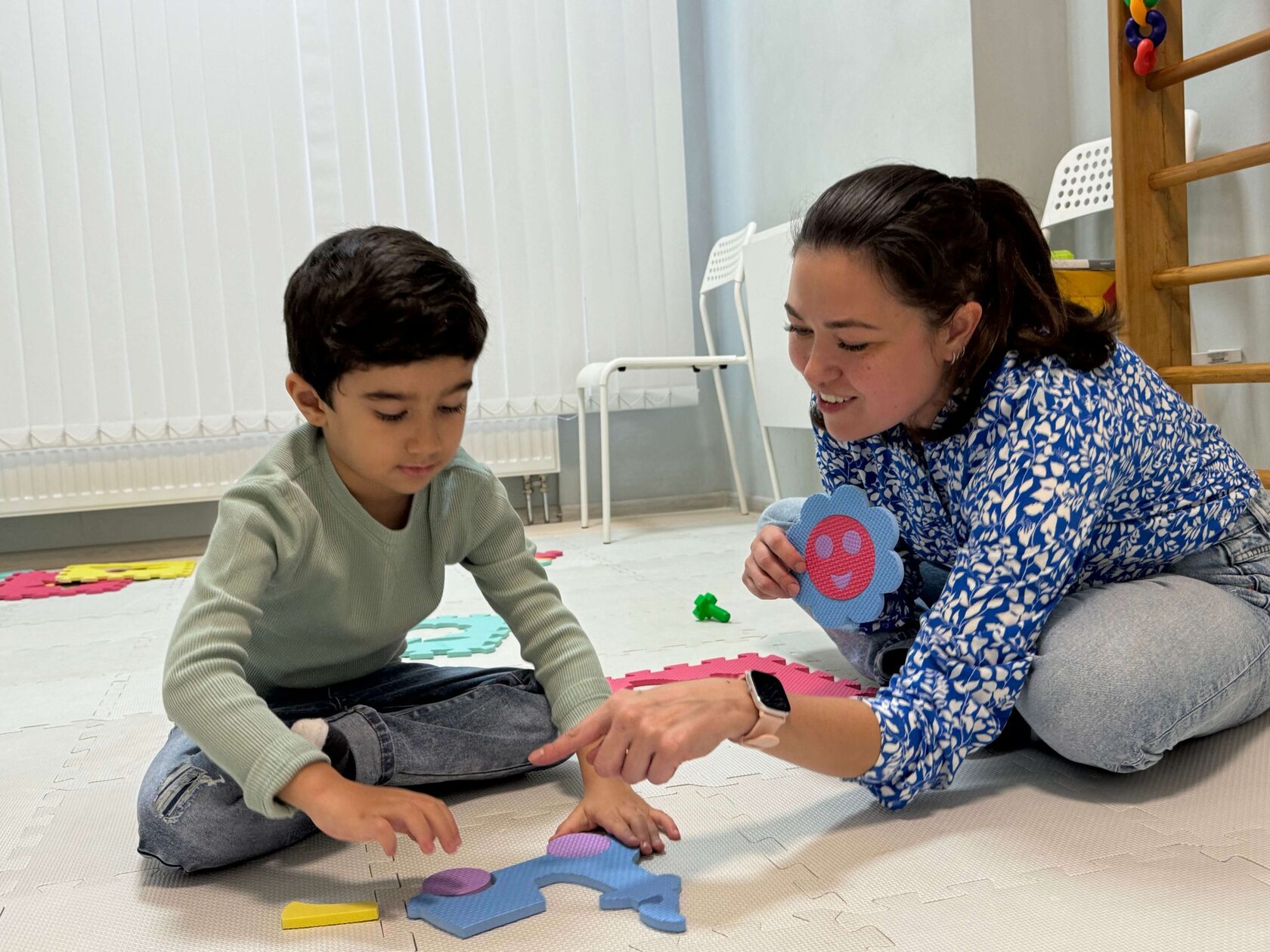
The Board Certified Behavior Analyst (BCBA) functions as the team’s architect, conducting initial assessments and drafting individualized treatment plans. Beyond planning, the BCBA maintains oversight of the entire therapeutic process, reviewing session data to refine interventions and ensure strategies remain evidence-based as the child's needs evolve.
Direct implementation falls to behavior technicians and Registered Behavior Technicians (RBTs). While behavior technicians carry out daily instruction, RBTs represent a subset that has completed specific certification requirements. These professionals facilitate sessions focused on communication, social interaction, and daily living skills, acting as the primary data collectors. This information loop is critical; when RBTs share performance metrics with the BCBA, it allows the team to pivot strategies in real-time.
Effective outcomes depend heavily on the integration of the family unit. Shapiro emphasizes that caregivers serve as a vital extension of the team, reinforcing learned skills in home environments and providing therapists with observations from outside the clinical setting. By maintaining transparent communication between parents and the clinical team, therapy remains a cohesive effort, ensuring that every participant understands their specific function in supporting the child’s long-term growth.



Comments (0)
No comments yet. Be the first!