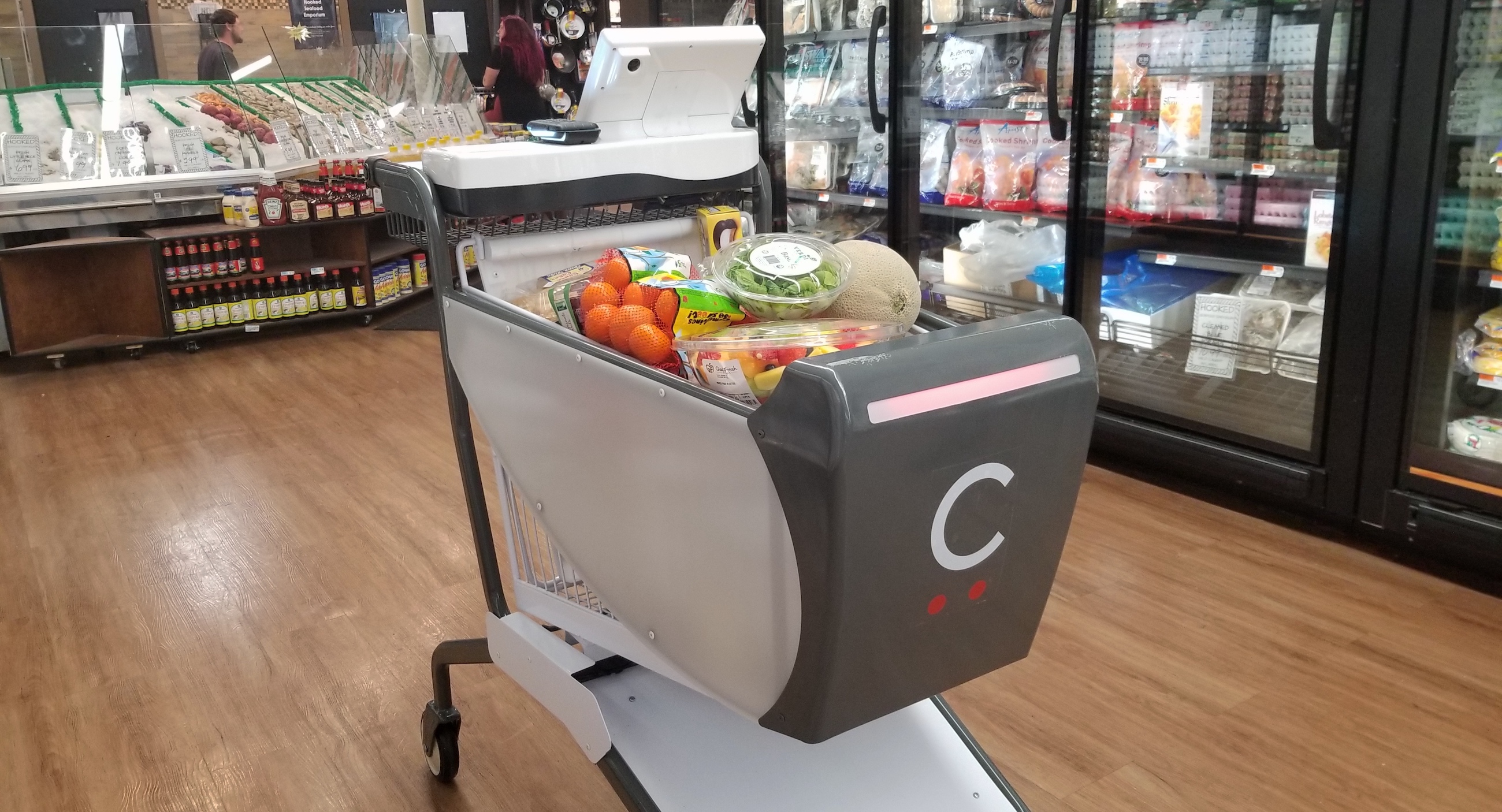
Retailers are moving beyond traditional hardware to adopt sophisticated platforms that integrate computer vision, sensor technology, and embedded computing. These carts do more than hold groceries; they provide real-time product recognition, personalized offers, and seamless transaction capabilities. As chains seek to modernize, the focus is shifting toward fully integrated units that combine hardware with recurring software and analytics services.
Supermarkets represent the most significant growth segment, expected to register a 19.4% CAGR as grocery chains prioritize convenience and digital loyalty integration. While North America currently leads the adoption curve with a 42.4% market share, the Asia-Pacific region is emerging as the fastest-growing territory. Rapid retail infrastructure modernization in countries like India, South Korea, and Japan is creating a fertile environment for technology-enabled shopping formats.
Commercial momentum is increasingly defined by large-scale deployments rather than early-stage testing. Recent major agreements, including a $55 million order from Yochananof and a $50 million deal with Carrefour Israel, underscore the shift toward long-term service contracts. As vendors like Amazon, Caper, and Shopic refine their models, the industry is transitioning from a one-time equipment sale to a subscription-based ecosystem where data, advertising, and retail media generate ongoing value.


Comments (0)
No comments yet. Be the first!