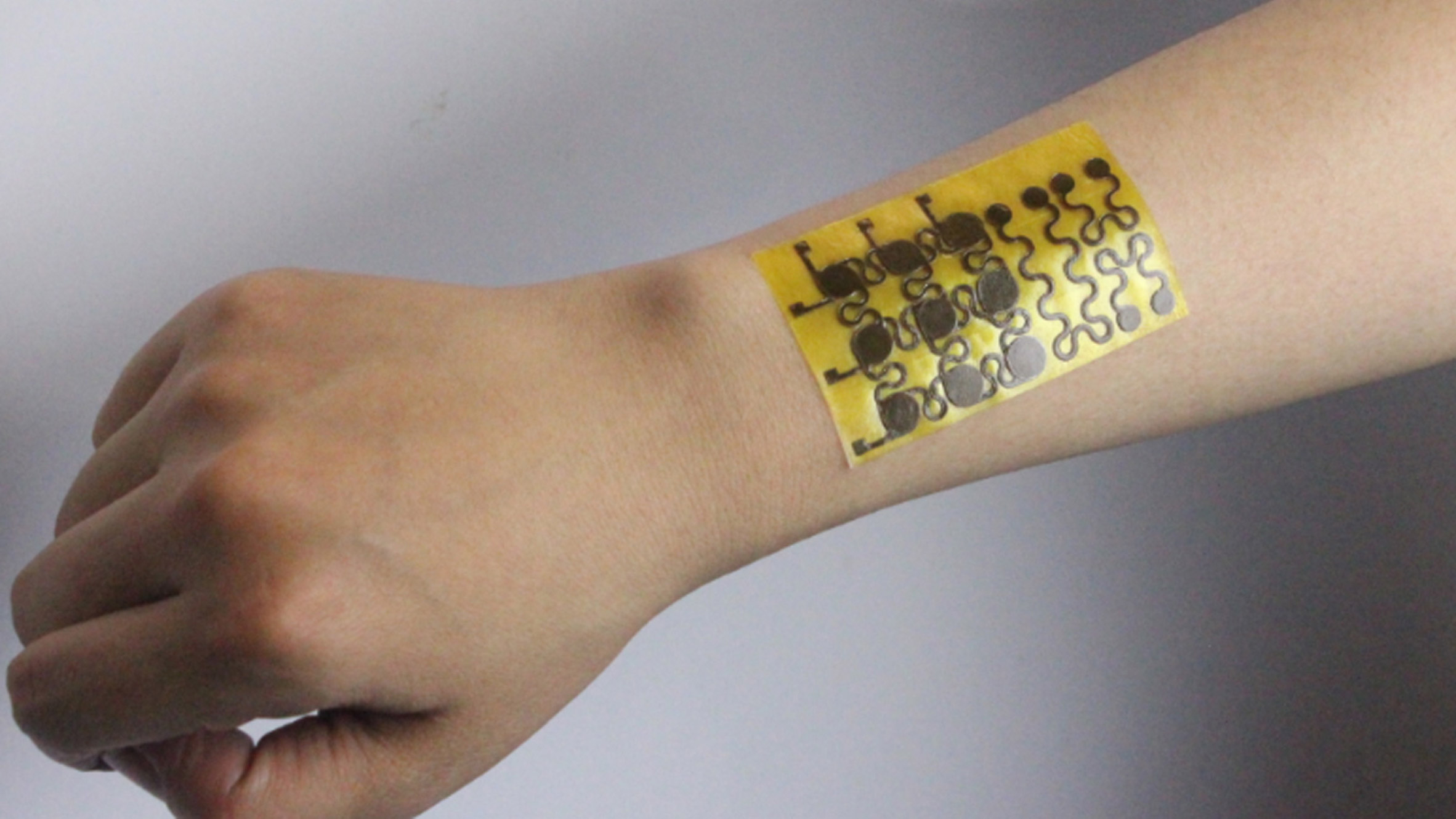
Led by Professor Lim Chwee Teck, the team created a system that utilizes a mechano-electroluminescent response to convert physical pressure into visible light. While standard electronic skins rely on discrete pixels often limited to under 100 dpi, the eLuminator employs a pixel-free design reaching 847 dpi. This resolution is fine enough to capture the intricate ridges of a fingerprint in real time, offering a new approach to biometric imaging and tactile feedback.
The device is approximately 70 µm thick and composed of flexible, non-toxic materials that mimic human skin. It maintains stability over thousands of mechanical cycles and functions across a broad pressure range, from gentle contact to 180 kPa. These properties allow it to conform to curved surfaces, such as surgical tools or human limbs, without compromising structural integrity.
Practical implementation centers on healthcare and robotics, where immediate feedback is vital. In surgical settings, the eLuminator provides visual data on applied force to mitigate the risk of tissue damage. Similarly, the technology could assist in monitoring diabetic patients by mapping pressure distribution on the foot to prevent ulcers. With optical feedback speeds of 15 milliseconds, the team aims to transition the device from laboratory testing into clinical environments to enhance patient care and decision-making.



Comments (0)
No comments yet. Be the first!