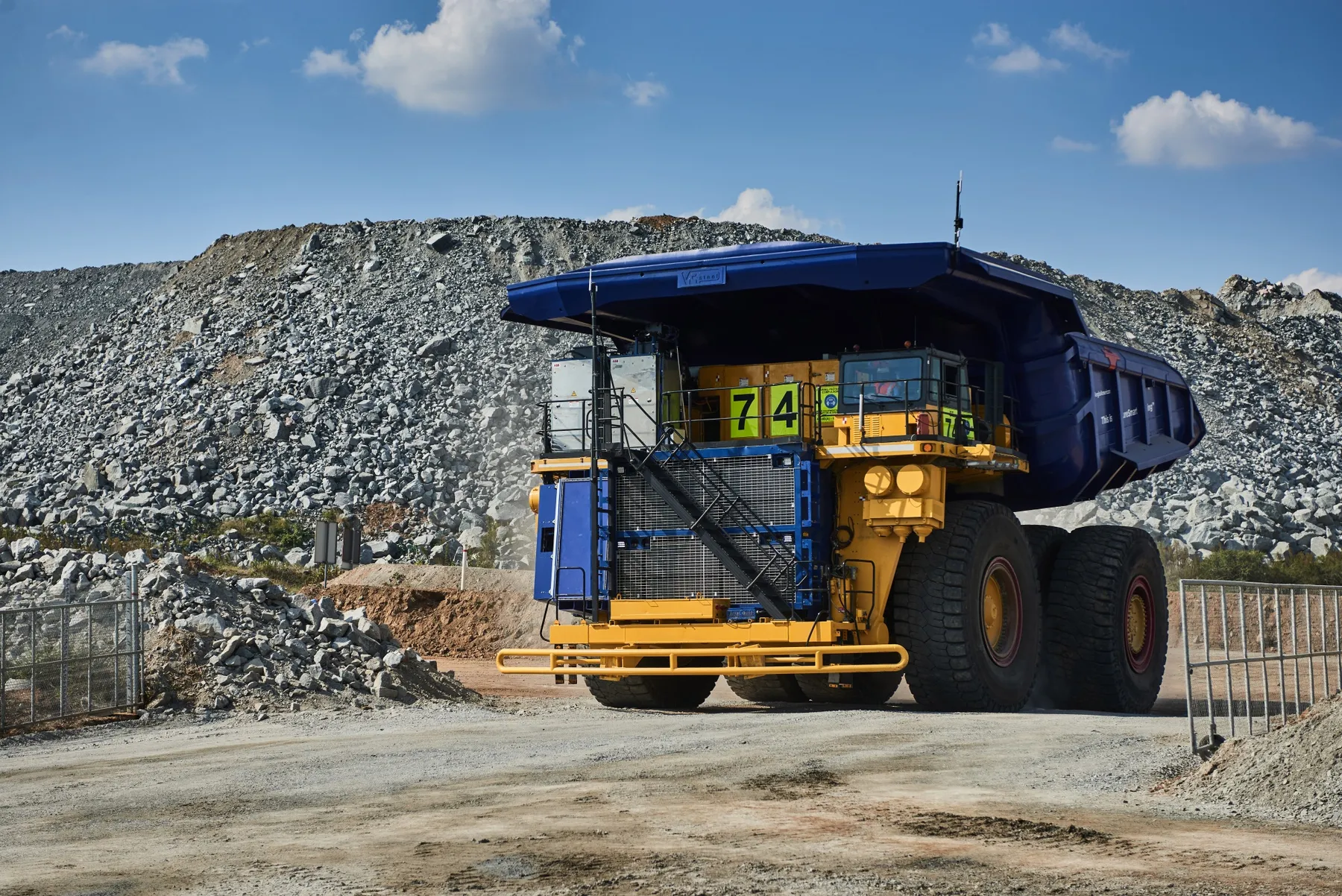
The transition is largely driven by the specific operational demands of long-haul logistics, mining, and regional transit. Unlike battery-electric alternatives, hydrogen powertrains offer the high payload capacity and rapid refueling times necessary for fleets that cannot afford extended downtime. Major manufacturers including Daimler Truck, Toyota, and Volvo are intensifying their focus on this sector, viewing hydrogen as a critical complement to existing electric infrastructures.
Regional initiatives are also providing a substantial tailwind. India, for instance, has set a target for more than 1,000 hydrogen-powered commercial vehicles by 2030 under its National Green Hydrogen Mission. Similarly, North American deployment is accelerating, bolstered by stringent state-level zero-emission regulations and the requirement for vehicles capable of covering distances exceeding 500 miles. As the industry matures, revenue models are evolving from one-time vehicle sales toward an integrated ecosystem of hydrogen production, refueling infrastructure, and long-term service contracts.



Comments (0)
No comments yet. Be the first!