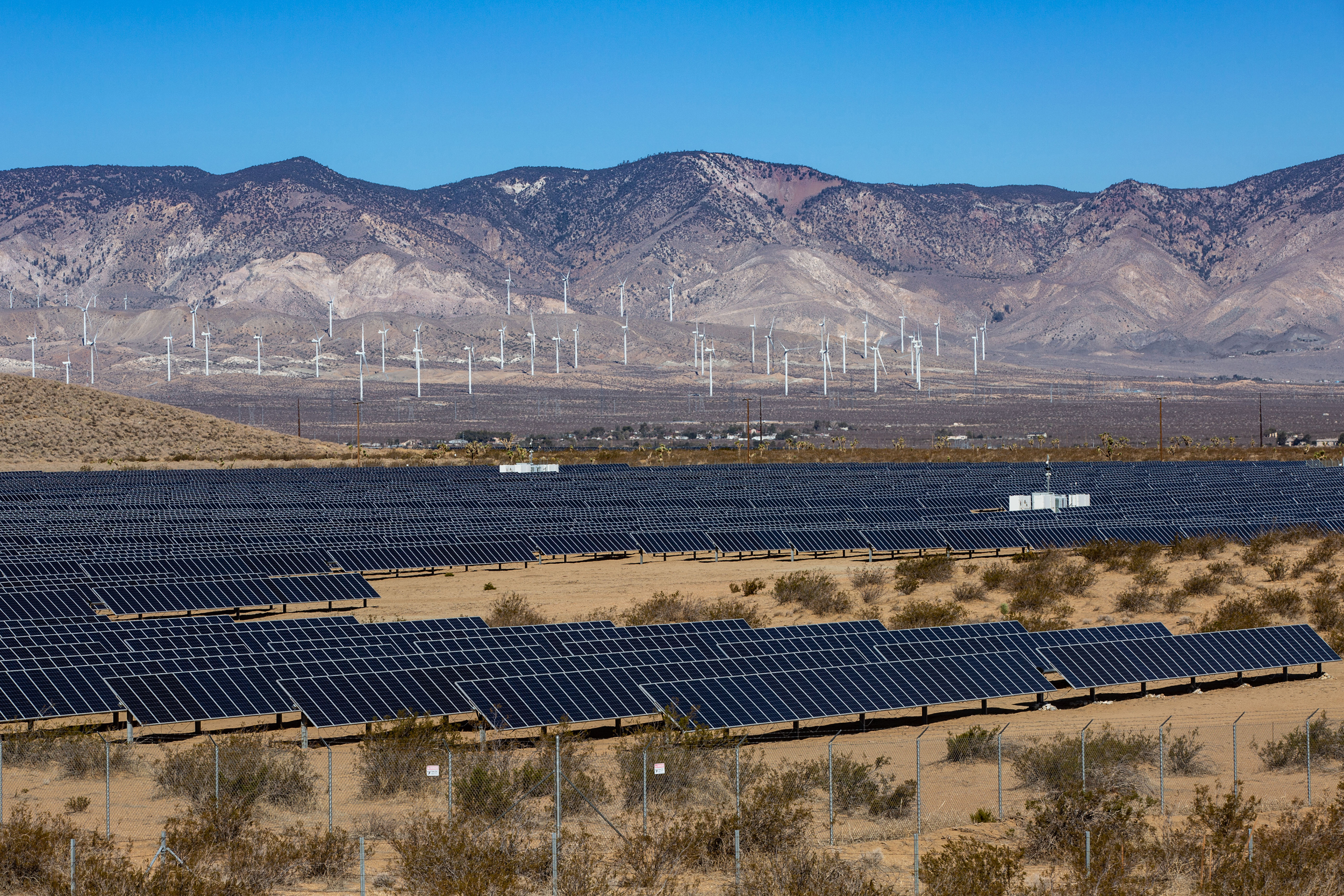
Signed into law by Governor Arnold Schwarzenegger in 2006, the legislation established an economy-wide cap on emissions and created the framework for the state’s current Cap-and-Invest program. This system has since funneled billions into clean technology, infrastructure, and direct household rebates, challenging the long-held assumption that environmental regulation stifles financial prosperity.
Economic and Environmental Milestones
The report highlights that California now hosts 552,300 clean-energy jobs, nearly double the count of the next-highest state, Texas. Beyond job creation, the state’s climate investments have returned $16 billion to residents through utility credits and generated $38.1 billion in fuel and energy savings. Environmental gains have been equally significant: electricity generation emissions dropped by 45.2% over the study period, and in May 2026, solar energy supplied more than half of the state's power for an entire month.
Despite these successes, Next 10 founder F. Noel Perry warns that the next phase of policy must prioritize affordability. The report identifies energy efficiency, grid modernization, and targeted incentives as essential tools to ensure that low- and middle-income residents remain central to the state's ongoing transition, preventing the costs of climate action from falling disproportionately on households.


Comments (0)
No comments yet. Be the first!