The shift reflects a broader market correction where operators are prioritizing vehicle uptime and maintenance efficiency over sheer volume. During the summit, CEO Cid Wang emphasized that the company is transitioning from a hardware manufacturer into a service-oriented partner, aiming to mitigate the operational friction that has historically plagued shared mobility providers.
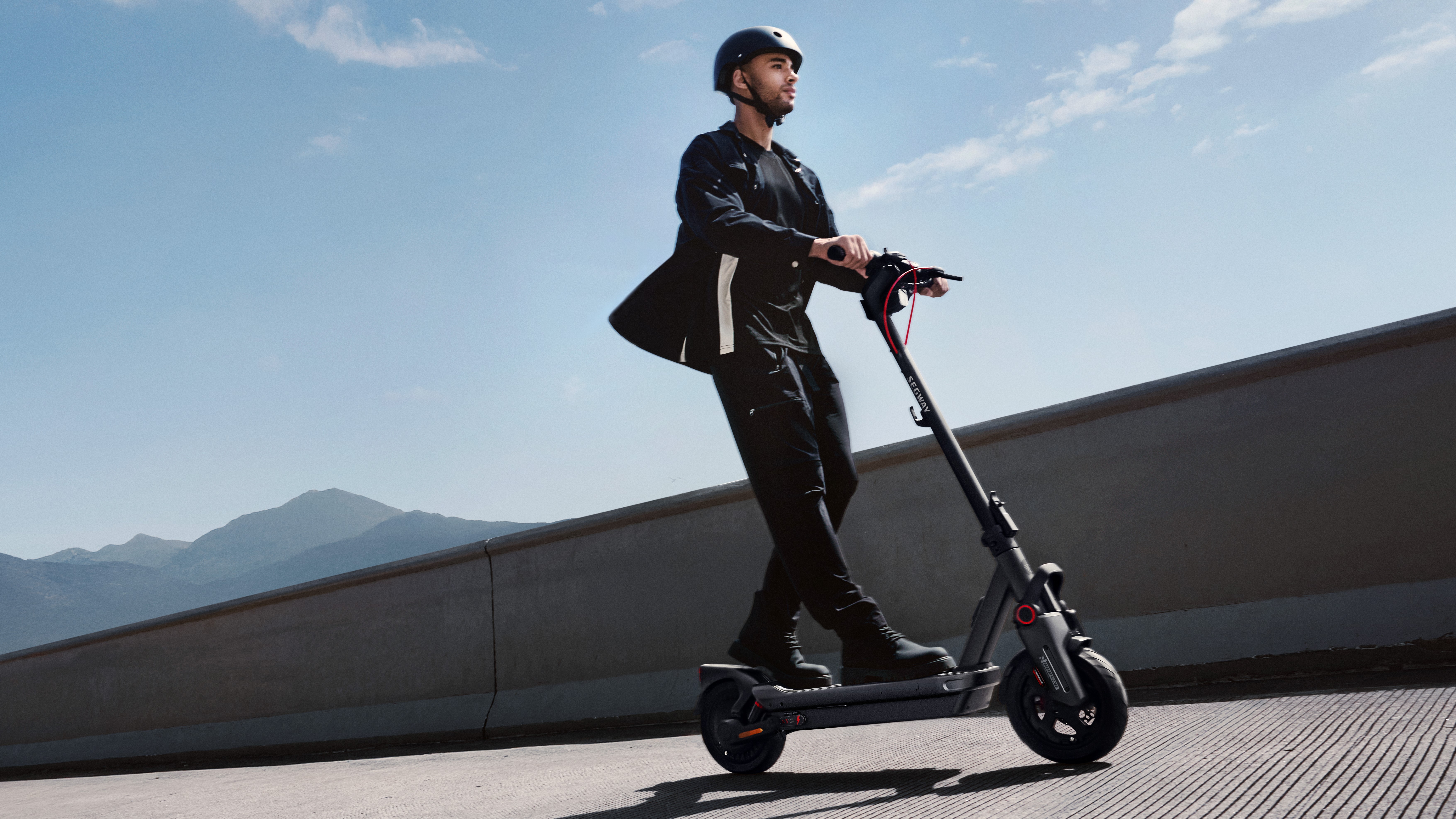
Central to this strategy is the introduction of a total cost of ownership framework, which evaluates revenue generation against energy consumption and asset longevity. This approach informs the design of the newly unveiled R1 e-scooter and the C Series e-bikes. These platforms utilize a modular architecture and integrated IoT systems, designed to simplify repairs and extend the operational life of the hardware. As Segway expands into delivery-focused hardware like the F100 e-bike, the focus remains on keeping assets on the street longer while satisfying municipal demands for safer, more accountable fleet management.



Comments (0)
No comments yet. Be the first!