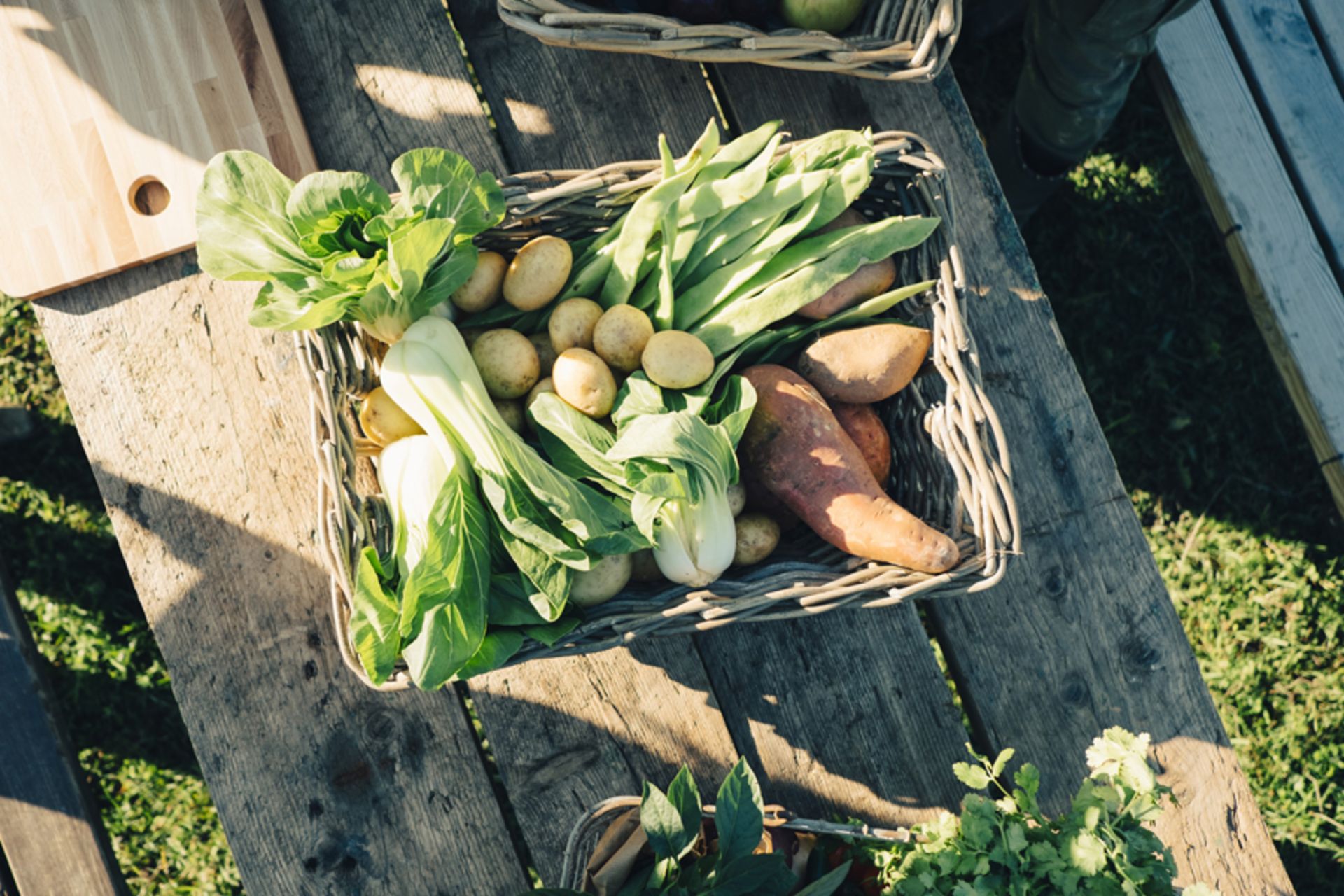
The USDA Organic seal serves as a rigid benchmark for farming, processing, and handling practices. Products bearing this label must adhere to strict federal regulations regarding the use of synthetic pesticides and fertilizers. This certification stands in stark contrast to the term natural, which lacks a federal definition and carries no guarantee of specific environmental or quality standards. Recognizing this gap allows consumers to bypass ambiguous marketing and prioritize items that meet verified safety benchmarks.
Beyond labels, the quality of produce often hinges on geography and timing. Kyla Magner emphasizes that sourcing from regional farms not only bolsters the local agricultural economy but also maximizes nutrient density. Produce harvested at peak ripeness and transported over shorter distances avoids the flavor degradation often seen in long-haul imports. Residents are encouraged to inspect goods for firmness and vibrant color while engaging market staff to verify growing practices. By balancing the reliability of certified labels with the transparency of local partnerships, shoppers can align their household grocery lists with both health goals and environmental values.


Comments (0)
No comments yet. Be the first!