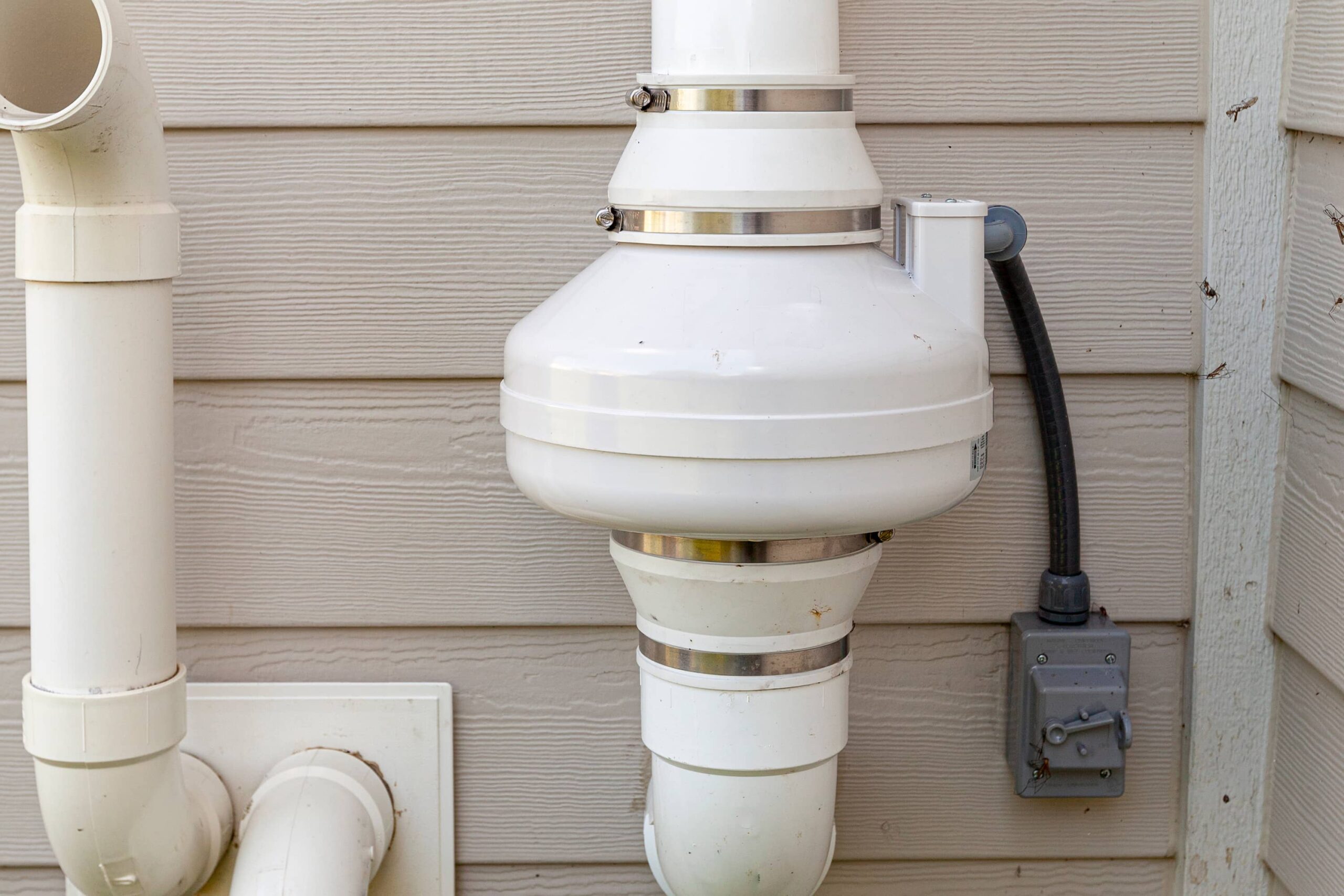
After a system is installed, most homes see a significant reduction in radon gas within 48 hours. A fan continuously draws air from beneath the foundation, venting it safely outdoors. The primary indicator of this process is the manometer—a small gauge attached to the piping. If the fluid levels in this gauge shift or show no pressure difference, the system may be malfunctioning, signaling that a professional inspection is required.
Beyond visual checks, definitive proof of safety comes from follow-up testing. Experts suggest conducting a secondary test two to three months after the initial setup to ensure levels remain below established safety thresholds. Homeowners should maintain a permanent record of these results, including dates and methodologies, which serves as vital documentation for future real estate transactions.
Because every structure is unique, mitigation strategies for basements, crawl spaces, and slab-on-grade foundations differ significantly. Even with a well-designed system, environmental shifts or home renovations can alter performance. Consequently, testing should be repeated every two years. By combining regular manometer monitoring with routine professional assessments, residents can ensure that their mitigation efforts remain effective against prolonged radon exposure.



Comments (0)
No comments yet. Be the first!