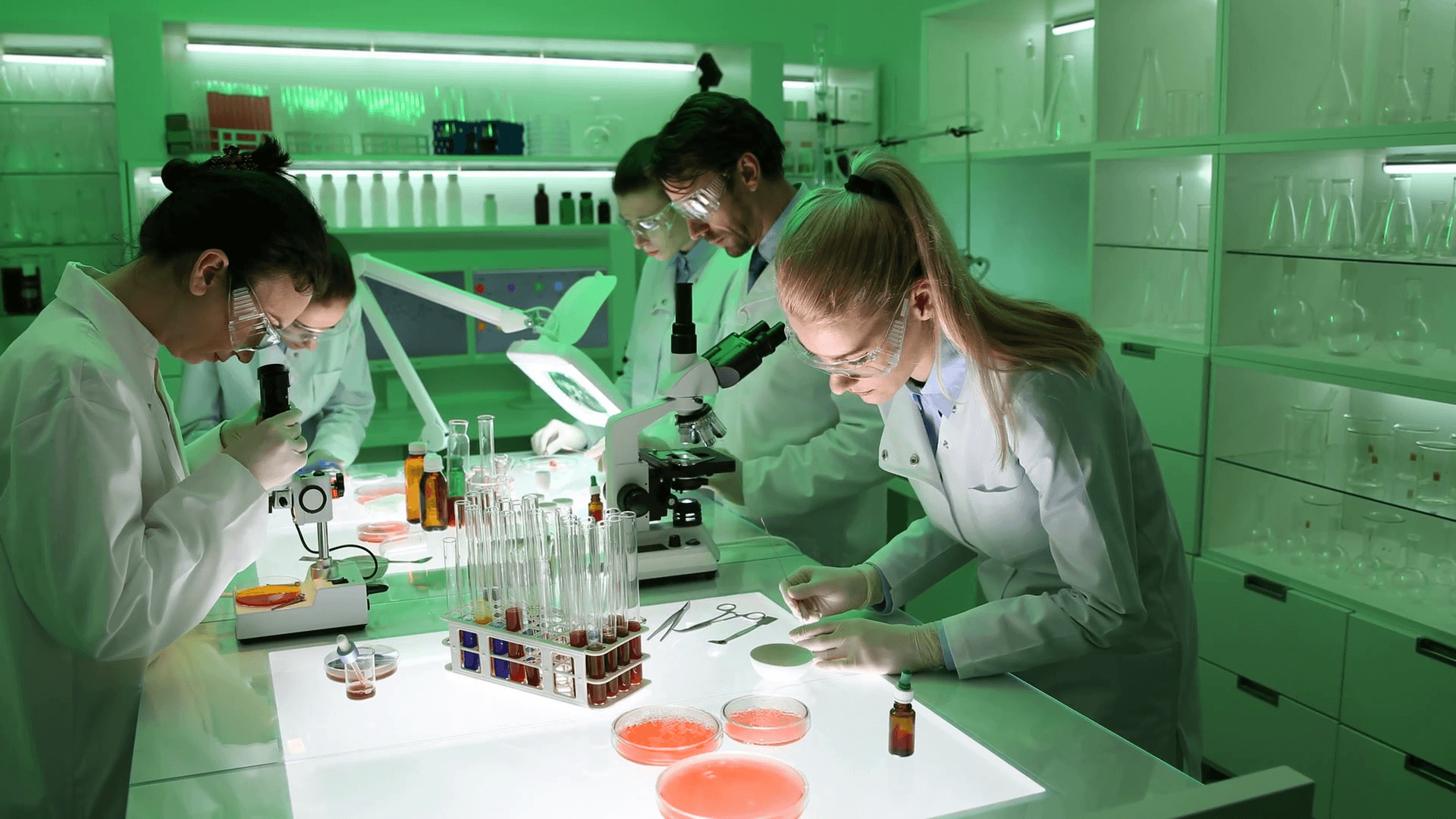
The project, spearheaded by the IHU SEPSIS research center and supported by Assistance Publique - Hôpitaux de Paris (AP-HP), seeks to optimize patient triage within the critical first 24 hours of infection. Researchers plan to use the Nu.Q® NETs assay—a blood test measuring H3.1 levels—to differentiate between patients who require immediate hospitalization and those who can be safely discharged. IDS France will provide the automated i10® analyzer to ensure results are available within one hour, allowing clinicians to make rapid decisions based on both symptoms and molecular data.
Beyond immediate clinical utility, the program carries significant economic and public health implications. With sepsis claiming millions of lives globally each year, the consortium intends to demonstrate that earlier intervention can alleviate the overwhelming pressure on emergency services. If successful, the model could scale beyond French borders, offering a standardized approach to a condition that remains a leading cause of organ failure and death worldwide.


Comments (0)
No comments yet. Be the first!