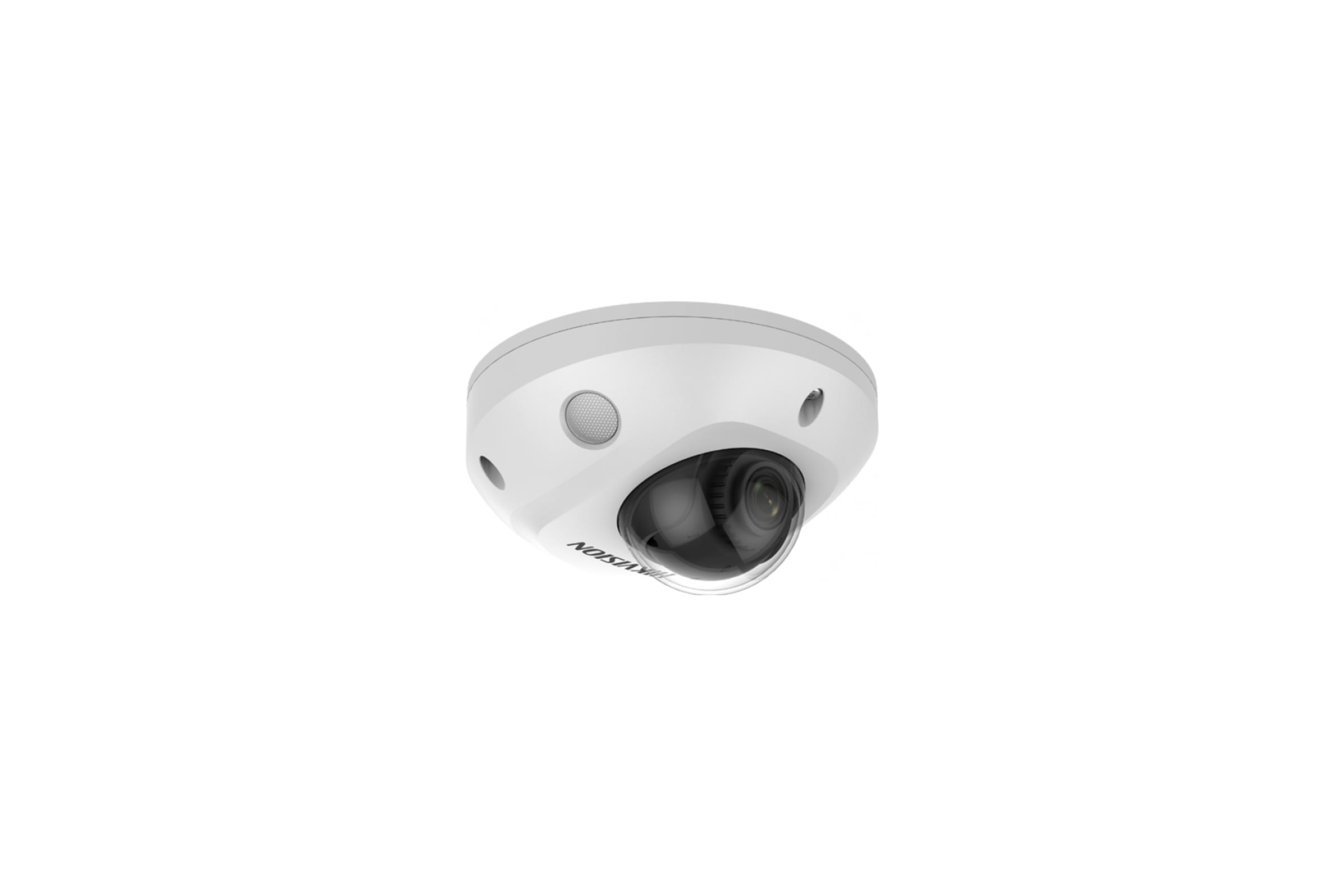
The Guanlan architecture addresses the persistent issue of false alarms in perimeter security, where environmental noise—such as vegetation or wildlife—often triggers legacy systems. Hikvision’s DeepinViewX cameras now process these models at the edge, claiming a 90% reduction in false alerts while doubling detection range. This approach extends to specialized environments, where the system monitors for specific safety risks, such as PPE compliance on construction sites or forklift proximity in logistics centers, consistently maintaining a 70% to 90% drop in erroneous notifications.
Beyond detection, the technology optimizes infrastructure through Guanlan Encoding. By utilizing region-of-interest segmentation, the system prioritizes high-fidelity storage for moving subjects like vehicles or people while compressing static backgrounds, yielding average storage savings of 30% to 50%. The integration of the AcuSeek engine further changes retrieval, allowing operators to bypass manual timeline scrubbing by using natural language queries to locate specific events.
Interaction is evolving through the new HIKO AI agent, which serves as a bridge between the HikCentral Professional platform and the user. Functioning as an assistant, guardian, and search engine, the agent converts conversational commands into system configurations. It can generate attendance reports, monitor passageways based on verbal criteria, or reconstruct a person's movement path across multiple data points—such as door access logs and ANPR reads—in response to simple requests.


Comments (0)
No comments yet. Be the first!