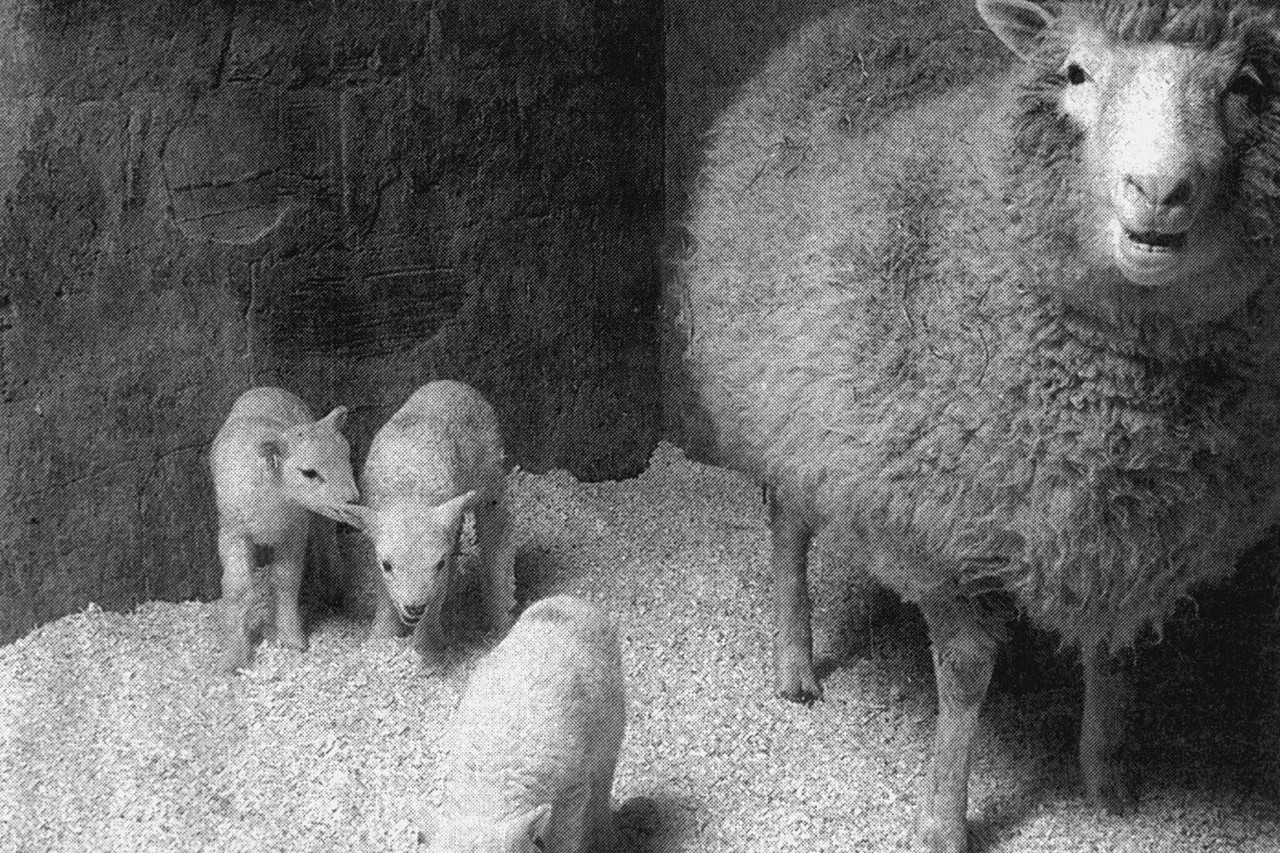
In 1996, the Roslin Institute in Scotland introduced Dolly, the first mammal cloned from an adult somatic cell. Lead scientist Ian Wilmut famously acknowledged the inspiration, noting that because the sheep was derived from a mammary gland cell, they chose the name as a cheeky nod to the singer. Parton herself later embraced the humor, famously remarking that there is no such thing as bad publicity.
Her legacy extends to the rugged terrain of Tennessee. In 2015, researchers at the New York Botanical Garden discovered a lichen species in the southern Appalachian Mountains, naming it Japewiella dollypartoniana to honor her conservation efforts in her home region. Similarly, geologist Greg Retallack identified a 460-million-year-old fossil moss near the singer's Dollywood theme park in 2020, christening it Dollyphyton buocotii. Horticulturalists have joined the trend as well; in 1984, breeder Joe Winchel debuted a bright orange-red hybrid tea rose bearing her name, citing its bold color and fragrant, resilient nature as a fitting tribute to the star.


Comments (0)
No comments yet. Be the first!