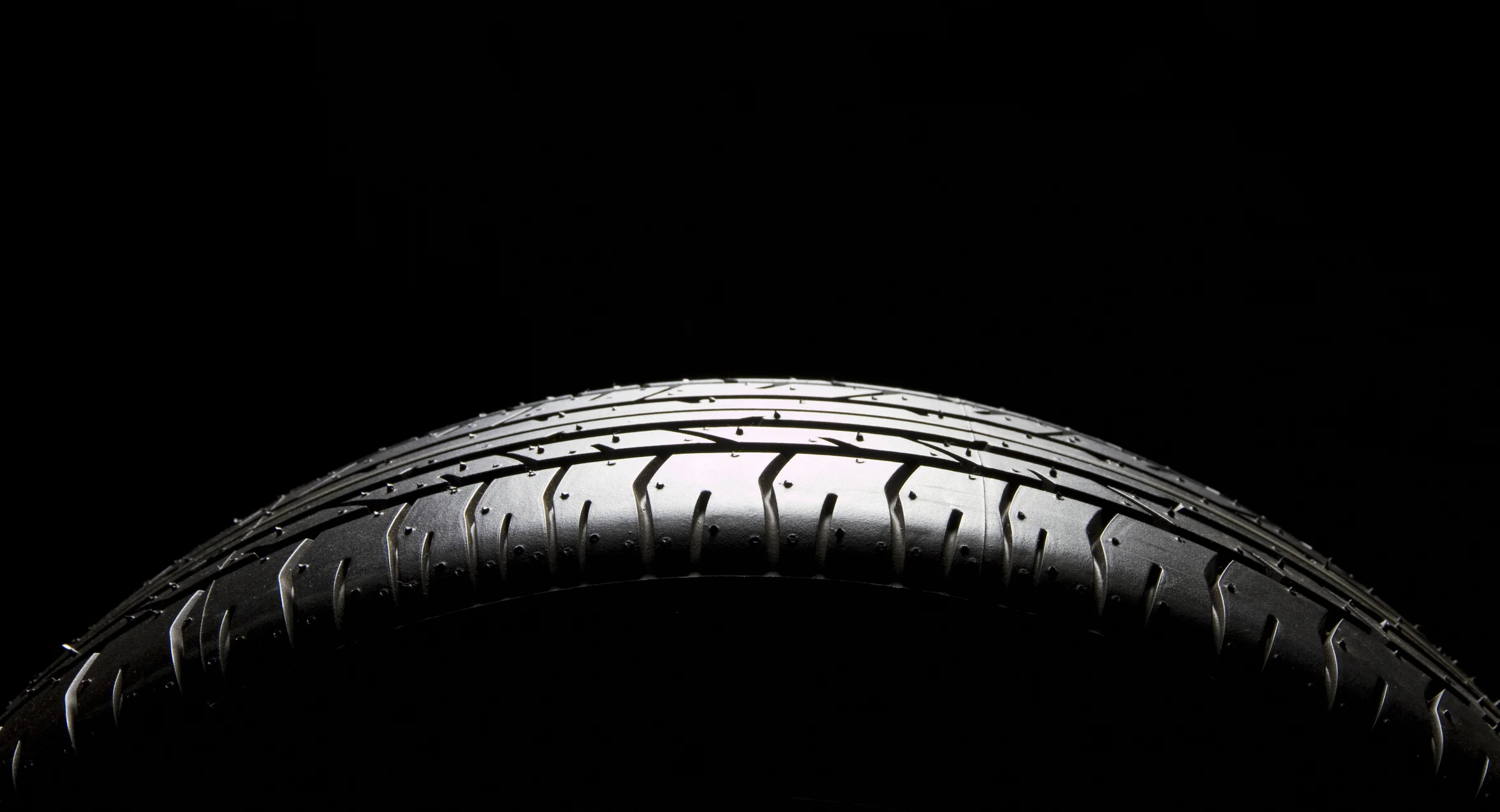
The transition to radial technology remains the primary engine of industry development. By offering lower rolling resistance and increased heat dissipation, radial tires provide tangible economic benefits for fleet operators and individual motorists alike. According to a recent analysis by Radial Insights, this structural shift is particularly pronounced in developing markets and heavy-duty sectors, including agriculture and off-road equipment, where the performance advantages over traditional bias-ply designs translate into significant fuel savings and longer tread life.
Electric vehicle adoption is further accelerating demand for specialized, high-performance radial products. As manufacturers adapt to the unique requirements of EVs—such as instant torque, higher load capacities, and the necessity for noise reduction—the market is seeing a surge in premiumization. Major players like Michelin and Bridgestone are responding with innovative compounds and lightweight designs, such as Bridgestone’s ENLITEN technology, which has demonstrated marked improvements in weight reduction and rolling resistance.
Regional dynamics continue to shape the global landscape, with Asia-Pacific commanding a 42.61% market share. Rapid industrialization in countries like India, bolstered by localized manufacturing investments from companies such as Apollo, CEAT, and JK Tyre, positions the region as the central hub for future radialization. While raw material price volatility and regulatory complexities present ongoing challenges, the convergence of environmental standards and the necessity for durable, efficient transport solutions ensures that radial tires will remain the dominant force in the global automotive aftermarket through the next decade.



Comments (0)
No comments yet. Be the first!