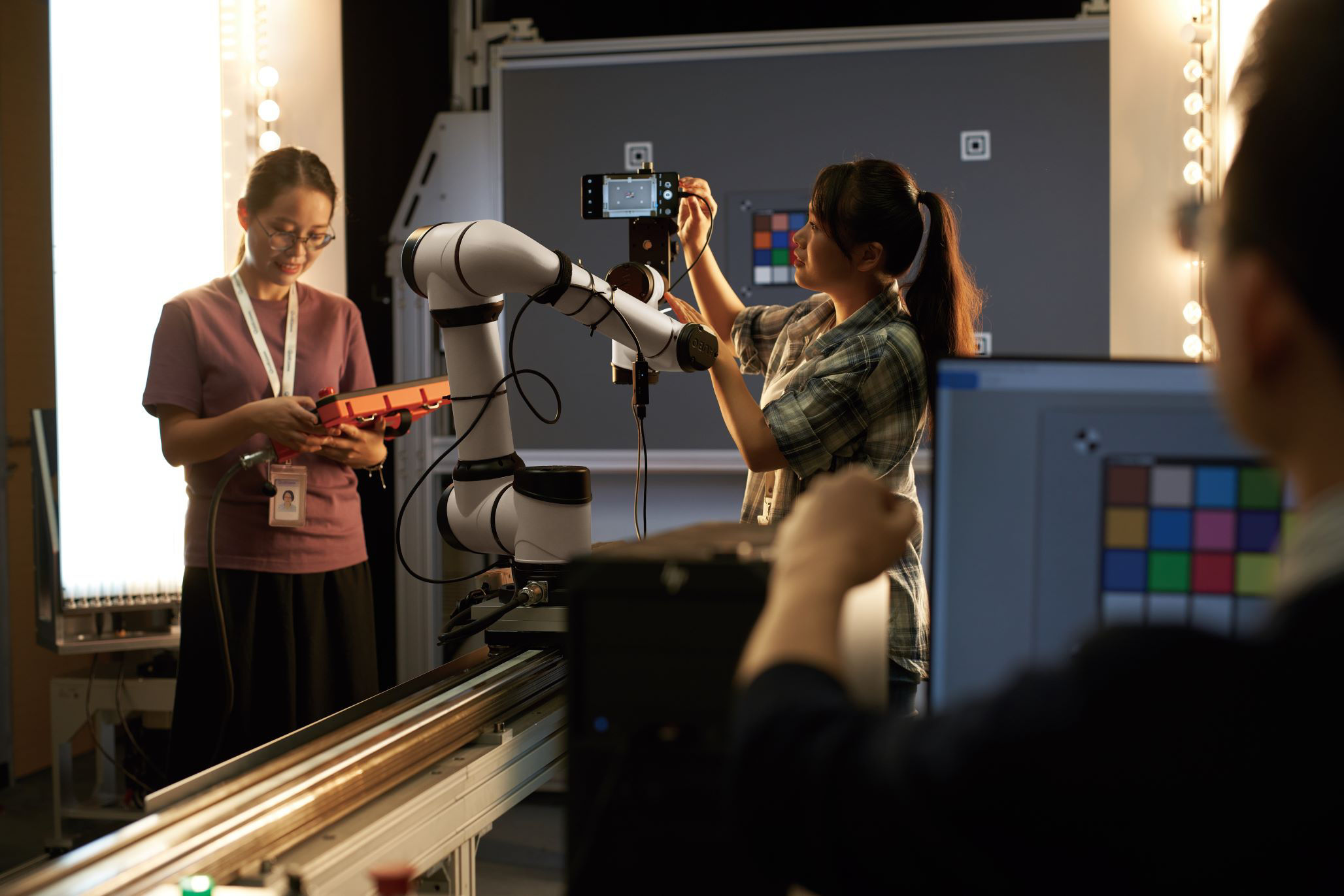
Initiated by the Shenzhen Institute of Artificial Intelligence and Robotics for Society, AIRSEAI seeks to replace fragmented, vendor-locked environments with a modular architecture. This shift allows researchers and manufacturers to deploy AI models across diverse hardware platforms, ensuring that robotic intelligence can evolve through real-world interaction rather than isolated laboratory testing.
Mark Collier, general manager of AI & Infrastructure at the Linux Foundation, stated that the move addresses the complex challenges of physical-world interaction by fostering a scalable, interoperable ecosystem. The project’s roadmap targets this evolution through three distinct stages, moving from single-robot intelligence to collective, adaptive systems. With the release of AIRSEAI 2.0, developers gain access to production-ready tools, including vision-based tactile sensing and an elastic model zoo, designed to support the next generation of embodied AI.



Comments (0)
No comments yet. Be the first!