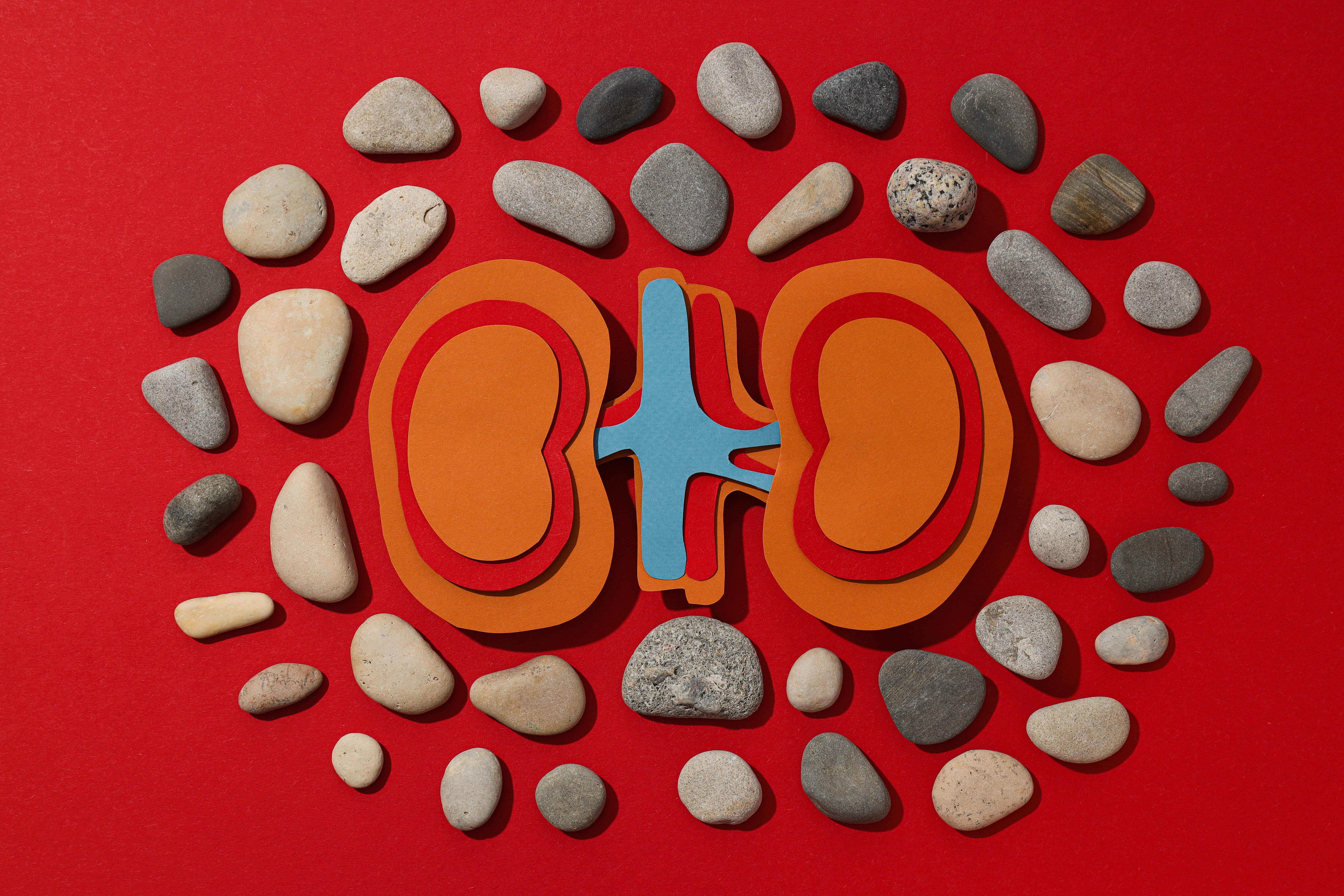
For decades, the medical consensus held that kidney stones formed exclusively through the crystallization of minerals and salts in urine. The new data, however, challenges this model. Researchers examining both struvite and calcium stones discovered that nearly half of the samples taken from patients without a history of urinary tract infections contained active bacterial colonies. These microbes appear to form protective biofilms that create a scaffold, allowing minerals to accumulate more efficiently.
Dr. Kirk Campbell, President of the National Kidney Foundation, noted that this shift in understanding could fundamentally change future treatment and prevention protocols. While the discovery opens doors for novel therapies, health experts emphasize that standard prevention strategies remain critical. Maintaining proper hydration—specifically producing at least two liters of urine daily—and adhering to personalized dietary changes are still the most effective ways to mitigate the risk of recurrence for the millions of Americans currently living with or susceptible to the condition.


Comments (0)
No comments yet. Be the first!