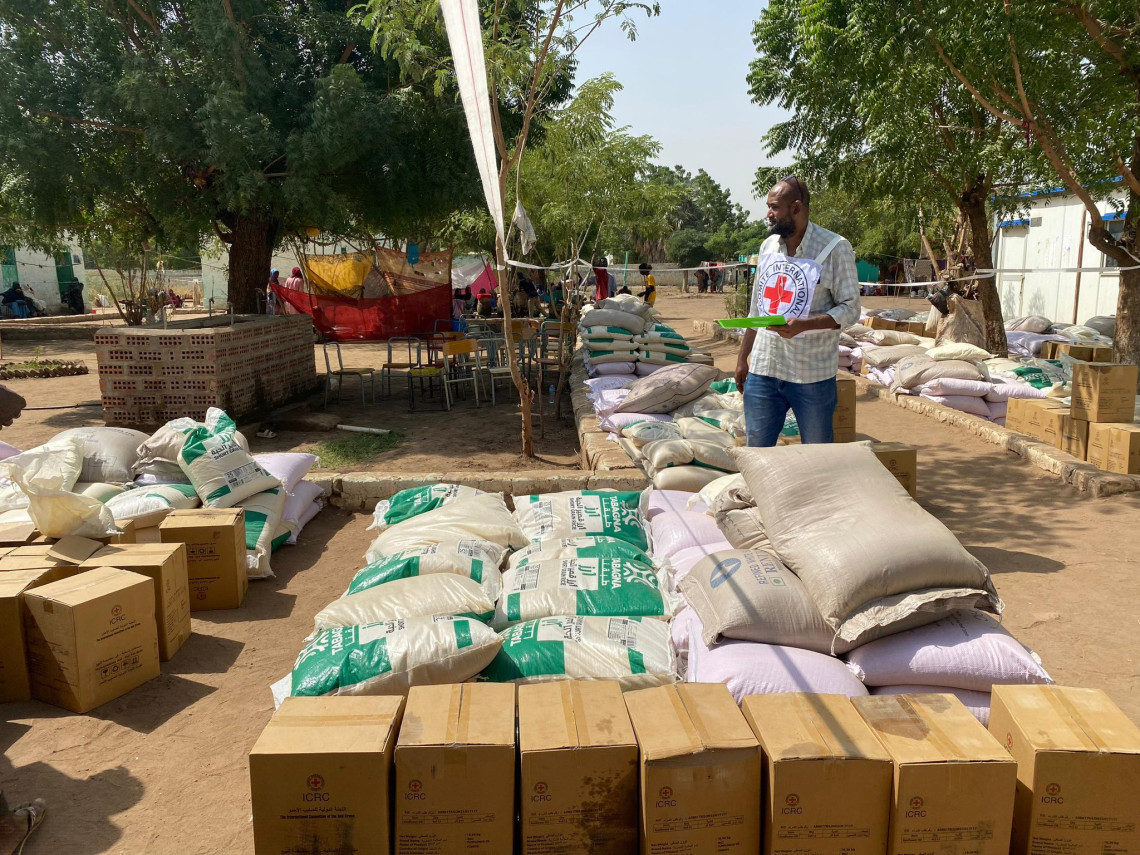
The conflict between the Sudanese Armed Forces and the Rapid Support Forces, which erupted in April 2023, has pushed the nation into a catastrophic state. Humanitarian teams are currently struggling to navigate a landscape defined by active frontlines, persistent drone strikes, and obstructive bureaucratic hurdles. Fletcher explicitly rejected the ritual of offering standard policy recommendations, noting that the council has heard those pleas repeatedly without meaningful shift. Instead, he challenged the body to move beyond mere analysis of a tragedy that has already displaced roughly 13 million people.
Rosemary DiCarlo, the UN under-secretary-general for political and peacebuilding affairs, echoed these concerns, noting that the true death toll is likely in the hundreds of thousands. She described a recurring pattern of mass killings, abductions, and sexual violence that threatens to leave long-lasting regional scars. With a long-standing Darfur arms embargo nearing expiration, US envoy Massad Boulos advocated for an expanded resolution that would apply to the entire country and explicitly include drone technology. Meanwhile, domestic pressure is mounting in Washington, where Sen. Chris Van Hollen recently led a group of 20 senators urging the administration to halt arms sales to external actors, including the United Arab Emirates, accused of fueling the RSF’s operations.


Comments (0)
No comments yet. Be the first!