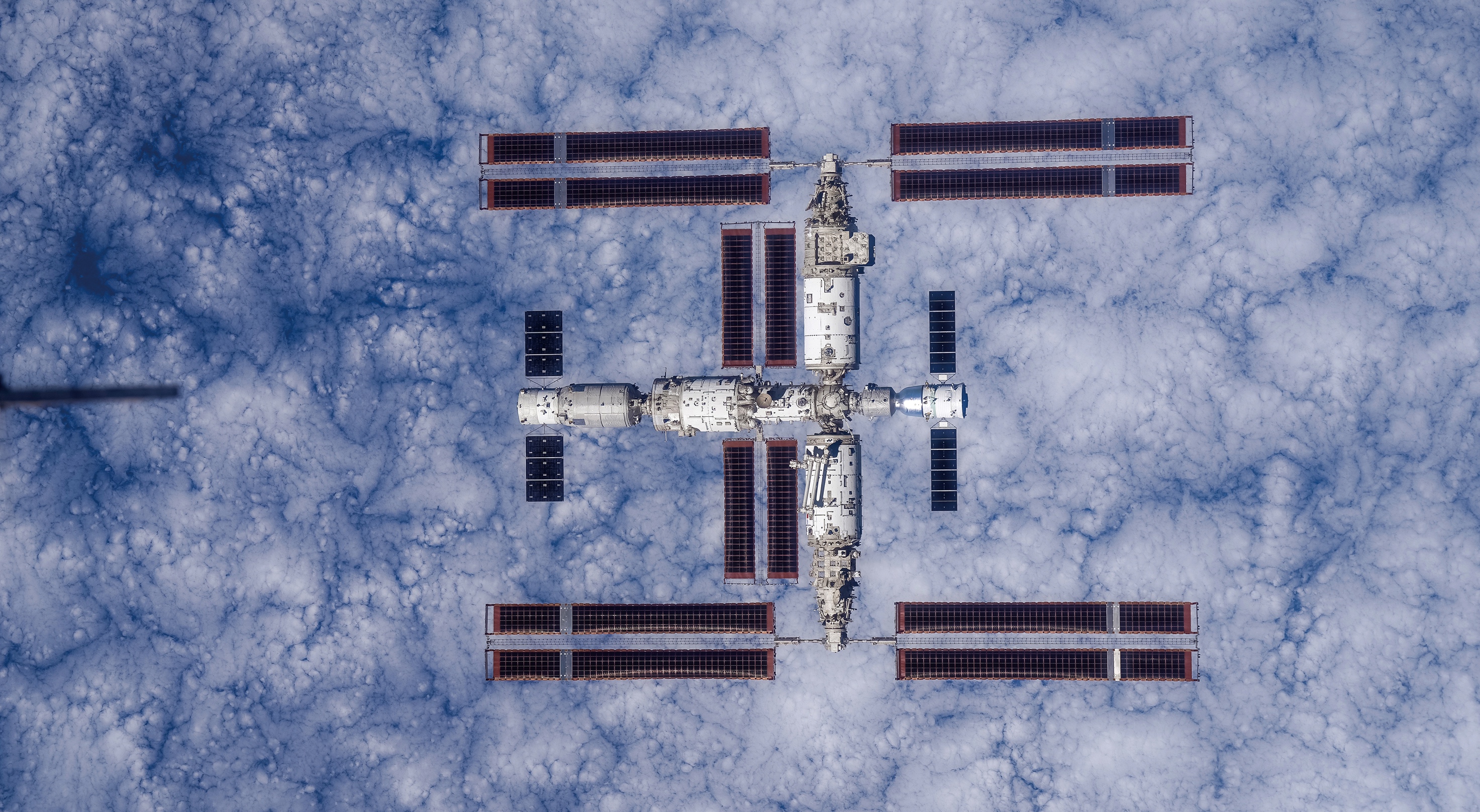
The Shenzhou-17 crew harvested the crops in a collaborative effort following initial cultivation by the Shenzhou-16 team. Maintaining a garden in orbit requires overcoming significant environmental hurdles, specifically the disruption of water-air exchange in root systems caused by microgravity and the total absence of natural sunlight. To bypass these obstacles, researchers developed breathable cultivation substrates alongside capillary water supply systems that ensure consistent moisture delivery to the plants.
Customized LED arrays provide the necessary light spectra for photosynthesis, compensating for the lack of solar exposure inside the cabin. These technical solutions, combined with controlled-release fertilizers, allow the station to function as a closed-loop laboratory. By reducing the logistical burden of ground-based material resupply, this experimental garden provides a blueprint for future deep-space exploration and establishes a foundation for viable, long-term aerospace agriculture.



Comments (0)
No comments yet. Be the first!