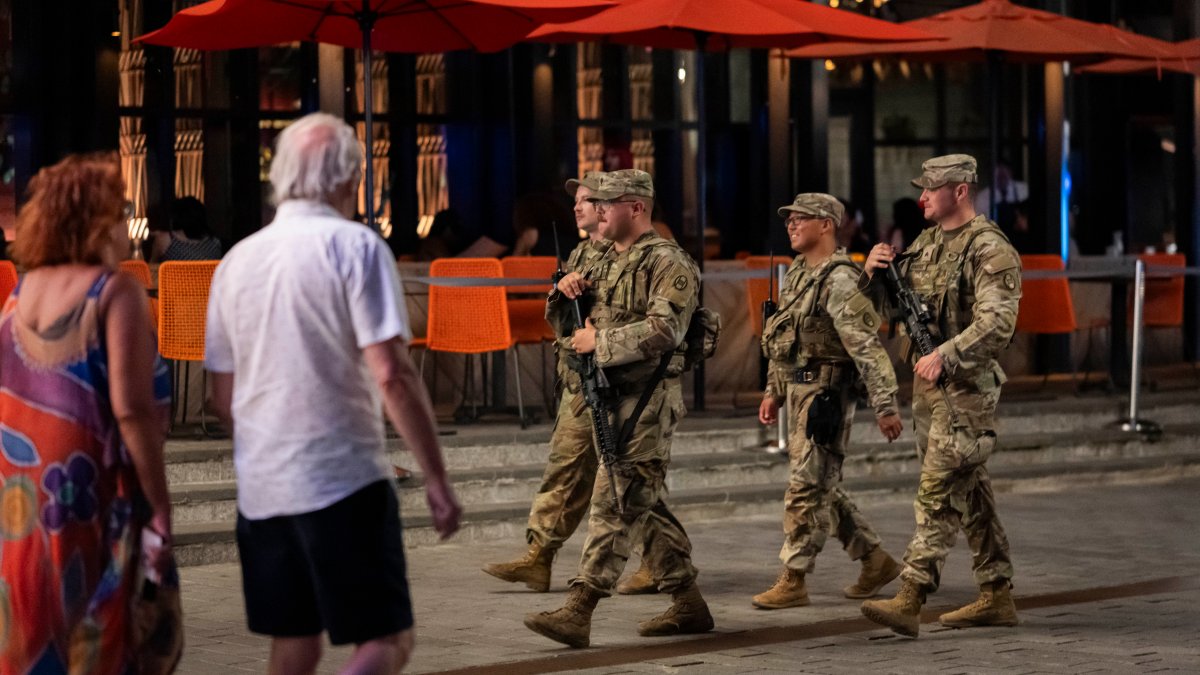
While the administration describes the deployment as a vital deterrent against urban violence, court records show soldiers are mentioned in only 1.3% of criminal cases filed in the city’s Superior Court. Instead of addressing the neighborhoods where 82% of recent homicides occurred, the troops are primarily stationed in wealthier, safer areas, often responding to minor infractions like subway fare evasion or shoplifting. In several instances, witnesses and police officers reported that soldiers remained passive during violent crimes, waiting for local law enforcement to intervene.
Financial and Social Impact
The economic burden of this operation is stark. According to the Niskanen Center, a single deployed Guard member costs $607 daily, significantly more than the $384 required for a local Metropolitan Police Department officer. Projections suggest the total cost could reach $1.4 billion by 2029. Critics, including the DC Justice Lab, argue these funds could be redirected toward trauma recovery centers, mental health crisis response programs, or housing initiatives.
Beyond the financial strain, local groups like Free DC report frequent, unnecessary detentions and harassment of residents. Monica Hopkins of the ACLU-DC contends that the deployment serves as a political tool rather than a public safety measure. With violent crime rates in the city actually rising by 4% compared to the previous year, the presence of the military has failed to deliver on its stated objectives, leaving the capital as a flashpoint for debates over federal overreach and civil liberties.


Comments (0)
No comments yet. Be the first!