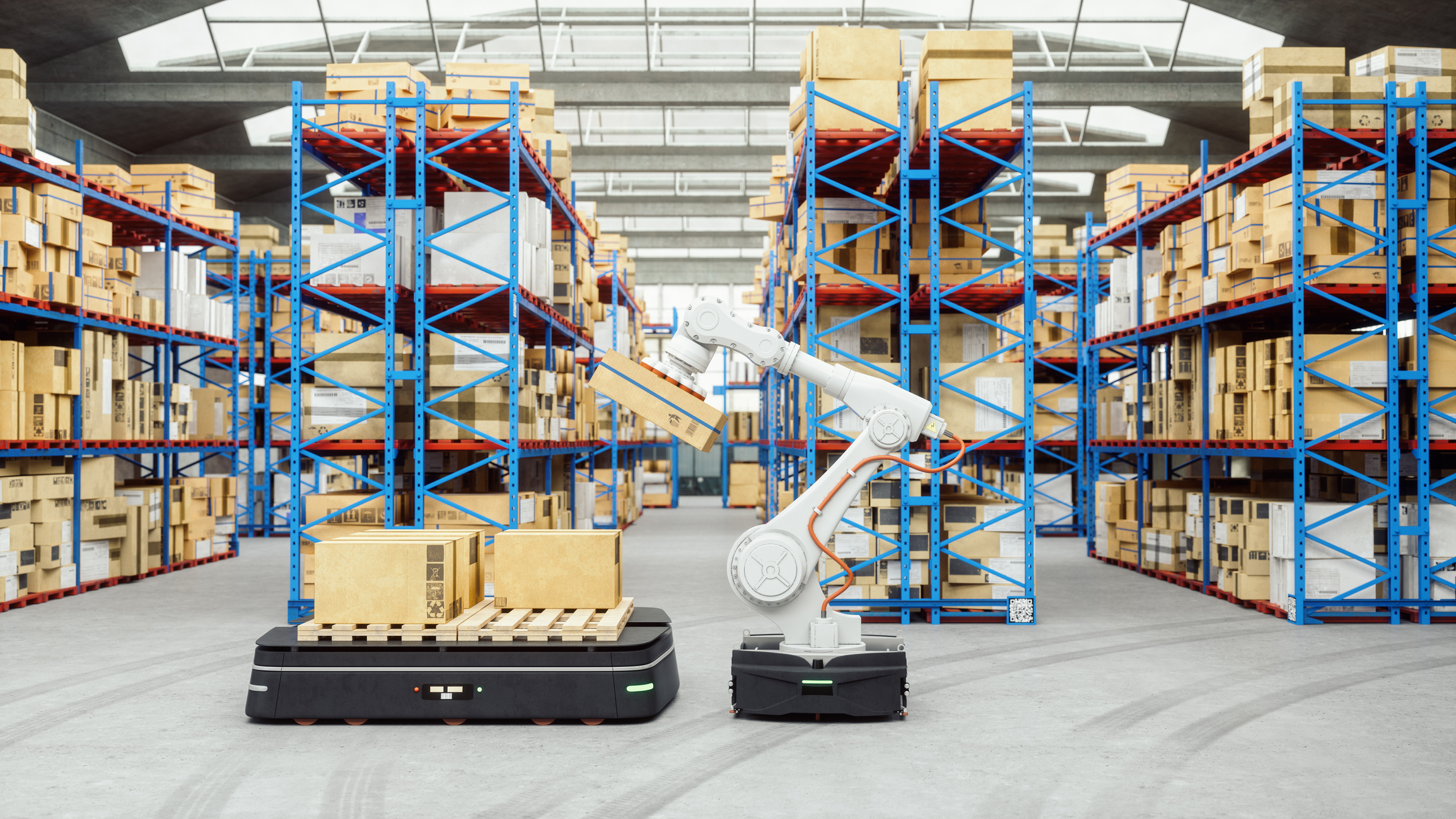
The tech landscape has undergone a brutal correction. Two years ago, award shortlists were dominated by chatbots and interfaces that functioned only under ideal conditions. Today, the companies gaining traction are those fixing inventory accuracy, warehouse robotics, and supply chain replenishment. These tools operate in the background, handling routine tasks and flagging only the necessary exceptions for human oversight. This represents a fundamental shift: founders are moving away from bolting AI onto broken processes and toward building systems with deep data discipline.
Autonomy has similarly transitioned from a science project into a tool for economic reality. The most compelling warehouse and last-mile delivery entries now lead with concrete metrics like cost-per-pick and hours of manual labor removed, rather than the visual appeal of the hardware. This focus on unit economics marks the transition of these technologies from interesting novelties to inevitable industry staples.
Furthermore, the current market proves that a model is not a moat. With frontier models accessible to everyone, defensible companies are rebuilding unloved categories—such as workforce management—from the ground up using proprietary production data. While agentic commerce and AI-driven purchasing are generating significant interest, they remain largely experimental. For now, the most valuable retail technology remains the kind that makes a physical store work harder, cheaper, and smarter, proving its worth through measurable impact on the balance sheet.


Comments (0)
No comments yet. Be the first!