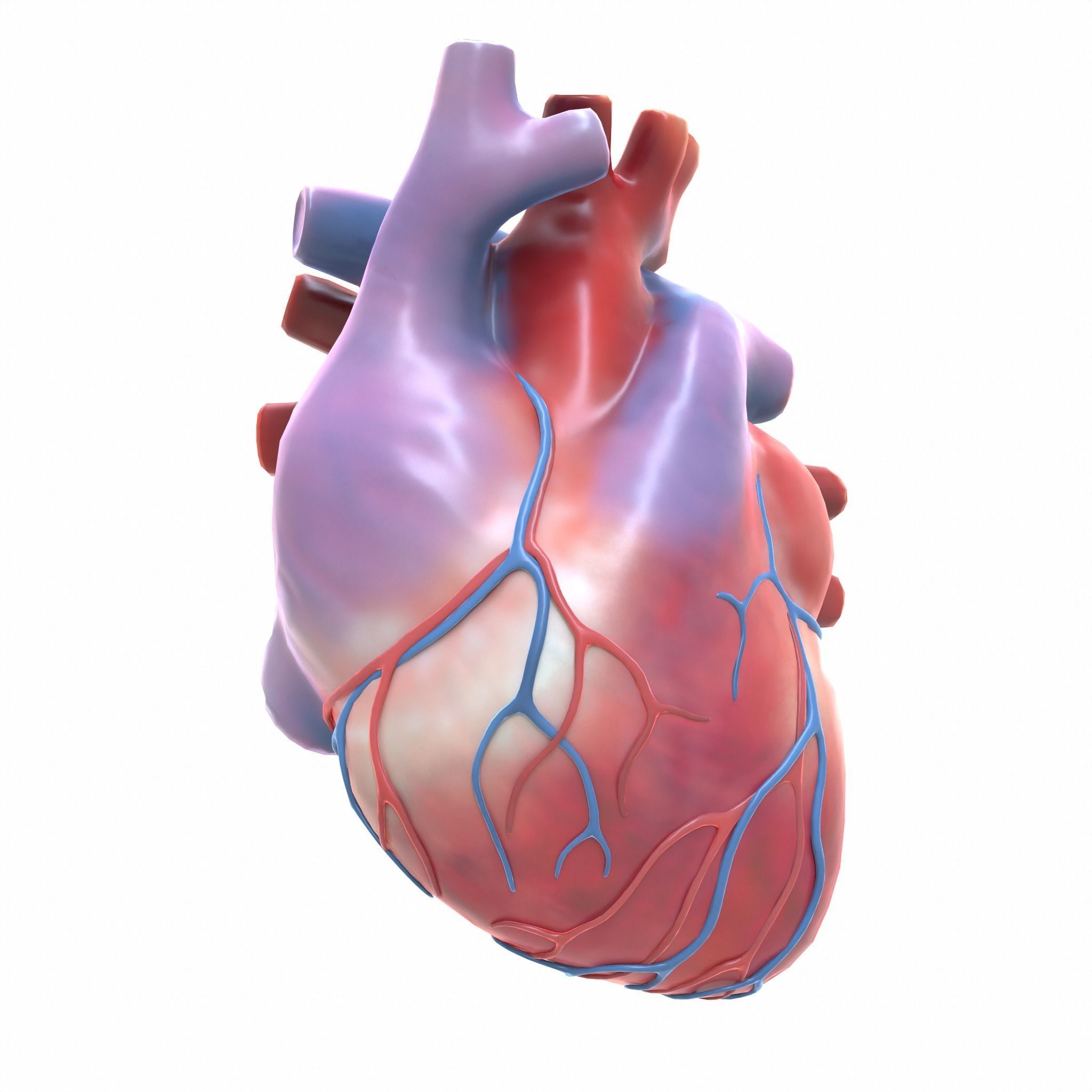
In 2025, the market for hypertrophic cardiomyopathy across seven major regions reached USD 3.2 billion, serving an estimated 11 million prevalent cases. While current clinical practice has long relied on beta-blockers, calcium channel blockers, and antiarrhythmic agents, the recent commercialization of cardiac myosin inhibitors like mavacamten and aficamten has established a new clinical standard. These therapies represent the first generation of drugs designed to address the excessive cardiac muscle contraction characteristic of the disorder.
Looking toward the next decade, the pipeline is expanding with candidates that target metabolic and structural pathways. Lexicon Pharmaceuticals is developing sotagliflozin, a dual SGLT1/SGLT2 inhibitor, while Imbria Pharmaceuticals is testing ninerafaxstat, a partial fatty acid oxidation inhibitor aimed at optimizing myocardial energetics. Other notable assets, such as Edgewise Therapeutics' EDG-7500 and Tenaya Therapeutics' TN-201, continue to advance through clinical trials. Industry analysts suggest that these emerging therapies will likely achieve significant uptake by focusing on patients with specific metabolic comorbidities or those who remain underserved by existing options, effectively broadening the scope of precision medicine in cardiology.


:max_bytes(150000):strip_icc()/Houseextension-GettyImages-139527979-5ca7dc3edd78449f820421a7648f5931.jpg)
Comments (0)
No comments yet. Be the first!