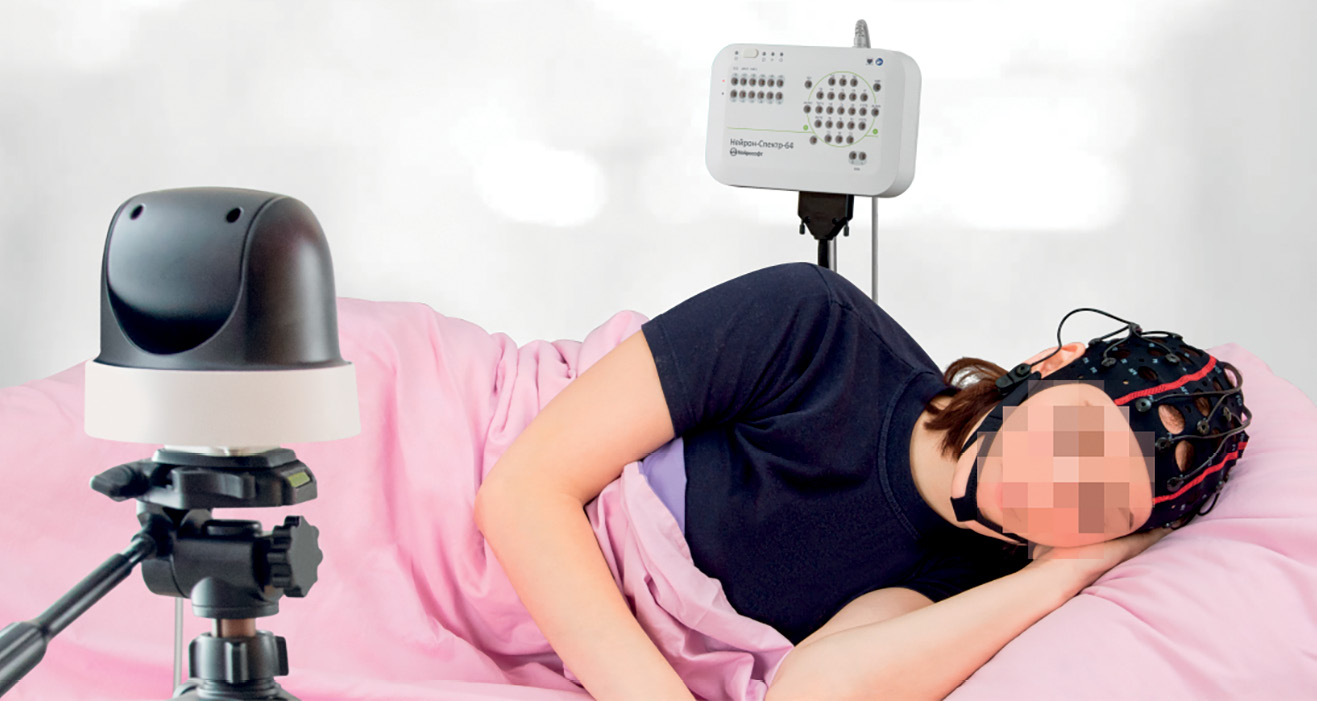
Sleep is vital for neural repair and memory consolidation, making it a sensitive indicator of neurodegeneration. Experts suggest that sleep disturbances are not merely symptoms but potential contributors to the progression of Alzheimer’s disease. Disruptions in slow-wave sleep are linked to impaired glymphatic clearance of amyloid-beta and tau, which may accelerate pathological protein accumulation. Because these biological shifts occur rapidly, sleep metrics offer a faster readout of disease progression than structural or cognitive testing.
The webinar, scheduled for September 2, 2026, features Dr. Jacobo E. Mintzer of the Medical University of South Carolina, Dr. Joseph R. Winer of the UCSF-affiliated San Francisco Coordinating Center, and Dr. Jay Pathmanathan of Beacon Biosignals. They will discuss how at-home EEG and sleep-based biomarkers can be integrated into clinical trials to support interim analyses and early patient identification. By tracking spindle-slow wave coupling, researchers hope to identify biomarker-positive patients who remain cognitively normal, allowing for earlier enrollment than traditional pathways currently permit.



Comments (0)
No comments yet. Be the first!