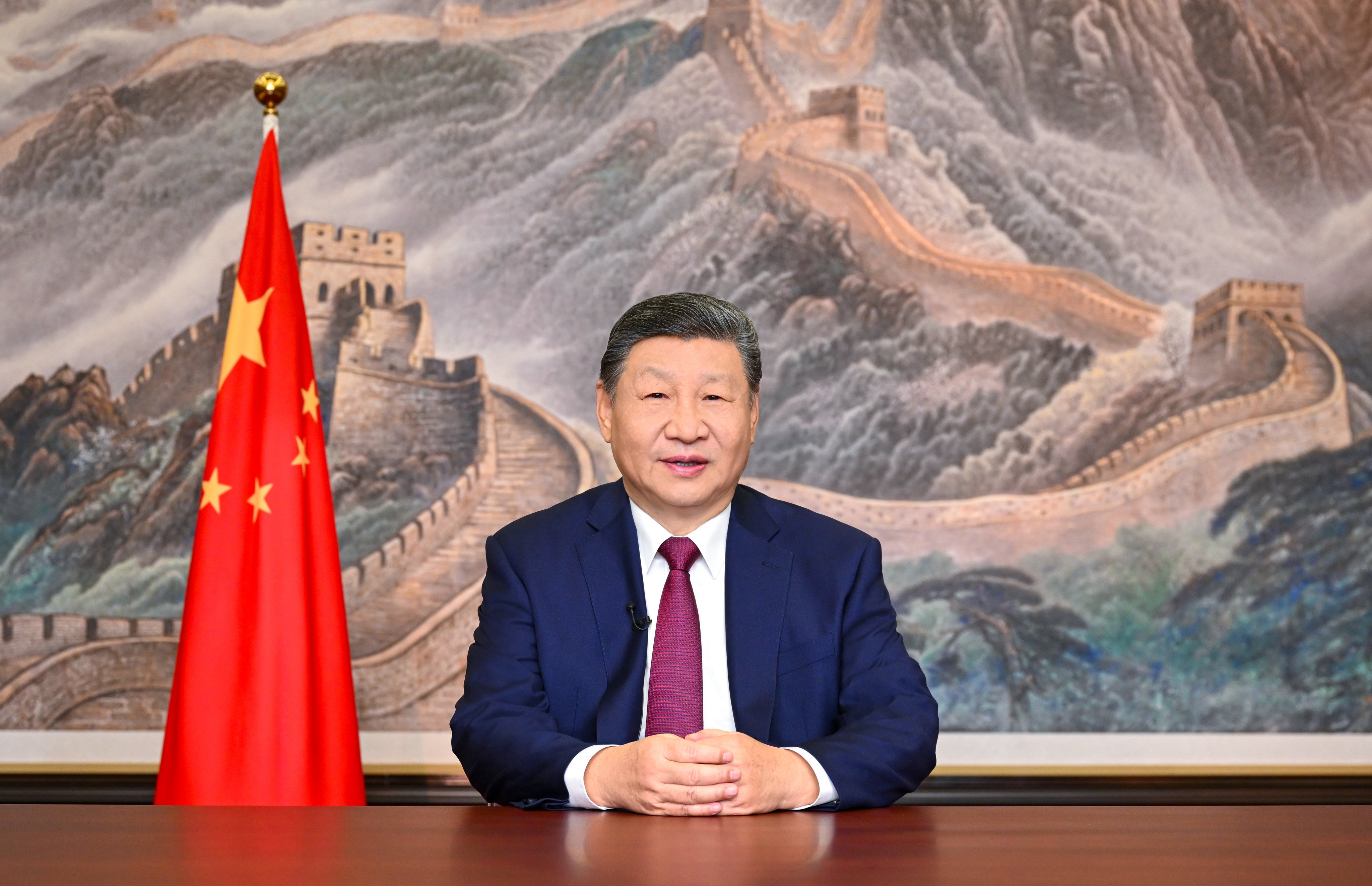
The debate over artificial intelligence often pits those who view the technology as a weapon of strategic monopoly against those who define it as a shared public good. During the 2026 World AI Conference, Beijing signaled its intent to lead the latter camp, framing AI as a tool for universal progress rather than a mechanism for geopolitical exclusion.
Central to this strategy is an aggressive push for open-source development. China recently released the Kimi K3, a model boasting 2.8 trillion parameters, claiming the title of the world’s largest open-source model. With cumulative global downloads of Chinese models exceeding 10 billion, Beijing is leveraging competitive pricing and accessibility to integrate its technology into international markets. This open-source philosophy is backed by the new AI+ International Cooperation Initiative, which aims to standardize rules across eight sectors.
While promoting expansion, the government is simultaneously institutionalizing rigorous safety protocols. Through the release of its AI safety governance frameworks, China has mandated that developers integrate risk assessment and ethical classification throughout the lifecycle of any model. This balancing act—pushing for rapid, open-source innovation while maintaining strict human control—is now being exported to developing nations. The formation of the World AI Cooperation Organization, featuring 38 founding member nations, underscores China’s ambition to move beyond domestic policy and establish a multilateral framework that competes with Western regulatory norms.



Comments (0)
No comments yet. Be the first!