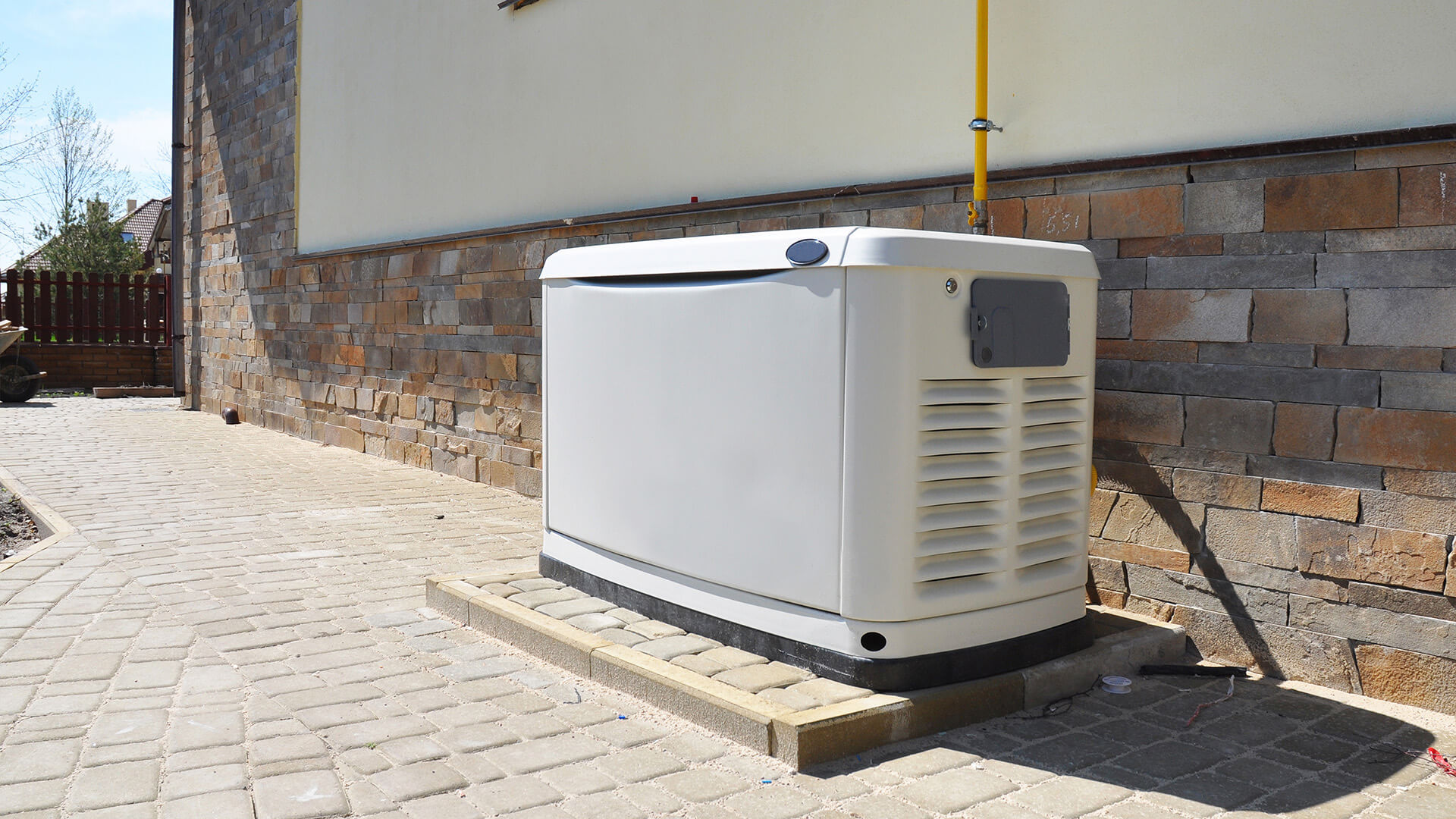
The core issue lies in ignoring national and local electrical codes. Shaver notes that systems frequently suffer from poor ventilation and incorrect fuel line sizing, which causes engines to struggle or overheat. Placing units too close to windows or beneath rooflines where ice accumulates creates secondary hazards, turning a backup power source into a liability. A generator must sit on a stable, level pad with specific clearances to prevent exhaust from drifting into living spaces or snow from blocking essential vents.
Electrical integrity remains the most critical hurdle. Without a properly rated transfer switch, a generator can backfeed electricity into the public grid, endangering utility workers. Factory-authorized dealers mitigate these risks by verifying grounding, switch capacity, and wiring to meet professional standards. Beyond safety, professional oversight protects the homeowner’s financial investment, as faulty DIY setups often void manufacturer warranties and complicate insurance claims. In the harsh climate of Northern New York, expert installation is the only way to ensure the system actually functions when the grid goes dark.



Comments (0)
No comments yet. Be the first!