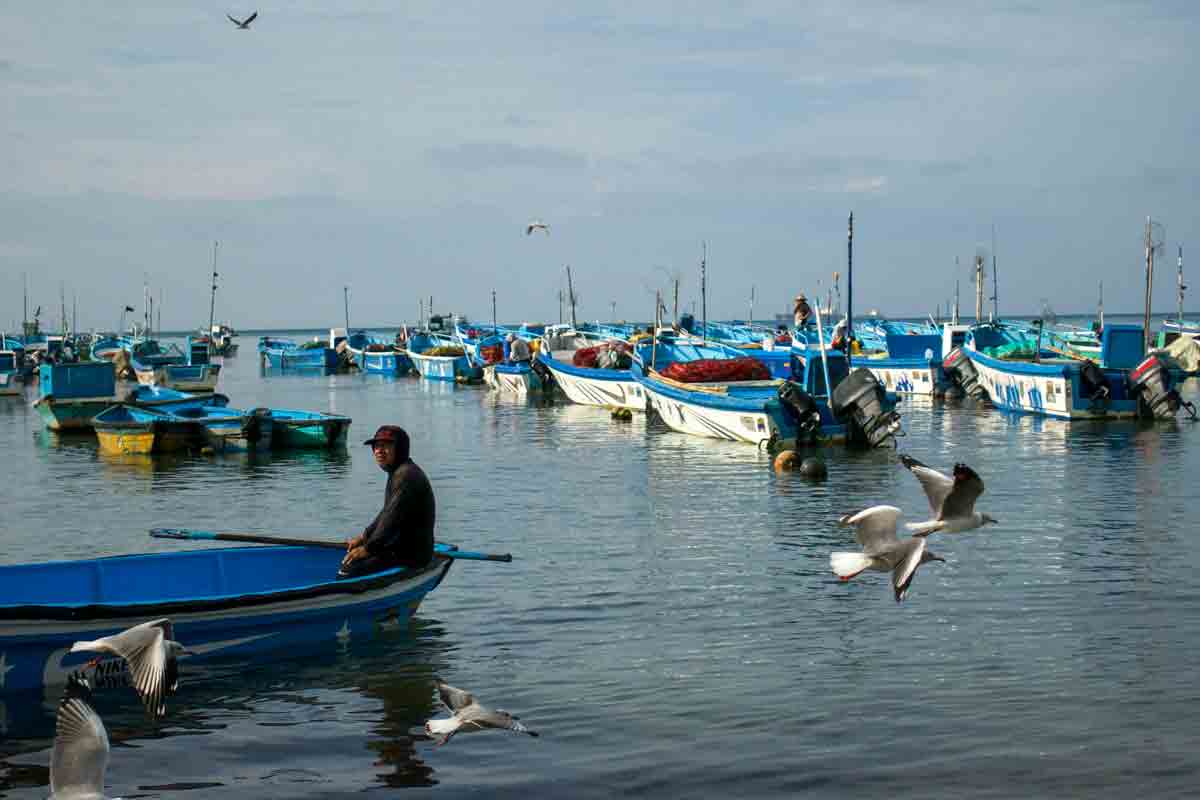
The attacks follow a disturbing pattern: drones circle fishing vessels before the boats are bombed or their crews are detained by unidentified personnel. Survivors describe captors wearing uniforms with American flag patches, yet lacking official insignia. In several instances, these survivors were held at gunpoint, hooded, and ultimately handed over to the Salvadoran navy, which operates in the region under broader counternarcotics mandates.
Flight data analysis reveals that a maritime patrol aircraft tracked the vessels for days before the strikes. The plane, operating out of a facility in El Salvador, is registered to a private company with a mailing address at a UPS store in Virginia. This discrepancy has fueled skepticism among legal experts and human rights advocates, who question the legality and oversight of such private operations.
Brian Finucane, a former State Department lawyer, highlighted the absurdity of a military-linked campaign tied to a private mailbox. While the Pentagon maintains that U.S. Southern Command had no role in these specific incidents, the reality of 'Operation Southern Spear'—which has resulted in at least 220 deaths across 66 strikes—suggests a policy of aggressive, extrajudicial force. With the launch of 'Operation Total Extermination' and the deployment of U.S. ground troops in Ecuador, the line between official military action and unaccountable private contracting continues to blur, leaving families of the missing and the dead without recourse.



Comments (0)
No comments yet. Be the first!