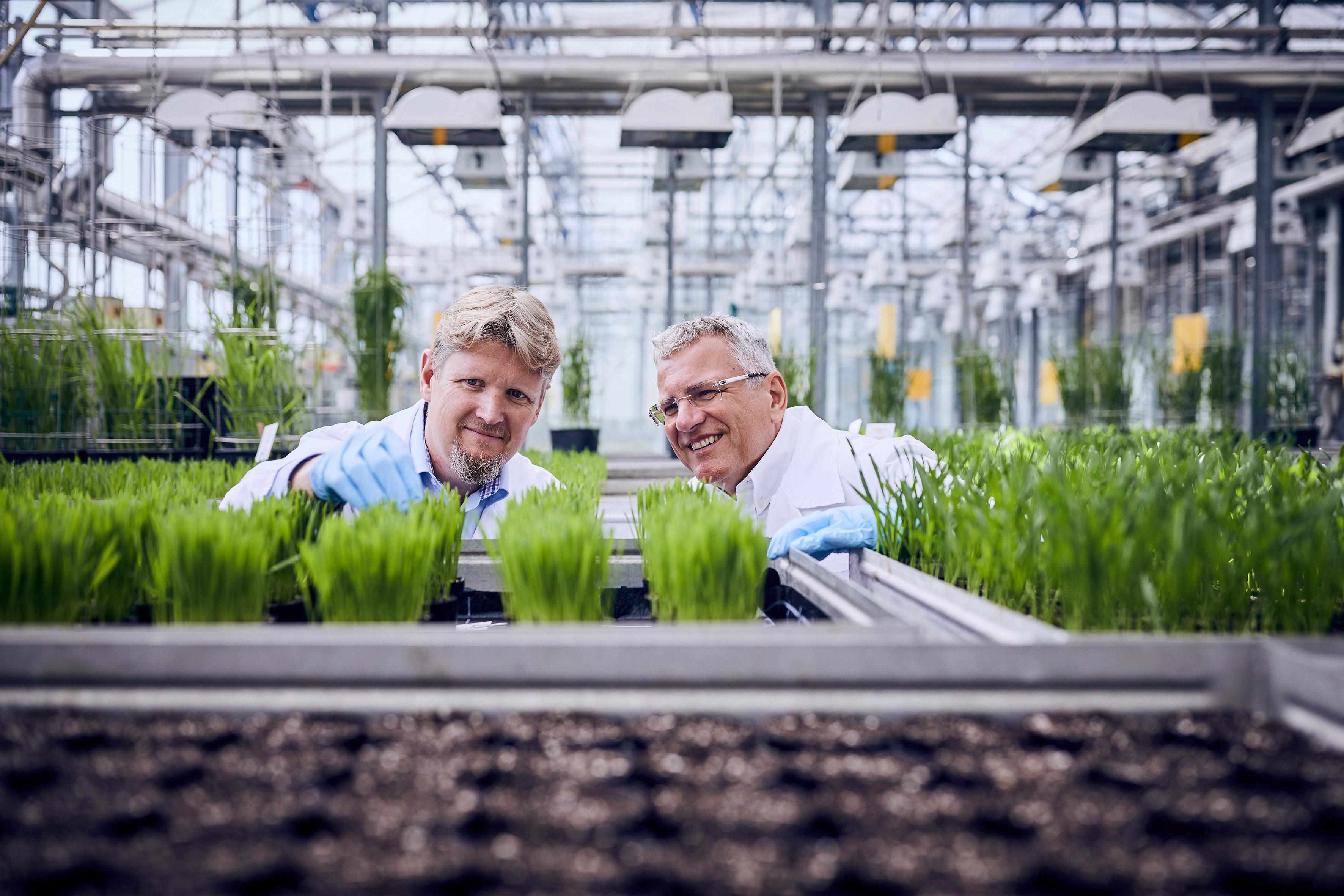
The facility will feature advanced climate chambers capable of precisely modulating temperature, humidity, and light. These controlled environments are designed to generate high-quality, reproducible data essential for the global registration of new crop protection products. By standardizing these conditions, the company expects to increase both its study capacity and overall planning reliability.
Beyond general ecotoxicology, specific chambers will focus on insecticide research. These areas will maintain stable insect populations for early-stage discovery programs, accelerating the development of future agricultural innovations. Melanie Bausen-Wiens, a member of the management board, characterized the project as a strategic move to integrate world-class research with the regulatory agility required to bring products to market more efficiently. This expansion reinforces the Limburgerhof site’s standing as a primary global hub for BASF’s agricultural R&D pipeline.



Comments (0)
No comments yet. Be the first!