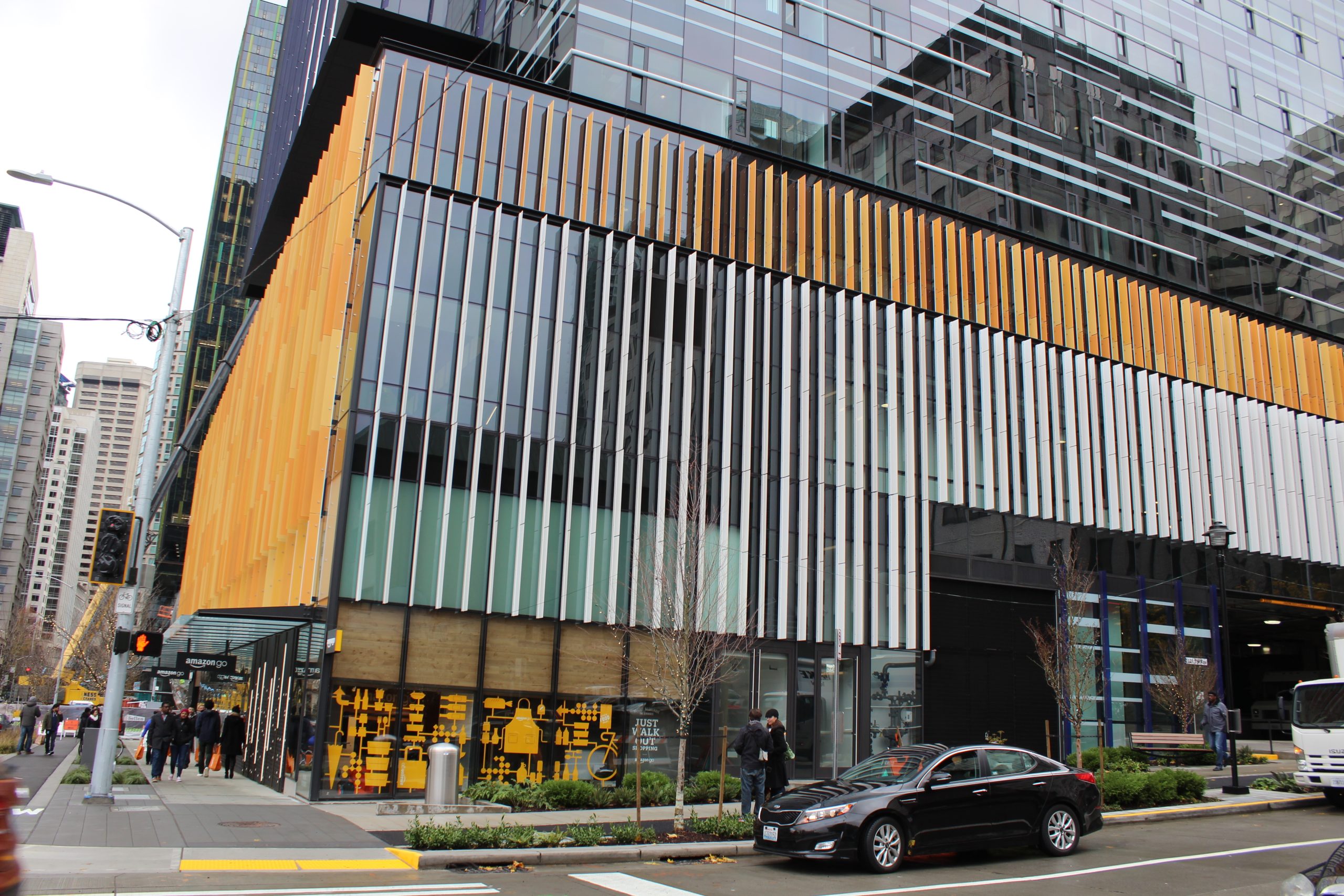
The narrative that autonomous retail failed ignores a fundamental shift in deployment. While Amazon struggled to find a viable economic model for its flagship grocery experiments, it simultaneously scaled its Just Walk Out technology across airports, stadiums, and corporate breakrooms. This strategy reflects a broader industry recognition: cashierless systems thrive in mission-driven, fast-paced environments where speed is the primary value proposition, rather than in the nuanced complexity of a weekly supermarket shop.
Companies like Reckon.ai, AiFi, and Trigo are now embedding this technology into existing fixtures like fridges and shelves, treating them as smart assets rather than standalone storefronts. This evolution has effectively moved the sector past the initial question of whether the technology works. Instead, the focus has settled on where it generates the most efficiency. As the sector matures, the headlines of yesterday—focused on the closure of specific retail banners—have been superseded by the reality of widespread, behind-the-scenes adoption in hospitals, campuses, and logistics hubs.


Comments (0)
No comments yet. Be the first!