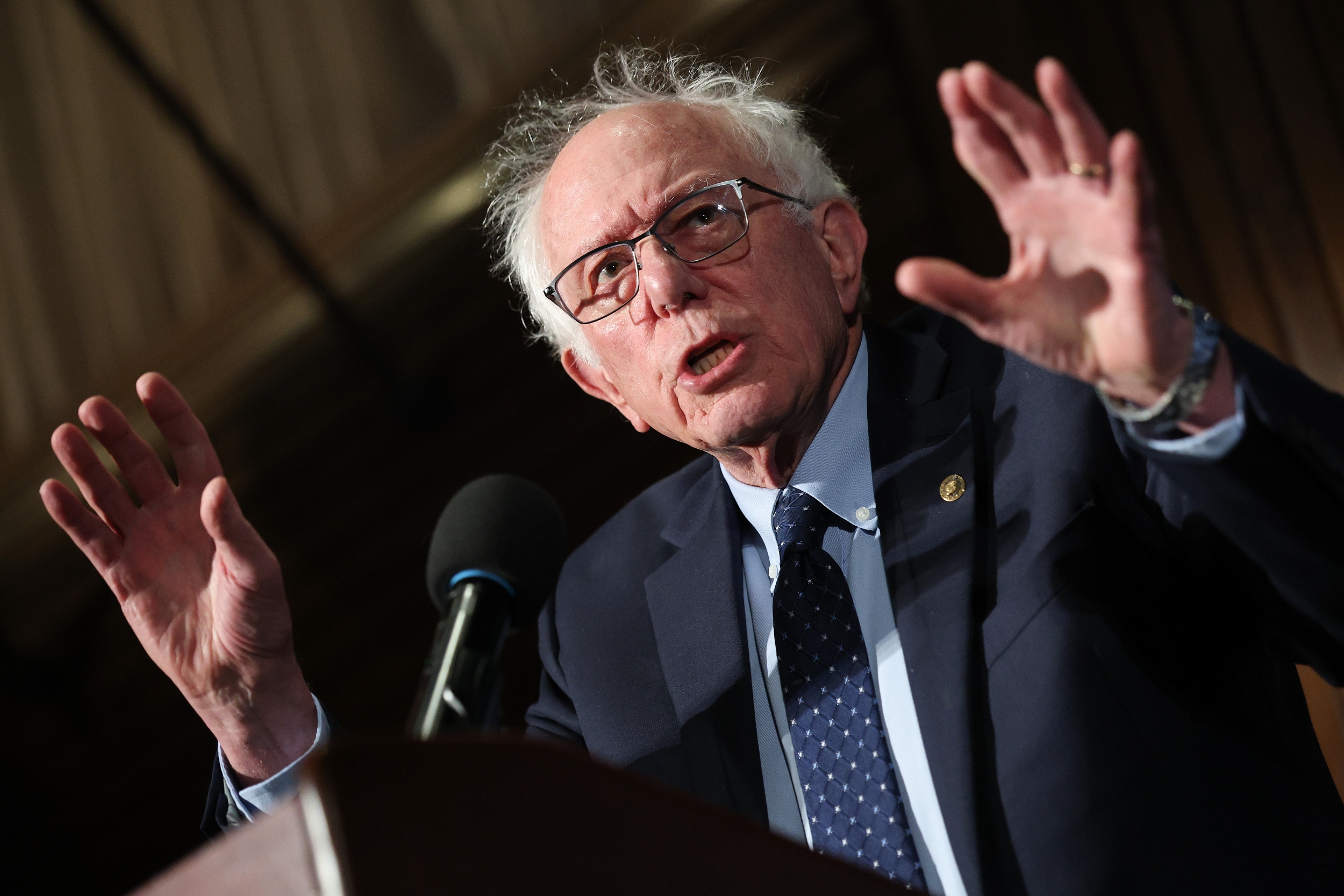
The proposed legislation would expand the existing Medicare program to every U.S. resident, covering primary, dental, vision, and mental healthcare without deductibles or copays. Proponents argue the shift is both a moral imperative and an economic necessity. While critics frequently cite high costs, a 2020 Congressional Budget Office analysis suggested the transition could save between $300 billion and $650 billion annually by reducing administrative overhead and streamlining services.
Support for the bill has reached historic levels, with over half of the House Democratic caucus signing on as co-sponsors. The push comes as pandemic-era assistance programs expire, leaving an estimated 15 million Americans vulnerable to losing coverage. Sen. Bernie Sanders, a long-time champion of the policy, emphasized that the United States remains the only major nation failing to guarantee healthcare as a basic human right. Advocacy groups, including Public Citizen and Social Security Works, are framing the bill as a direct challenge to the for-profit insurance industry, which saw profits exceed $69 billion last year while medical bankruptcies remain a persistent threat to families.


Comments (0)
No comments yet. Be the first!