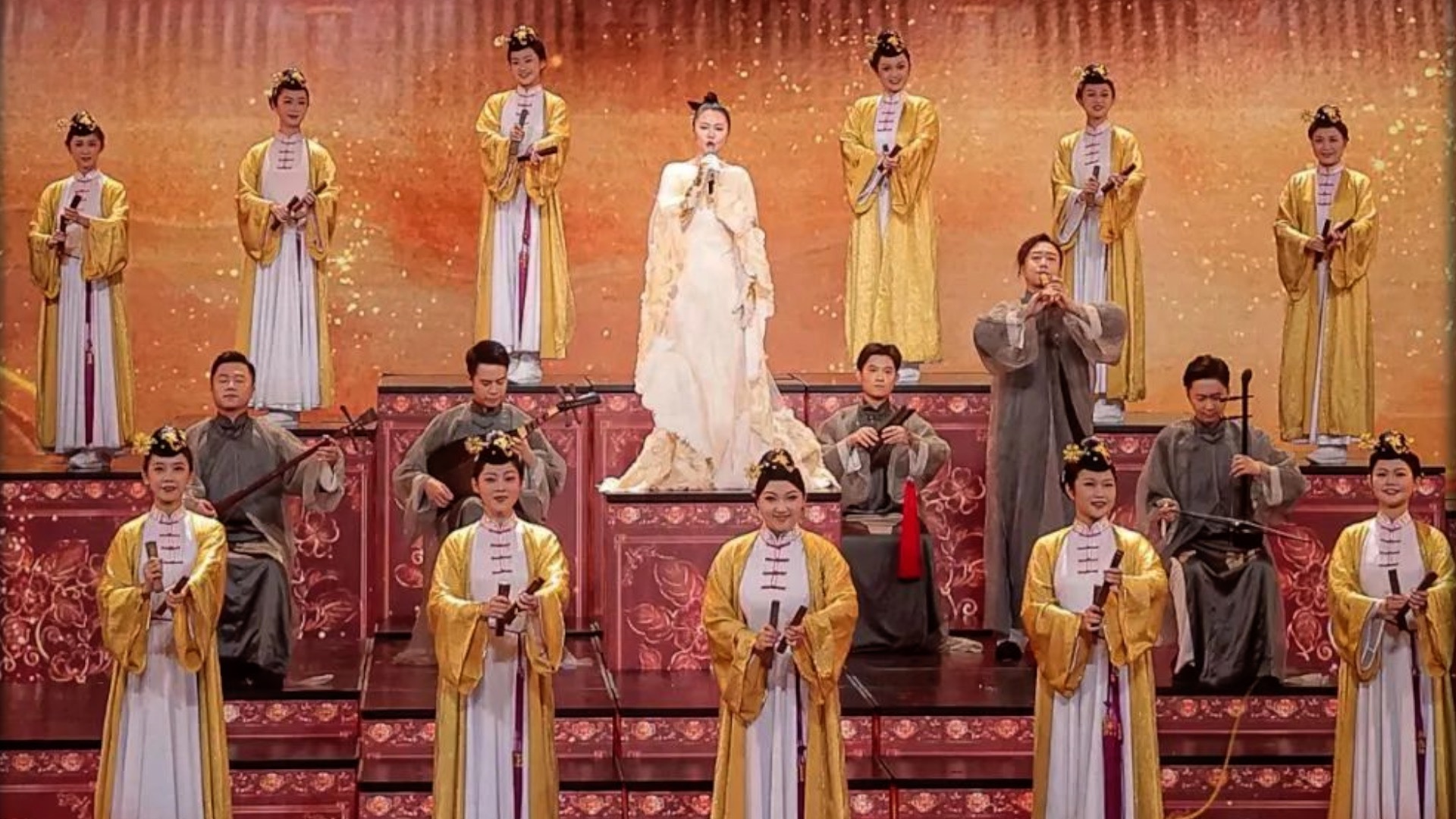
The city’s strategy centers on a holistic approach to urban renewal, ensuring that historic sites like the Dacheng Hall of Confucius Temple retain their original character while accommodating modern needs. This "living ancient city" model extends beyond mere aesthetics, as neighborhoods now integrate traditional performances—ranging from the ancient melodies of Nanyin to the intricate artistry of puppetry—directly into the public sphere.
This cultural revitalization has evolved into a formidable economic driver across several counties. In Anxi, the tea industry has expanded into comprehensive cultural tourism, while Yongchun has leveraged its traditional incense-making heritage to anchor wellness and creative product lines. Dehua, meanwhile, has successfully rebranded its white porcelain for contemporary global markets. These efforts yielded significant financial returns last year, with output values reaching 46.05 billion yuan for Anxi’s tea industry, 13.5 billion yuan for Yongchun’s incense clusters, and 76 billion yuan for Dehua’s ceramics. By treating heritage as a dynamic asset rather than a museum piece, Quanzhou has established a scalable blueprint for cultural-led urban development.



Comments (0)
No comments yet. Be the first!