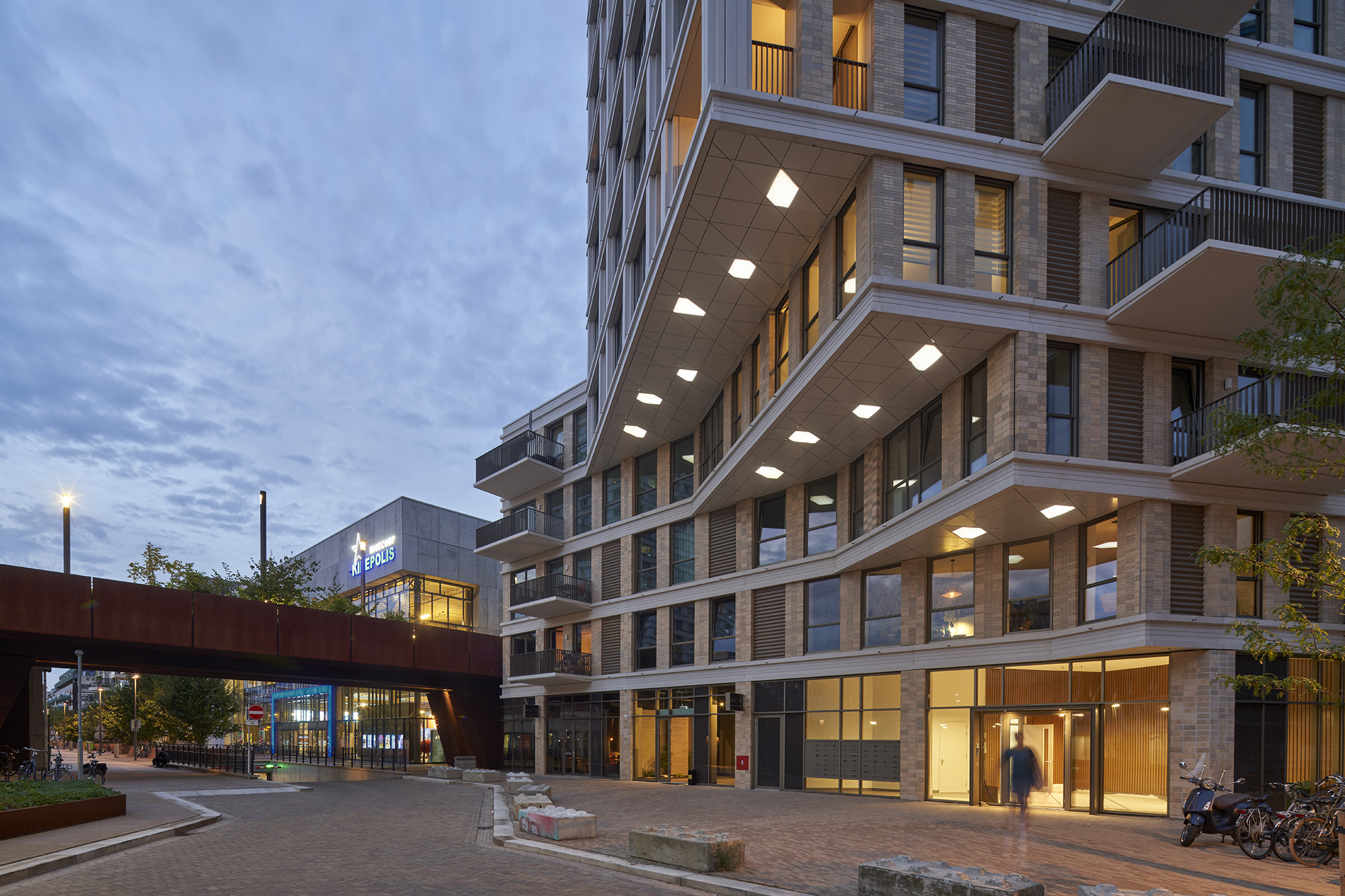
By layering apartments above retail or office space, owners create a self-sustaining ecosystem that appeals to modern renters seeking walkability. This structure provides a financial safety net; if commercial leasing softens, residential demand often holds steady, balancing cash flow across the property. Neighborhoods near the city center and local universities currently serve as the primary hubs for this development trend, driven by residents who prioritize proximity to services.
However, these projects demand rigorous due diligence. Financing remains a hurdle, as lenders frequently apply stricter commercial terms, including higher down payments. Beyond capital, investors must navigate complex zoning regulations and carefully curate a tenant mix to ensure the ground-floor business complements, rather than disrupts, the living experience above. Success hinges on site analysis—addressing everything from parking availability to the structural integrity of older buildings—to ensure the property remains competitive in a tightening market.


Comments (0)
No comments yet. Be the first!