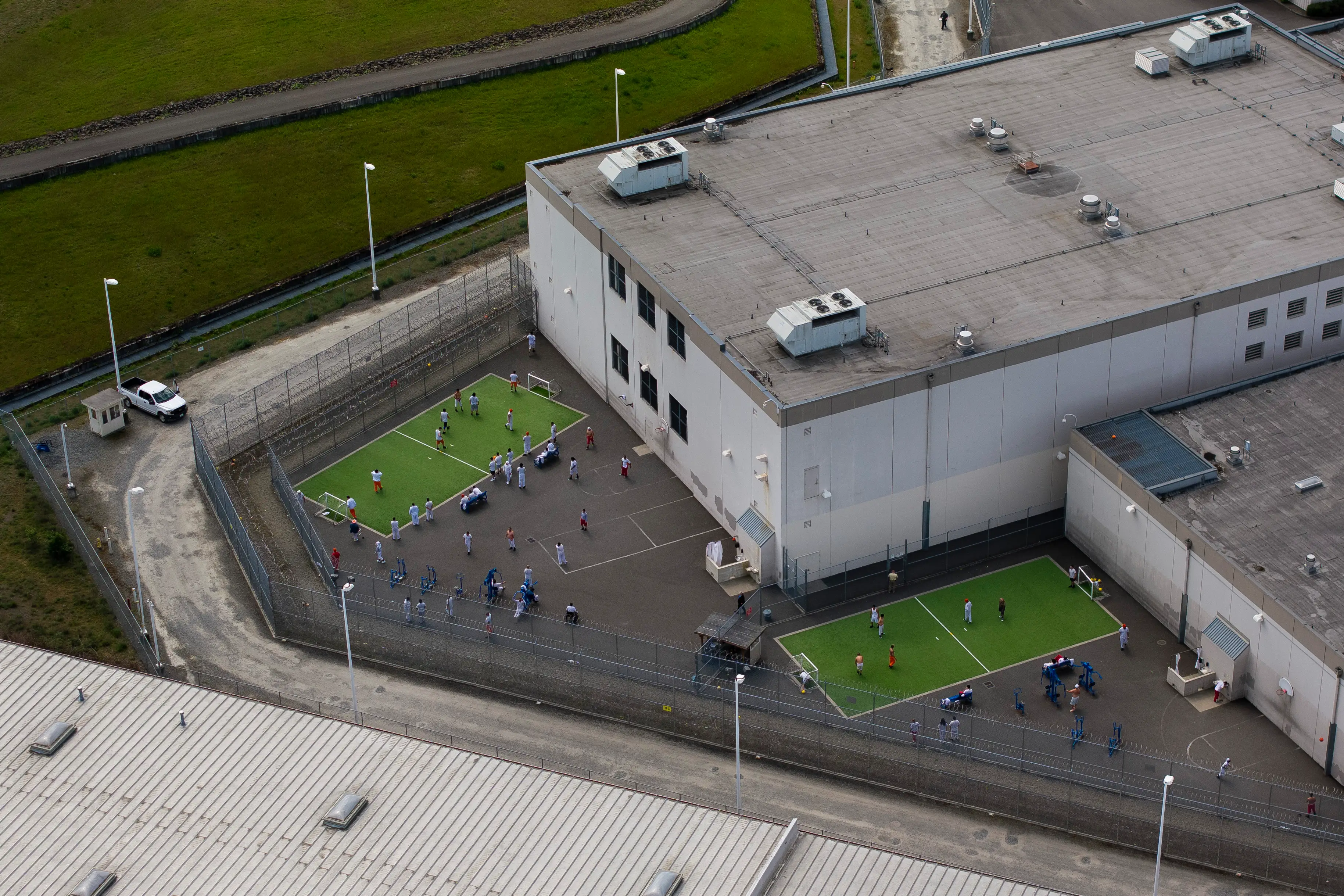
Choli, an Iranian-born director who sought asylum in the United States in 2022, found himself in a cycle of physical trauma after being arrested during a routine check-in in February 2025. Transferred to the Port Isabel Service Processing Center, he was placed in solitary confinement and subjected to involuntary feeding protocols authorized by a federal judge. Court records confirm lasting damage to his sinuses, esophagus, and stomach, injuries that Dr. Chanelle Diaz of Columbia University characterizes as torture rather than medical care.
While the Department of Homeland Security maintains these measures are necessary to prevent life-threatening harm, the practice stands in stark contrast to the World Medical Association’s Declaration of Malta, which advises against force-feeding competent hunger strikers. Choli, who was deported to Canada in January, remains physically scarred. He describes his ordeal not merely as a medical intervention, but as a deliberate attempt to dismantle his resistance. His experience reflects a broader pattern of reported abuses within the US immigration detention system, where hunger strikes are frequently met with coercive force rather than addressed as expressions of political or humanitarian dissent.

Comments (0)
No comments yet. Be the first!