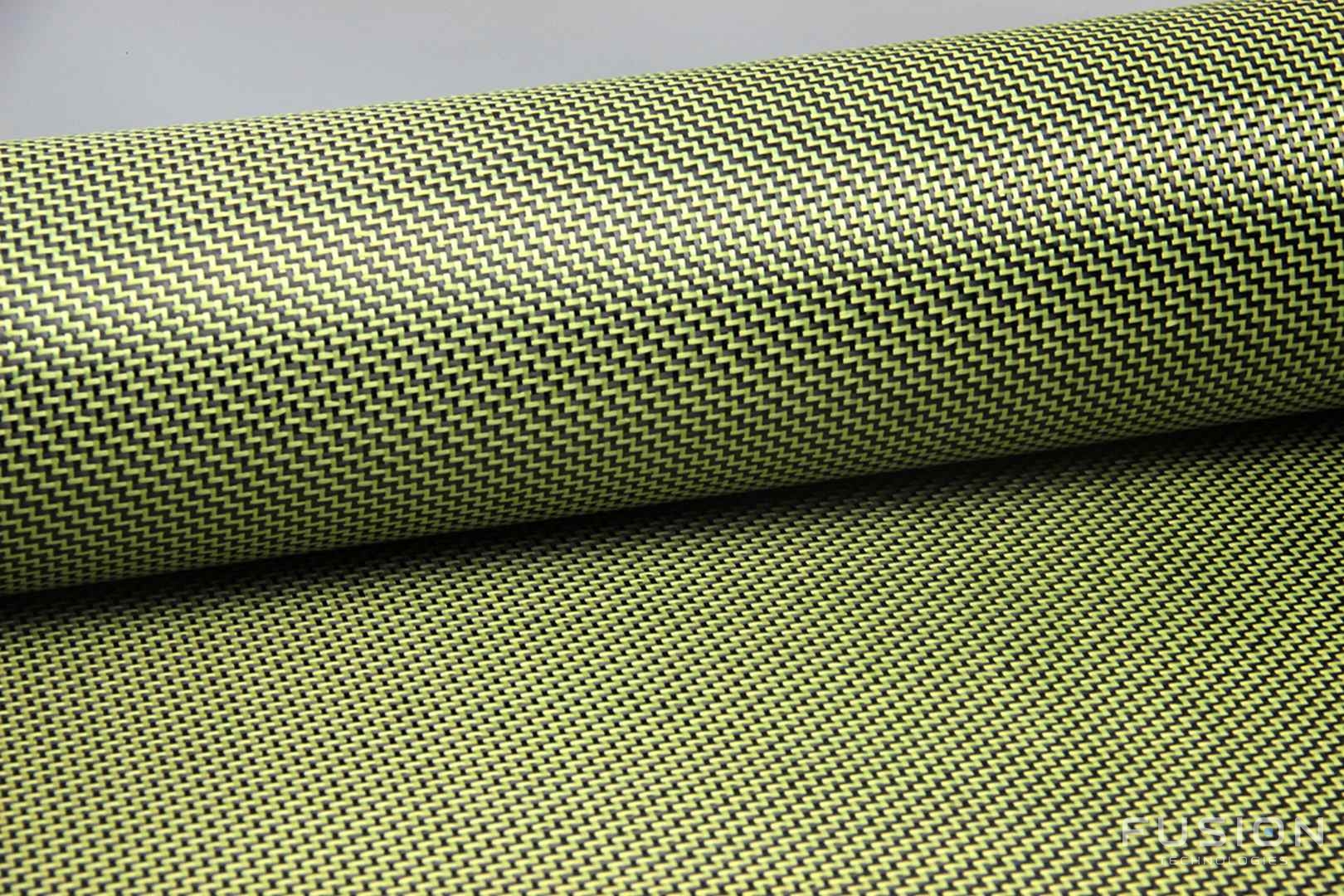
The research team applied silicone-based coatings infused with zirconium oxide nanoparticles to glass fiber, carbon fiber, and Kevlar substrates. By modifying both sides of these 1-2 mm-thick materials, the scientists achieved solar reflectance rates between 92.8% and 96.5%, alongside infrared emissivity exceeding 95%. In comparative tests under direct sunlight, the coated glass fiber fabric remained 8.3°C cooler than standard cotton.
Beyond basic cooling metrics, the team prioritized material resilience for professional use. The textiles retained their optical and thermal properties after exposure to open flames and repeated wash cycles. The study suggests that optimizing near-infrared reflectance is the most effective strategy for stabilizing temperatures in hazardous conditions. These findings provide a technical foundation for developing advanced personal protective equipment that remains breathable and water-resistant without sacrificing heat dissipation capabilities.



Comments (0)
No comments yet. Be the first!