Glaucoma functions as a progressive condition that silently damages the optic nerve. In its most common form, open-angle glaucoma, the disease chips away at peripheral vision while central sight remains deceptively clear. This allows patients to navigate daily life unaware that their visual field is narrowing. While subtle shifts—such as difficulty adjusting to dim light—can occur, many patients experience no warning signs at all until significant harm has taken hold.
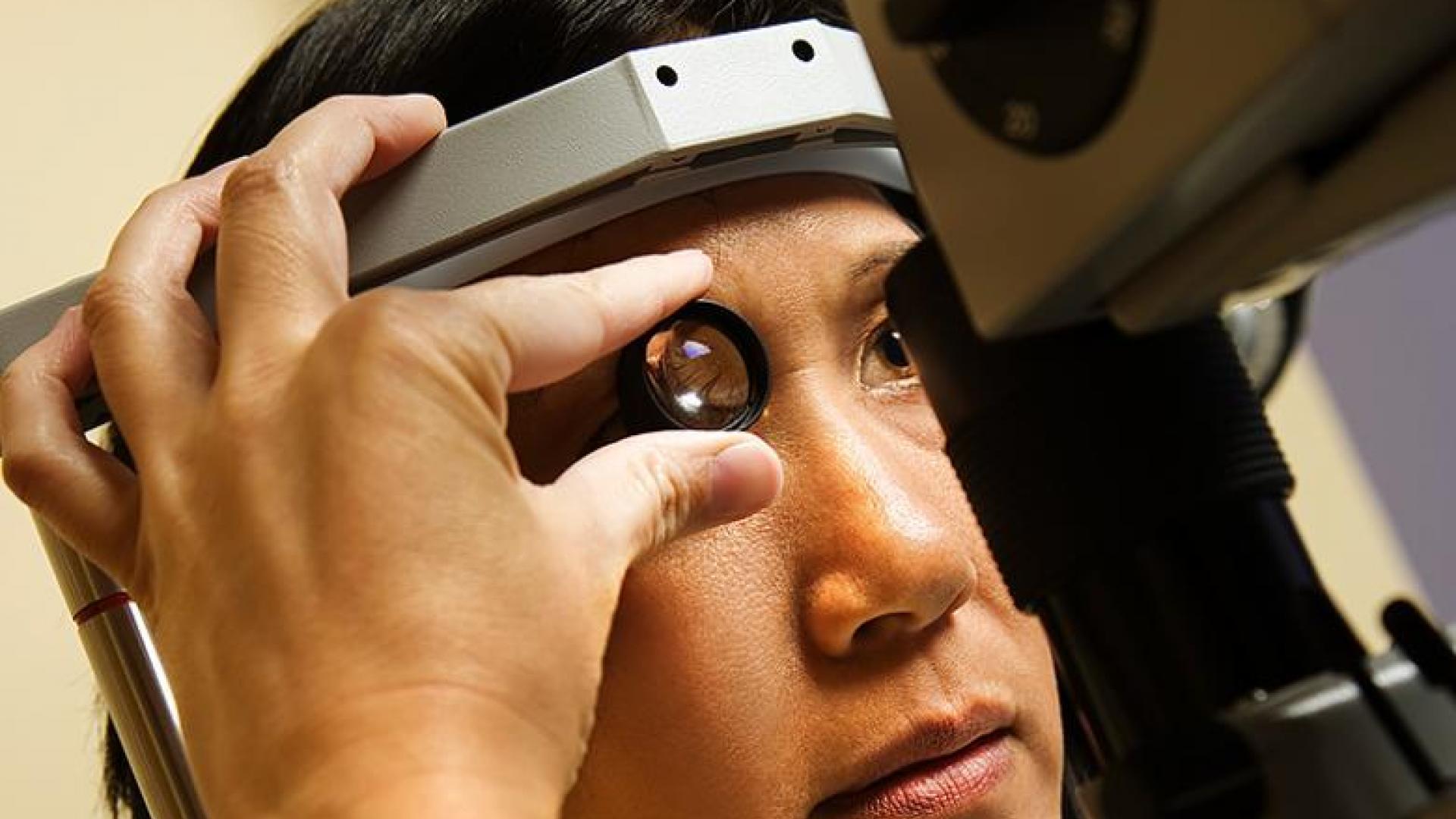
Risk factors extend beyond age, including family history, elevated eye pressure, diabetes, and past eye injuries. Dr. Franz stresses that individuals over 40 must prioritize routine screenings, as the disease does not discriminate based on visible symptoms. During these exams, optometrists measure eye pressure and inspect the optic nerve, often using imaging to track structural changes over time that would otherwise go unnoticed.
While glaucoma remains incurable, early intervention preserves remaining sight. Standard treatment begins with prescription eye drops to manage internal eye pressure, though laser procedures or surgery may be required for advanced cases. Because the disease is degenerative, consistency is the primary tool for long-term management. Skipping appointments or medication allows the condition to advance, directly threatening a patient’s independence, mobility, and driving safety. Viewing eye exams as a preventative habit rather than a reactive measure is the only way to intercept the disease before it compromises quality of life.


Comments (0)
No comments yet. Be the first!