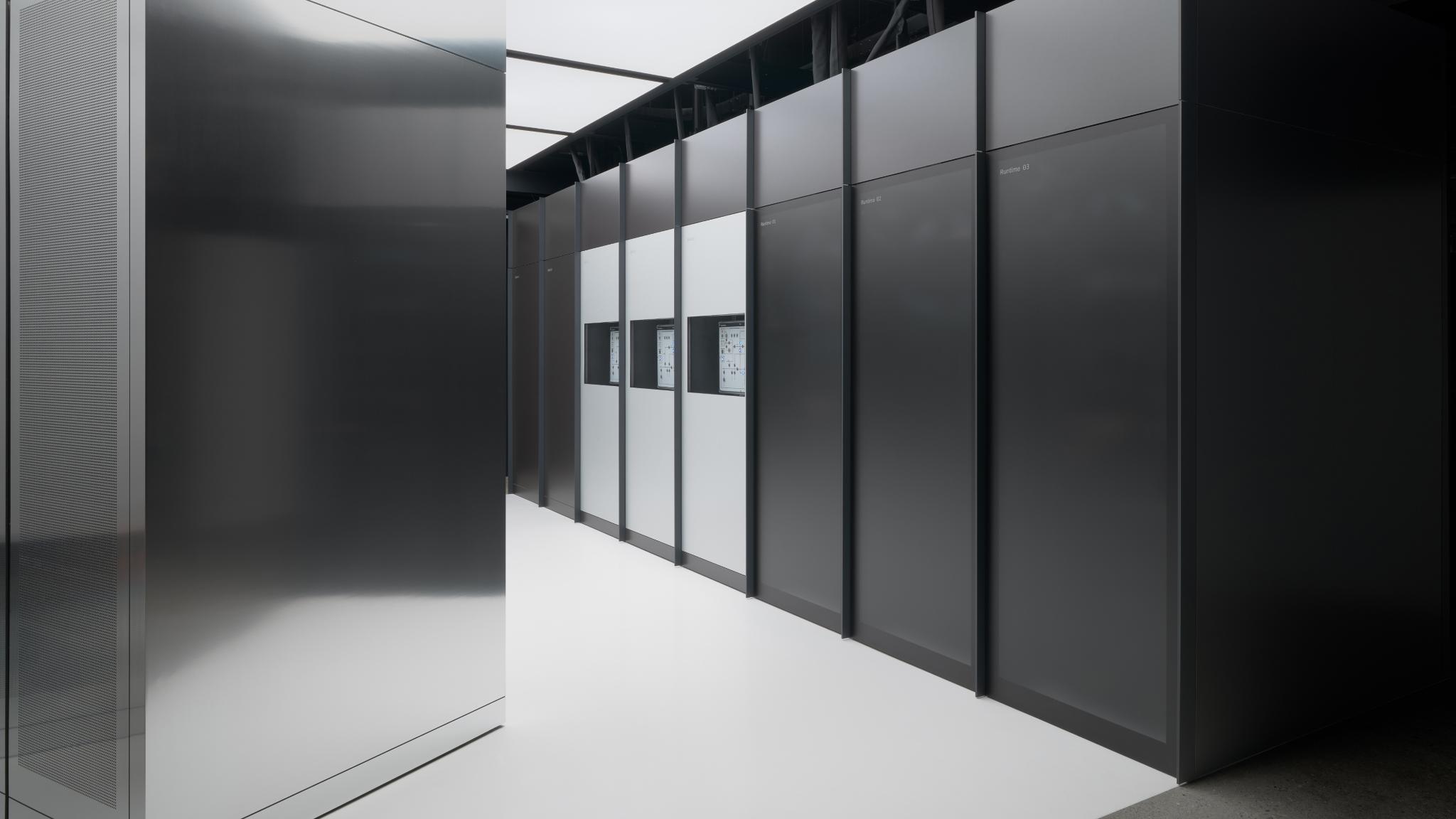
The breakthrough centers on a new error-correction method that allows quantum systems to maintain accuracy while performing highly complex operations. Unlike previous tests that struggled to prove the correctness of a quantum output, this experiment used a structured approach to detect errors in real time. The team executed 2,415 logical two-qubit operations and 468 logical T gates, achieving error rates ten times lower than the underlying physical hardware.
Bill Fefferman, an associate professor at the University of Chicago, noted that verification remains the primary barrier to proving quantum superiority. By characterizing the fidelity of quantum states under noise, the researchers have created a blueprint for future practical applications. Jay Gambetta, director of IBM Research, described the result as a transition into a new era where businesses can begin to rely on quantum systems for problems that remain fundamentally out of reach for classical architectures. The full data from these circuits is now available to the public via the Quantum Advantage Tracker.



Comments (0)
No comments yet. Be the first!