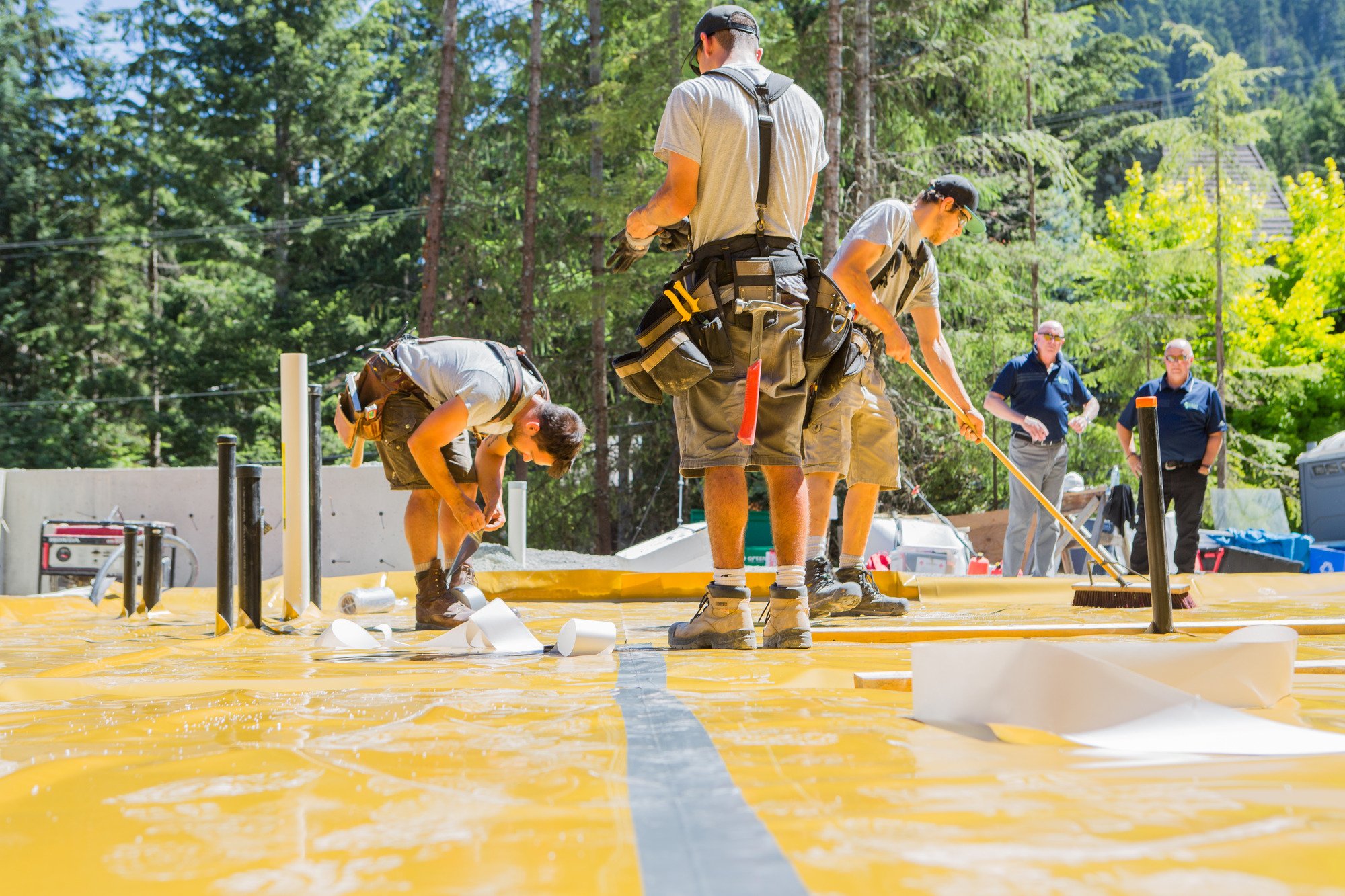
The standard federal action point of 4 pCi/L serves as a regulatory benchmark rather than a definitive safety threshold. Because no level of radon exposure is entirely risk-free, specialized mitigation firms are increasingly pushing for targets closer to 2.7 pCi/L. Achieving these lower levels demands a departure from one-size-fits-all installations in favor of site-specific engineering.
System performance hinges on the interplay between design, airflow capacity, and environmental adaptation. Effective mitigation relies on precise pipe layout and fan selection to maintain consistent sub-slab pressure. Systems lacking sufficient airflow capacity often fail to sustain reduced levels when faced with seasonal shifts or changes in indoor air pressure. Certified professionals must evaluate these variables during the installation phase to ensure that a guarantee reflects a system's long-term reliability rather than a fleeting, post-installation test result. Homeowners are encouraged to prioritize firms that demonstrate a technical commitment to these deeper reductions.



Comments (0)
No comments yet. Be the first!