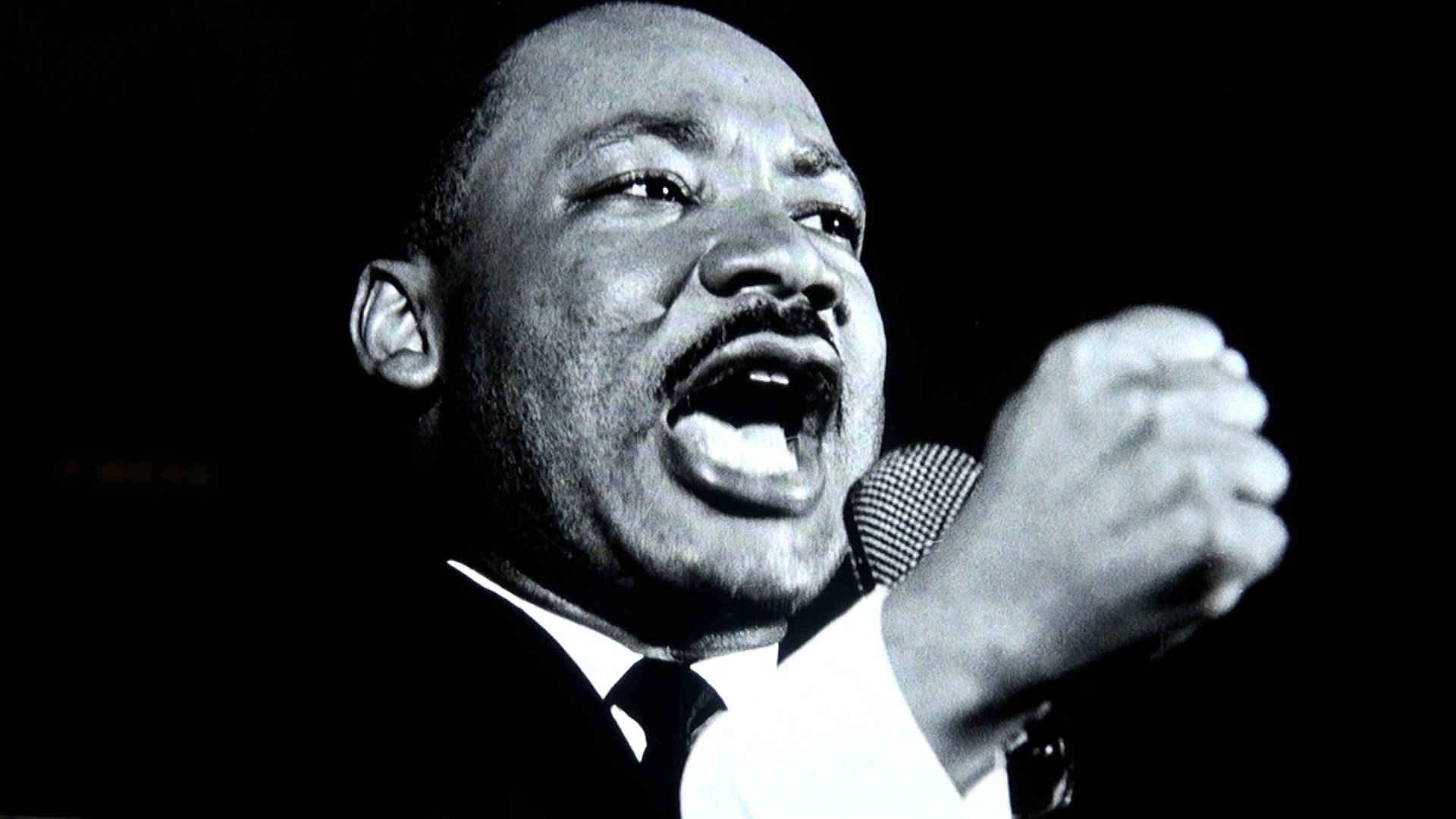
The newly public records, accessible through the National Archives, include internal FBI memos, investigation notes, and details surrounding James Earl Ray’s alleged involvement. Despite the volume of data, many documents remain heavily redacted. The release was authorized under Executive Order 14176, which mandates the digitization and declassification of federal files concerning the assassinations of King and the Kennedy brothers.
Members of the King family issued a formal response, requesting empathy and restraint as they process the findings. They reiterated their long-standing position that Ray was a scapegoat in a broader conspiracy, noting they will review the files to see if any new light is shed on the tragedy that has haunted their family for over 57 years. Historically, these records touch on the FBI's intense surveillance of the civil rights leader, a campaign that included wiretapping and attempts to discredit him during his vocal opposition to the Vietnam War.
Political observers and advocacy groups were quick to draw comparisons to the administration's handling of the Jeffrey Epstein case. Figures across the political spectrum, including Bernice King, have challenged the White House to demonstrate similar transparency regarding the financier's records. The release has sparked a fierce debate over whether the administration is attempting to pivot public attention away from its broken promises concerning the Epstein archive.


Comments (0)
No comments yet. Be the first!