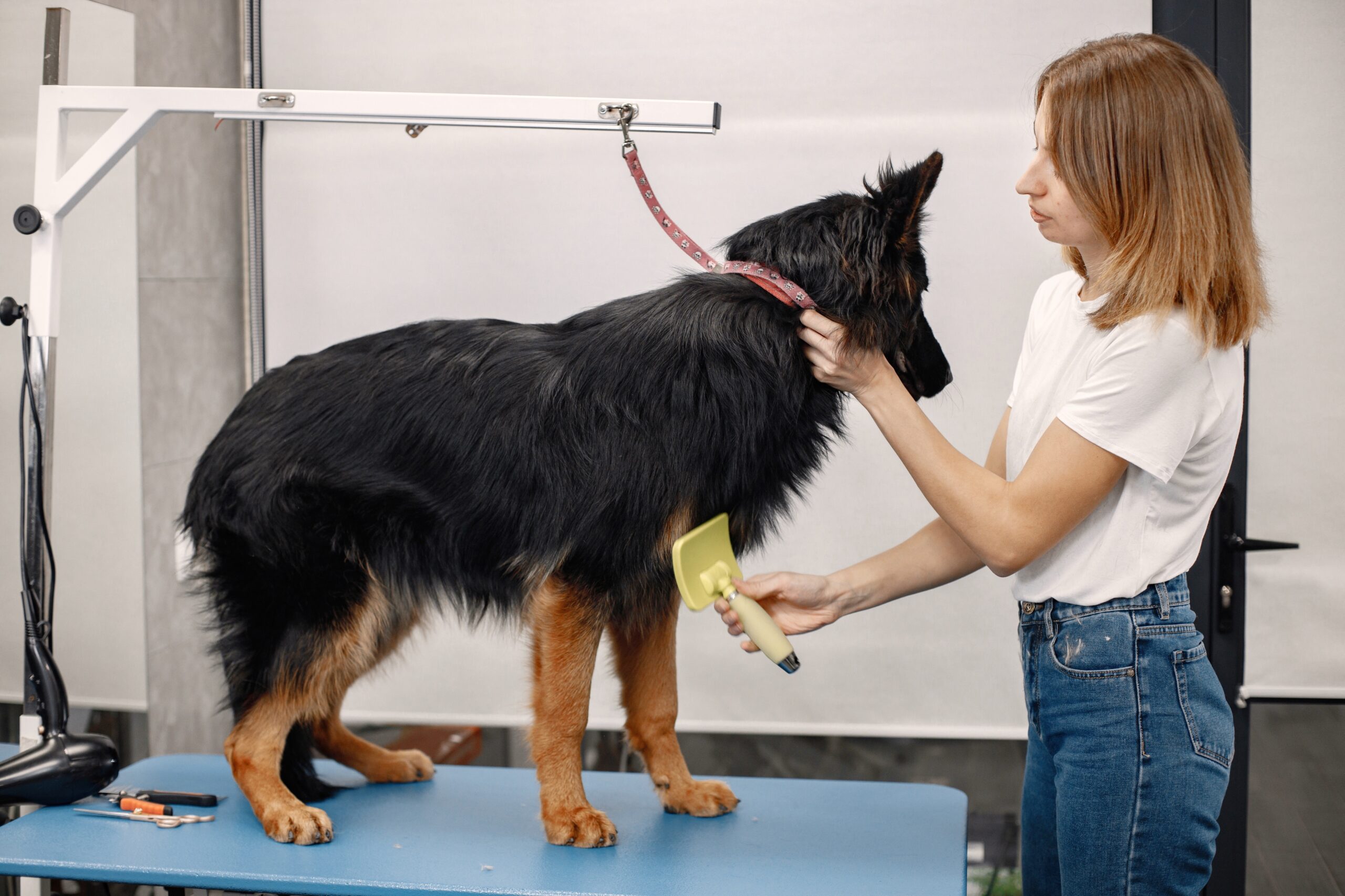
Grooming requires more than just arrival; it demands a proactive approach to a pet's health and behavior. Vaccination status serves as the first priority, as facilities require proof of core immunizations—including rabies, distemper, parvovirus, and bordetella—at least ten days before the visit to maintain a safe environment for all animals.
Physical readiness significantly impacts the pet's temperament. Owners should ensure their pets have had a bathroom break prior to arrival to prevent accidents and reduce anxiety. Feeding schedules also matter: a light meal provided two to three hours before the appointment prevents nausea and discomfort during handling. For animals with specific skin conditions or allergies, bringing personal grooming products is encouraged to maintain continuity of care, even if the facility applies a small surcharge for their use.
Communication with staff remains the most effective tool for a positive outcome. Providing visual references for desired cuts helps align expectations, while transparent disclosure regarding behavioral issues, musculoskeletal limitations, or grooming aversions allows handlers to adjust their techniques. Whether requesting specialized trims or inquiring about supplementary services like dental care or nail trimming, clear preparation transforms a routine chore into a thoughtful practice that prioritizes the well-being of the animal.


Comments (0)
No comments yet. Be the first!