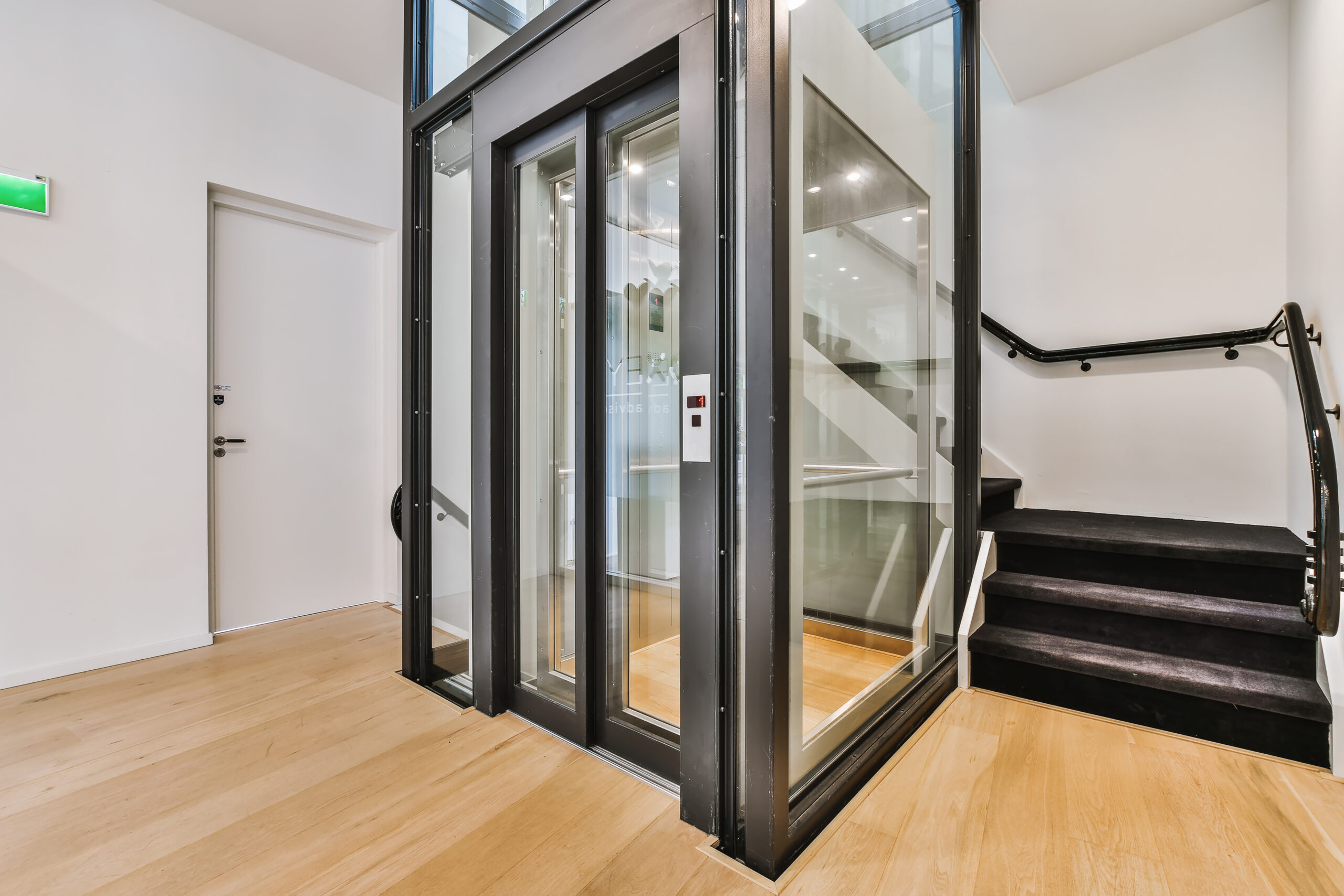
Modernization remains the primary engine for this expansion. As urban centers grapple with aging building stock, property owners are increasingly opting for hydraulic systems to meet stringent safety and accessibility mandates. These elevators are particularly favored in low- and mid-rise developments, where their relatively simple architecture allows for installation without requiring extensive structural overhauls.
North America currently holds a dominant 39.7% market share, supported by robust regulatory frameworks like the Americans with Disabilities Act. Meanwhile, the Asia Pacific region is emerging as the fastest-growing territory, fueled by rapid urbanization and the proliferation of mid-rise residential construction in markets such as India and China. Hole-less hydraulic models are leading the product landscape with a 41.2% share, prized for their installation efficiency.
Consolidation is also reshaping the industry landscape. In June 2026, KONE shareholders approved a $34 billion acquisition of TK Elevator. This deal, expected to trigger significant regulatory scrutiny over the next 18 months, underscores a broader trend toward digital integration and lifecycle maintenance services. Major players like Otis, Schindler, and Mitsubishi Electric are pivoting toward these recurring revenue models, emphasizing predictive maintenance and energy-efficient technologies to secure long-term client retention in a competitive global environment.


Comments (0)
No comments yet. Be the first!