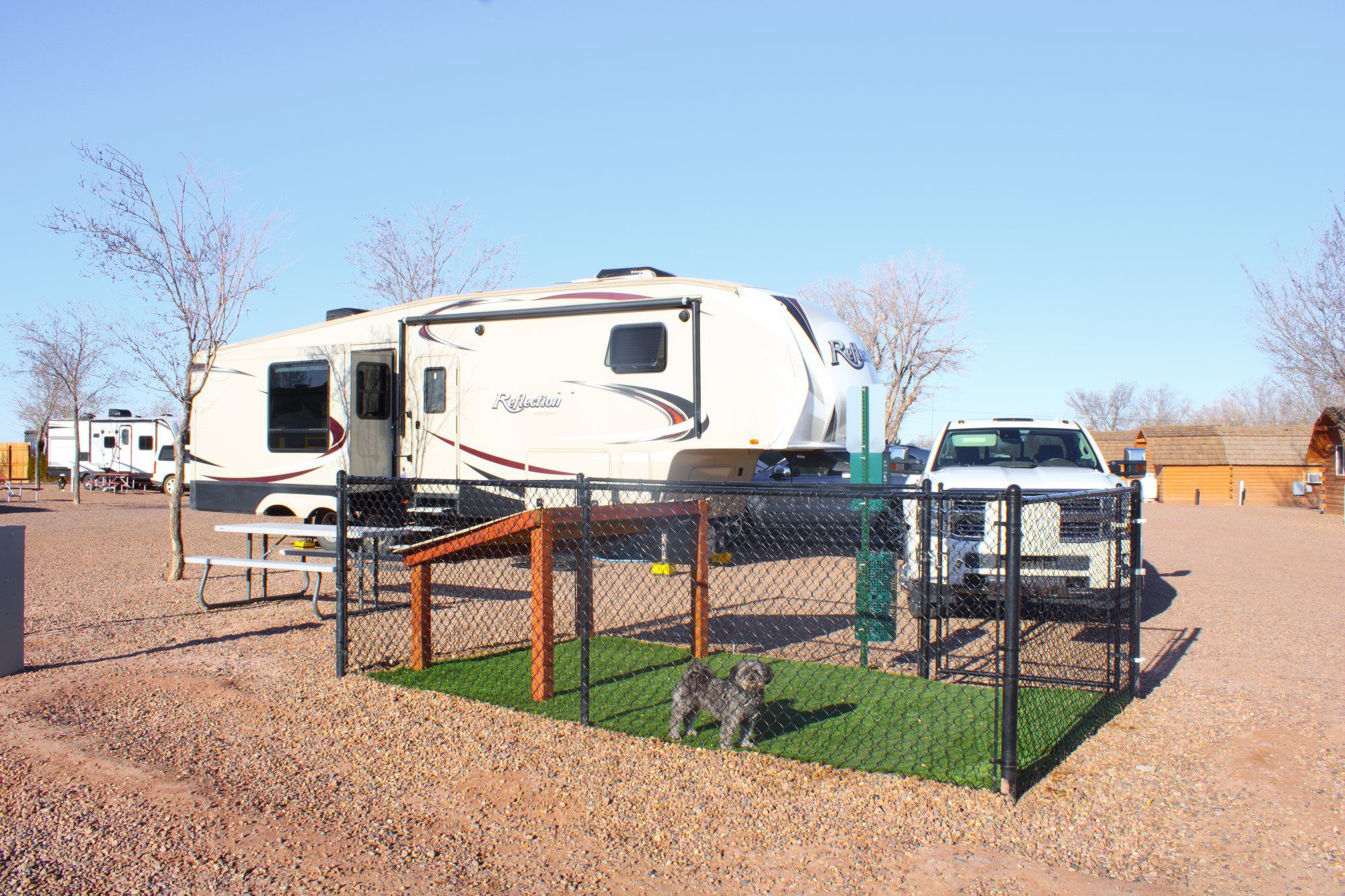
Beyond simply checking if a facility allows animals, travelers must scrutinize specific constraints before committing to a long-term booking. Brown emphasizes that campgrounds vary wildly in their approach to pet management, with many imposing strict limitations on animal size, breed, or total count per site. Verifying these rules in advance prevents arrival-day disputes and ensures the site can actually support the traveler’s specific needs.
Practical infrastructure plays a decisive role in daily comfort. Sites offering dedicated, fenced exercise areas provide a significant advantage over those requiring constant leashing, as they allow pets to maintain healthier activity levels. Similarly, the presence of accessible waste stations and shaded walking paths directly impacts the quality of life during multi-week stays. Brown also notes that the physical layout of the campground matters; wider sites offer necessary buffer zones, reducing the stress pets often experience in high-traffic or noisy environments. Before finalizing a reservation, she advises consulting peer reviews from other pet owners, which frequently reveal the reality of noise levels and facility maintenance that promotional materials often omit.



Comments (0)
No comments yet. Be the first!