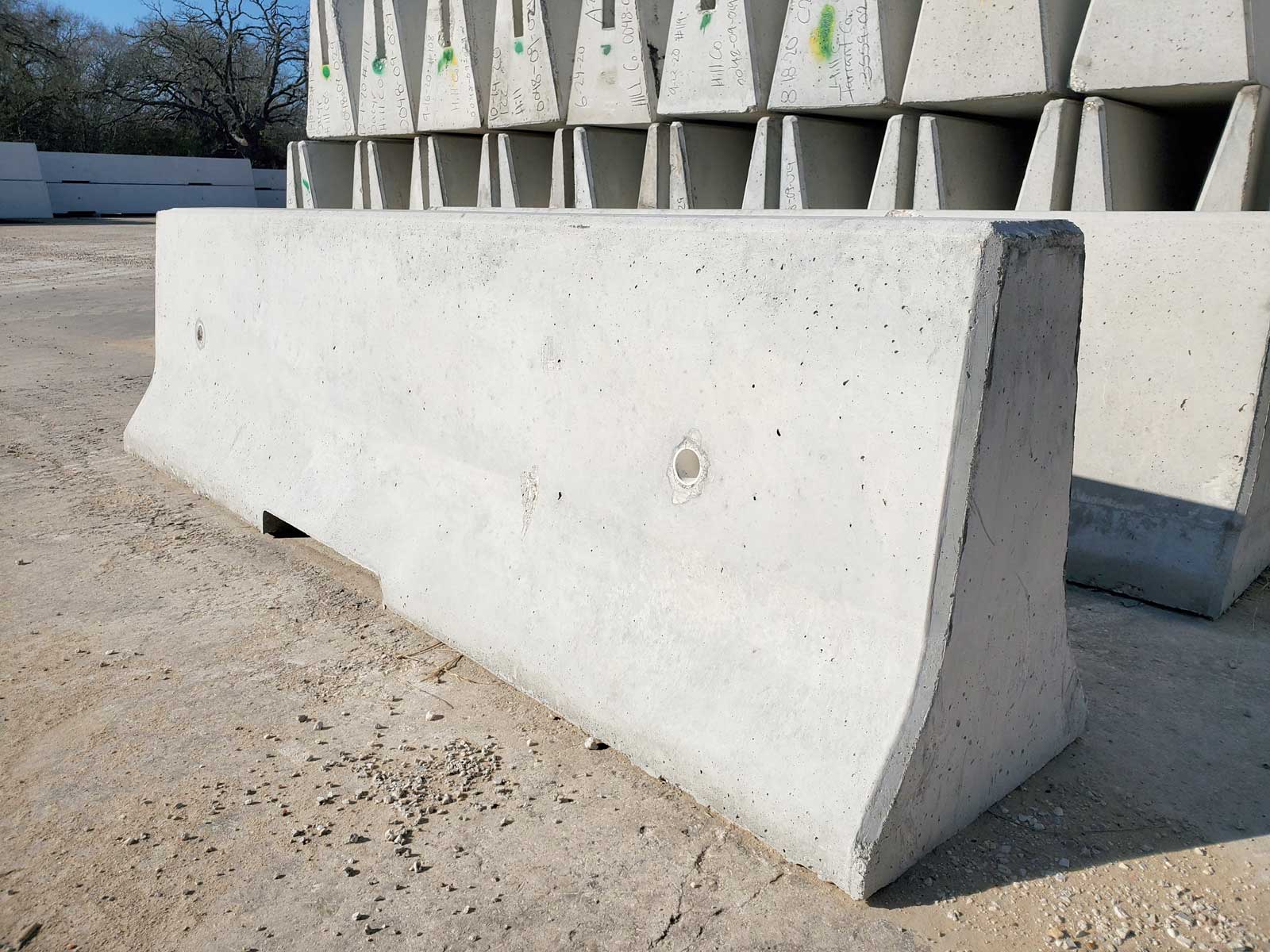
The primary advantage of precast elements lies in the controlled factory environment, which eliminates the variability of on-site weather and soil conditions. By managing the curing and reinforcement process indoors, manufacturers produce dense, uniform units that resist the relentless pressure of shifting soil and the harsh stress of freeze-thaw cycles. This consistency ensures that retaining walls and highway barriers perform predictably over decades, whereas site-poured concrete remains vulnerable to local environmental fluctuations.
Installation efficiency serves as a critical economic driver for municipalities. Because components arrive at the job site fully cured, contractors utilize cranes to set them immediately, drastically reducing lane closures and labor hours. This modularity also simplifies long-term maintenance; if a highway barrier suffers impact damage, crews can replace individual sections without reconstructing the entire span. Beyond functionality, the technology offers design versatility, allowing panels to incorporate textures that blend with natural landscapes, effectively balancing heavy-duty performance with aesthetic requirements. By prioritizing factory precision, engineers minimize waste and lower the total cost of ownership for essential transportation networks.


Comments (0)
No comments yet. Be the first!