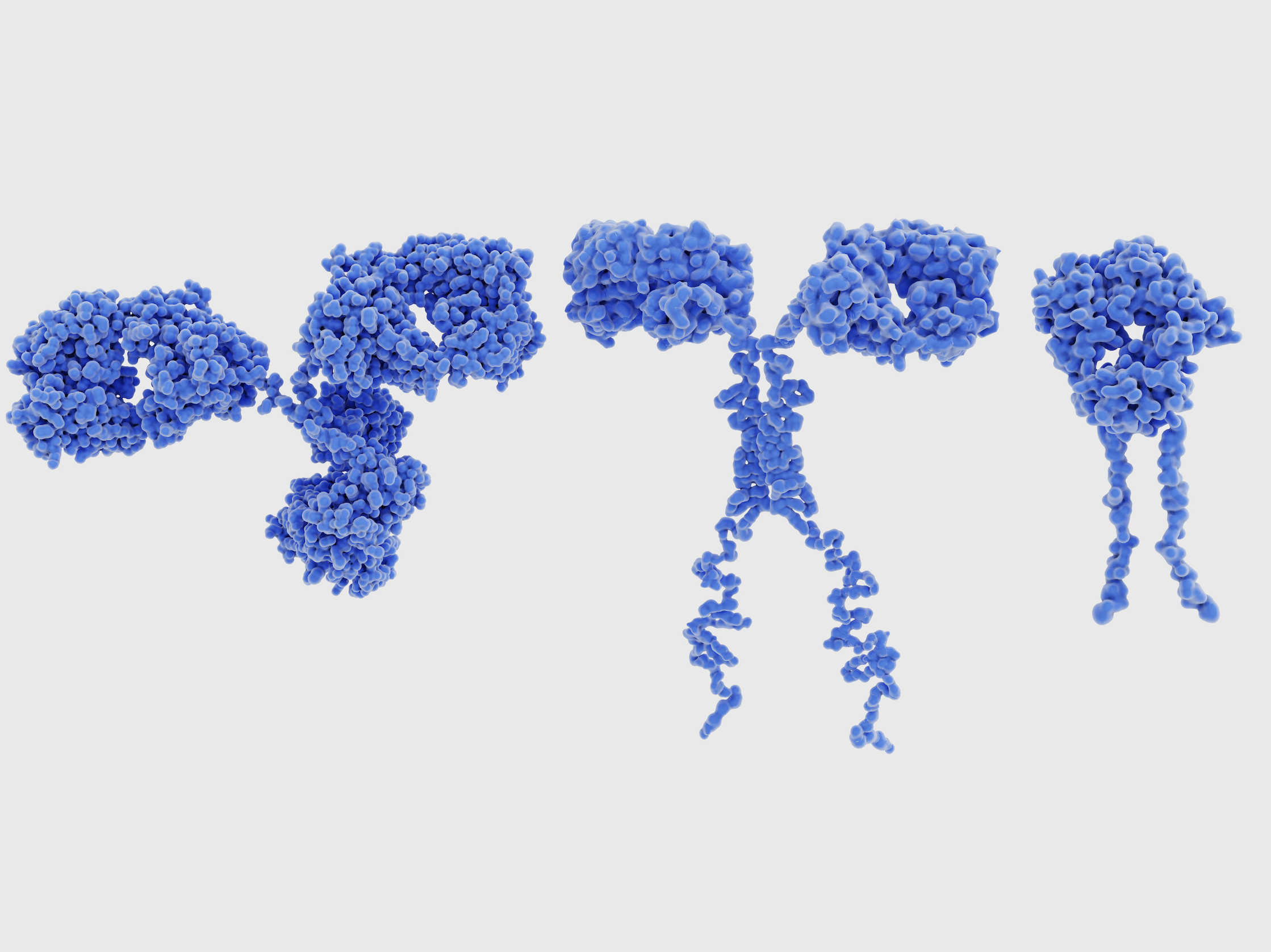
The presentation highlighted a proprietary screening strategy that effectively distinguishes the CLDN18.2 target from the closely related CLDN18.1 protein. By refining this selectivity, Tsingke aims to accelerate the development of safer therapeutic candidates, including antibody-drug conjugates. According to Chuanting Tan, a senior R&D engineer at the company, bridging the gap between computational prediction and laboratory validation is essential for managing the rising complexity of modern biologics.
Beyond its specific research on CLDN18.2, the company showcased its end-to-end development platform at the symposium. This infrastructure supports various stages of the biologics pipeline, ranging from discovery methods like phage display and single B-cell technology to antibody engineering and protein expression. With six distinct expression systems, the platform provides a rapid gene-to-protein workflow intended to streamline projects from initial target identification through to final characterization.



Comments (0)
No comments yet. Be the first!