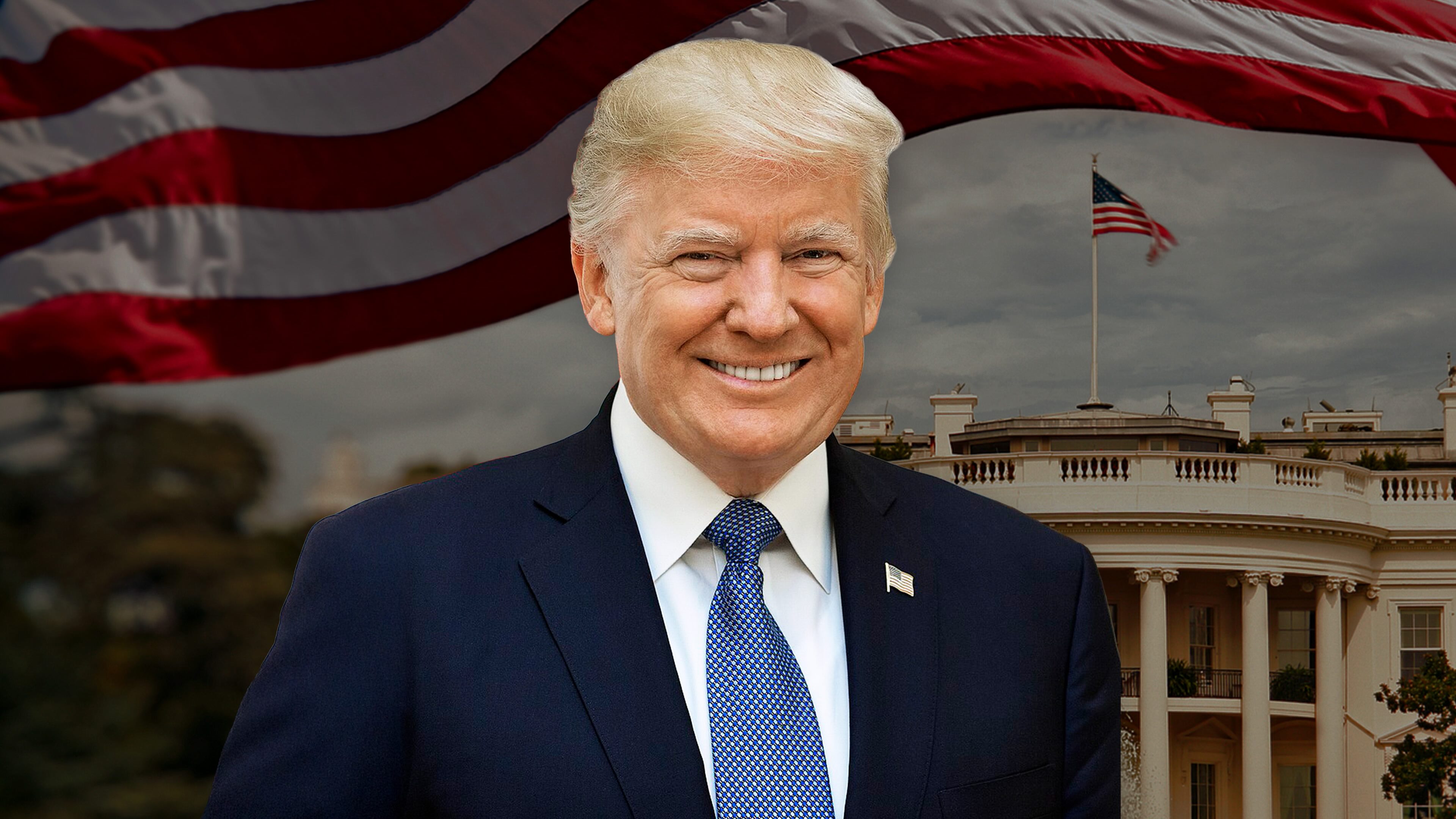
The Department of Education has begun notifying participants that their current income-driven repayment status is ending. For the 4.5 million borrowers who previously qualified for zero-dollar monthly payments, the shift to the Standard Plan represents a significant financial blow. Unlike the income-linked structure of the defunct SAVE program, the Standard Plan requires fixed payments over a 10-year term, which could increase monthly obligations by more than $300 for many.
Transitioning to a new plan is fraught with administrative friction. The Department of Education currently processes roughly 250,000 forms per month, creating a backlog that leaves many applicants waiting months for a response. Experts warn that the forced migration, combined with existing processing delays, could trigger a surge in defaults. A report from the Century Foundation and Protect Borrowers indicates that student loan delinquency rates have already climbed to 25% during the current administration, with nearly 9 million borrowers currently in default.
Sen. Elizabeth Warren (D-Mass.) characterized the move as an escalation of the existing affordability crisis, stating, "Trump is killing a plan that lowers student loan costs. It's shameful." Beyond the immediate impact on student debt, the administration’s policy adds to broader economic pressures, including rising fuel and consumer costs linked to recent tariff shifts and geopolitical instability. If the current trajectory continues, analysts estimate the number of borrowers in financial distress could reach 17 million, potentially dragging millions more into subprime credit territory.



Comments (0)
No comments yet. Be the first!